


 Cathie Wood Backs AI Slowdown as Safety Concerns Grow
  Databricks to Invest $350 Million in Singapore AI Expansion
  Texas Republicans Turn Against AI Data Centers as Election Backlash Grows
  U.S. Imposes New Visa Restrictions Over South Africa Policies
  Australia Plans New Rules Giving Users Control Over Social Media Feeds
  Qualcomm Gains on $60B Amazon AI Chip Deal
  BHP Port Hedland Wage Dispute Heads to Arbitration
  Australia Tightens Student Visa Rules, Targets Migration Cut by 2028
  Trump Grants Clemency to Jay-Z Associate Emory Jones
  Japan, U.S. Discuss $19 Billion GlobalFoundries Chip Plant
  LVMH-Hermès Dispute Deepens Over Secret 2002 Share Deal
  Nvidia CEO Jensen Huang Expected at Trump-Xi State Dinner
  Ovechkin Faces Scrutiny Over United Russia Campaign Video
  SEC Seeks ISS Client Voting Records in Proxy Adviser Probe
  Synthetic data could ease people’s concerns about privacy breaches. But who gets to create it?
  Countries Tighten Social Media Bans for Children
  US Resumes Immigrant Visa Processing for Hungary, Poland


 Add as a preferred source on Google
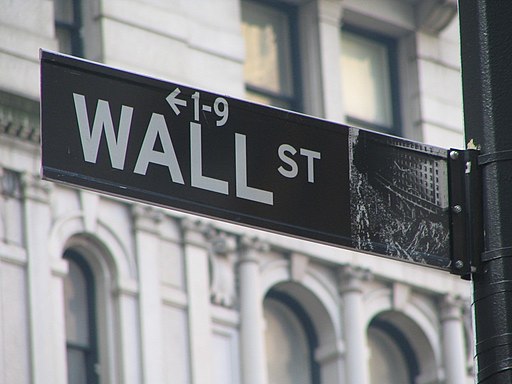
U.S. President Donald Trump on Tuesday evening signed a new executive order designed to curb Wall Street investors from buying and speculating on single-family homes, a move aimed at improving housing affordability and expanding homeownership opportunities for American families. The executive order directs the Treasury Department and the president’s economic advisors to develop an implementation framework within 60 days, signaling a significant shift in U.S. housing policy.
According to Trump, the measure seeks to preserve the supply of single-family homes for individual buyers rather than large institutional investors. He emphasized that rising home prices and limited inventory have made it increasingly difficult for middle-class and first-time buyers to enter the housing market. The order also instructs the Department of Justice and the Federal Trade Commission to closely review any “substantial acquisitions” of single-family homes by major investors, increasing regulatory scrutiny on large-scale purchases.
The announcement comes amid heightened voter concerns over the rising cost of living, housing affordability, and high mortgage rates. With mid-term elections approaching, the administration appears focused on addressing economic issues that resonate strongly with American households. Housing affordability has become a central political issue as home prices remain elevated and borrowing costs stay high.
Earlier this month, Trump also directed mortgage finance giants Fannie Mae and Freddie Mac to purchase $200 billion in mortgage-backed securities, a move intended to lower mortgage rates and ease pressure on home prices. Together, these actions reflect a broader effort by the administration to stabilize the housing market and support individual homebuyers.
Since the 2008 financial crisis, Wall Street firms such as Blackstone Inc. and American Homes 4 Rent have acquired thousands of single-family homes, capitalizing on foreclosure-driven supply. This trend has drawn criticism from voters and Democratic lawmakers, who argue that corporate homeownership has reduced inventory for families and driven up prices. Despite multiple attempts, Democrats have so far failed to pass legislation limiting corporate ownership of residential properties.
The executive order marks one of the strongest federal actions to date targeting institutional investment in housing, underscoring the administration’s stance that single-family homes should primarily serve American families rather than financial speculation.







