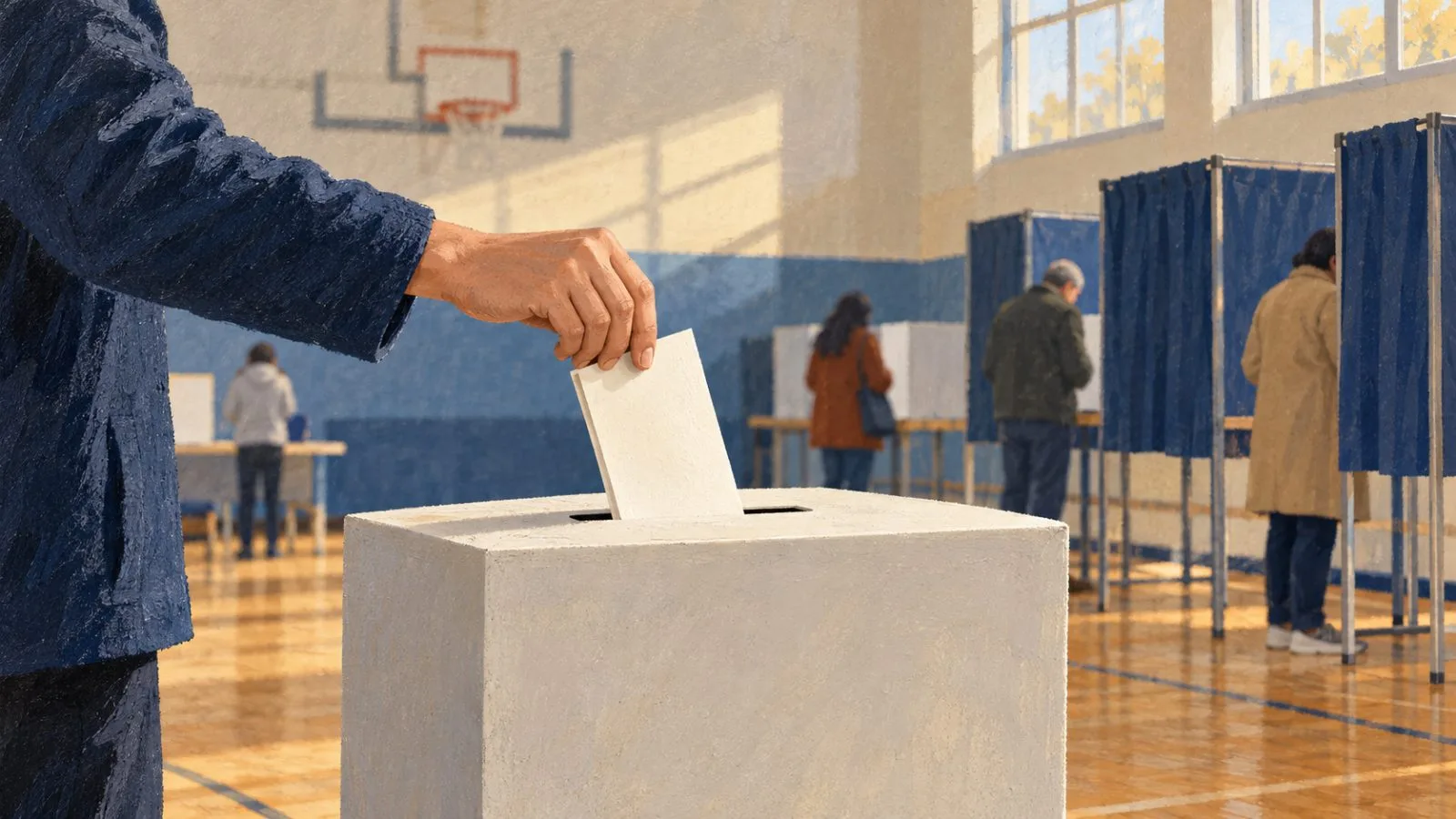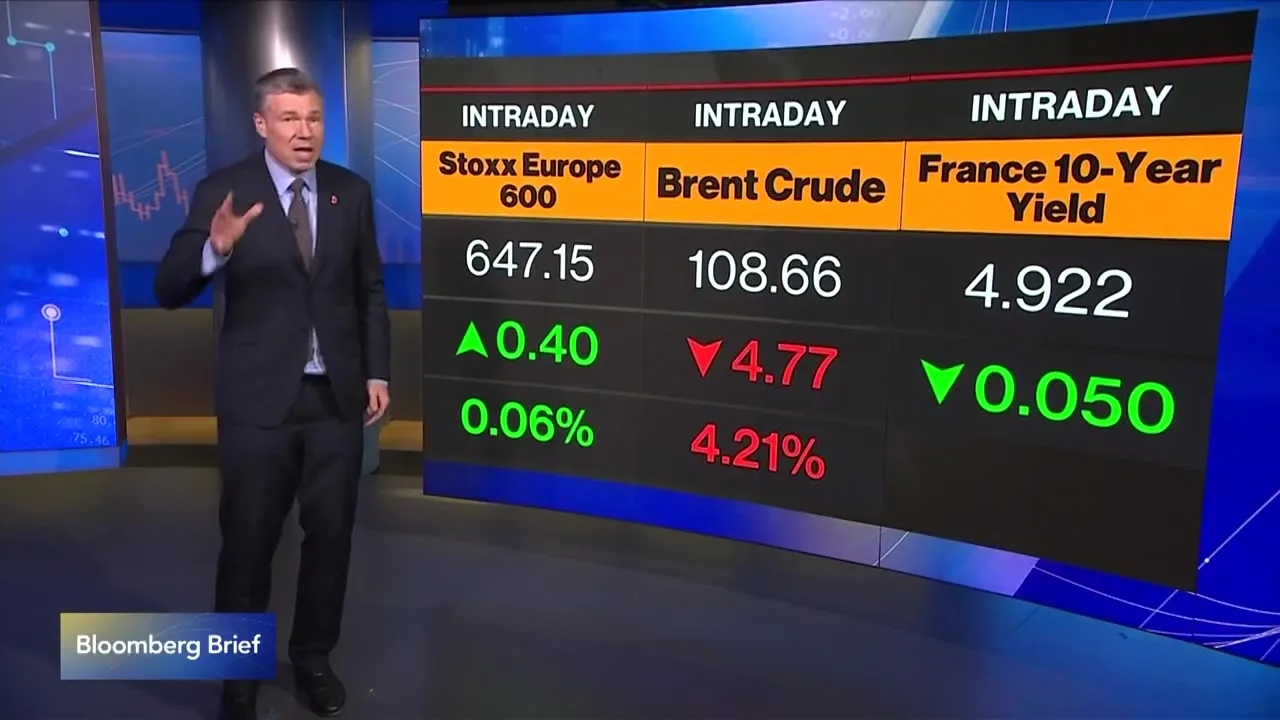
Donald Trump is likely to focus more on foreign policy after U.S. midterm elections produce divided government, Anna Rosenberg, head of geopolitics at Amundi Investment Institute, said.
Domestic policy would face gridlock, though its extent would depend on the election result. Control of the Senate remained uncertain, leaving open how much room the president would have to pursue his agenda.
“The Senate is a tossup,” Rosenberg said in an interview on Bloomberg Television's Bloomberg Brief, published Nov. 2. “At this point, let's wait and see how this plays out.”
Recent diplomatic activity appeared directed toward the elections. That included greater attention to Ukraine, progress toward a trade agreement with Canada and another opportunity for talks with Iran.
Diplomacy in the Gulf had intensified, with China also becoming involved. At the same time, a buildup of troops and military forces in the Middle East complicated the picture ahead of Tuesday's vote.
“I am very skeptical,” Rosenberg said when asked whether the renewed diplomatic effort justified confidence about the prospects for an agreement. Trump had repeatedly accused Iran of wanting him to lose the midterm elections.
An election defeat could leave the president looking for someone to blame. The political incentive for him to reach an agreement with Iran had also weakened because the opportunity to secure a deal before voters went to the polls had passed.
The strongest political momentum for an agreement had come before the elections. With that moment gone, the question was why Trump would accept the same political cost of making concessions afterward.
Trump had already offered Iran concessions in an earlier memorandum of understanding, an outline of terms for a possible agreement, without securing a deal. He still needed an outcome he could present as a victory.
Iran's divided leadership presented another obstacle. Different groups within its power structure had different motivations, and no single party controlled the decision. An American willingness to reach an agreement would therefore leave the separate problem of securing consensus in Iran.
Economic hardship was intensifying in Iran, increasing concerns within its leadership about unrest at home. In Rosenberg's assessment, those leaders feared a domestic uprising more than war because they could blame the United States for a military conflict.
The interview excerpt ended as Rosenberg discussed that economic hardship. Her remarks left open whether the diplomatic effort would produce an agreement, whether Iran's competing power centres could agree on terms and what Trump would do after the election.