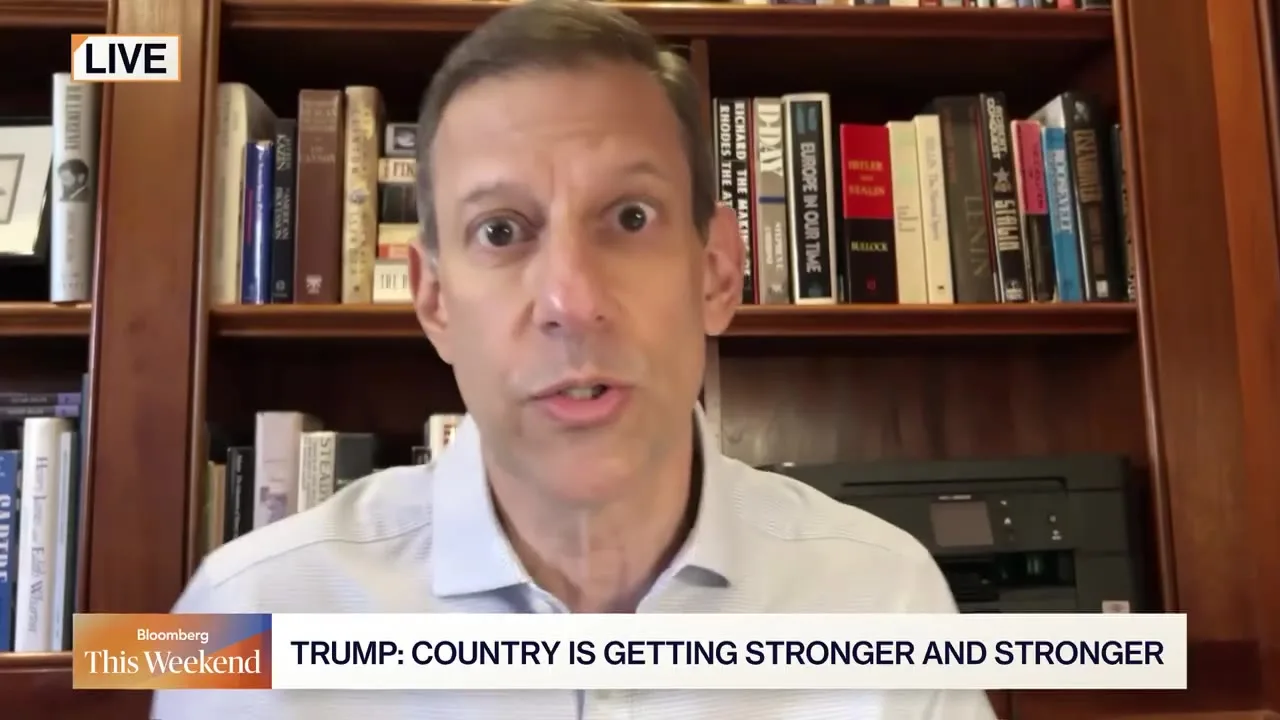
U.S. President Donald Trump has promised $5,000 payments while defending his economic record against complaints about high prices in the final weeks of campaigning, Bloomberg Television reported on Nov. 1.
The promise puts compensation for higher costs alongside Trump's argument that the economy is performing well. He campaigned on bringing prices down, but some Republicans are questioning his handling of the economy.
Bloomberg Television's “Trump Struggles to Sell Voters on the Economy” described his efforts to persuade Republican supporters to vote in the approaching elections. His campaign stops included Alaska, Kansas and repeated visits to Texas.
The concern for Republicans is that dissatisfied supporters will stay home. Trump has been making his economic case in states where the party ordinarily faces less difficulty defending its position.
Trump has argued that the economy is doing well and blamed news coverage for complaints about prices. He has also defended oil and gas companies' earnings while consumers face higher fuel costs.
Alongside the proposed payments, Trump introduced an $8 billion diesel fuel credit for farmers facing higher costs, Bloomberg Television reported. The funding for that credit and the payments was unresolved.
The proposals leave open how the government would finance the assistance and what Congress would approve. The remarks supplied no payment timetable or explanation of who would qualify for the proposed dividend.
Trump called the cost of the payments “a pittance.” His promise offers households financial assistance while his broader message asks voters to accept that the economy is already performing well.
His administration also allowed the use of red-dyed diesel and announced a diesel arrangement with Russia in the campaign's final days. The discussion provided no measured change in fuel prices resulting from either action.
Oil and diesel trade in global markets. The closure of the Strait of Hormuz and disruptions linked to the Iran war form the backdrop to the higher energy costs facing consumers and farmers.
Trump has promised that oil and gasoline prices will fall sharply after the Iran war ends. He began making that argument in early March, when the conflict lasted longer than he had expected.
He initially expected a short operation resembling the intervention in Venezuela, followed by the Iranian government's collapse. The conflict instead continued for months, leaving his promised price relief dependent on an unresolved war.
No date was given for the war's end or the reopening of the strait. The discussion also supplied no timetable for lower global oil prices to reach consumers buying gasoline.