U.S. energy and electricity prices would fall by at least half under a pledge made during the 2024 campaign, Donald Trump, now the U.S. president, said at the time.
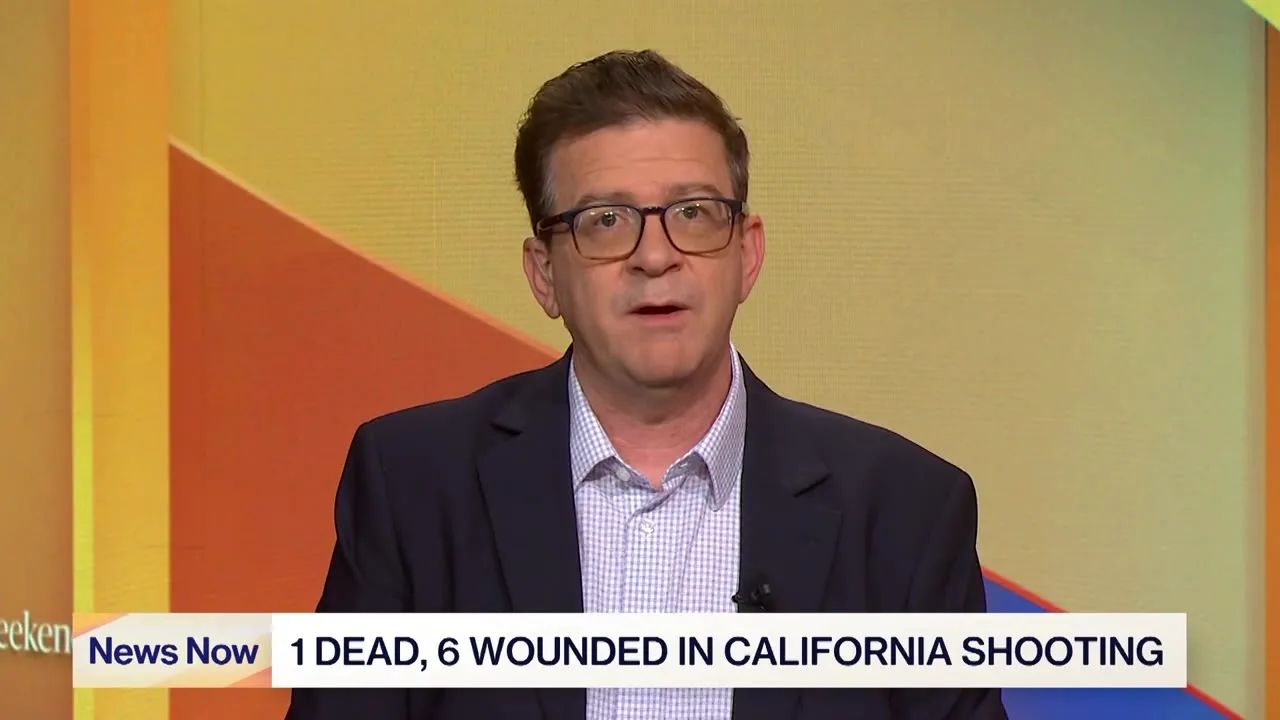
Gasoline and grocery prices and mortgage rates have instead risen since he took office, Bloomberg Television reported on “Bloomberg This Weekend,” published Oct. 31. The cost of living has become an issue for Republicans seeking to retain control of Congress in the midterm elections.
Trump's campaign promises covered everyday purchases, household energy bills and the cost of financing a home. “A vote for Trump means your groceries will be cheaper,” he said in a campaign clip replayed during the broadcast.
He then pledged to cut energy and electricity prices. “Under my leadership, the United States will commit to the ambitious goal of slashing energy and electricity prices by half, at least,” Trump said.
On borrowing costs, Trump promised to bring rates down so people could pay 2% again and finance or refinance their homes at much lower cost. The pledge offered relief both to prospective buyers and to homeowners seeking to replace an existing loan.
The war with Iran has since pushed up oil and gasoline prices. Voters interviewed for Bloomberg's coverage linked higher costs to Trump's decisions on the war and tariffs, the taxes imposed on imported goods.
Michigan and Iowa illustrate different parts of that strain. Michigan saw one of the largest shifts among young voters toward Trump in 2024, but voters there now express concern about gasoline prices. Refinery outages in the upper Midwest have added to those concerns.
In Iowa, higher diesel prices have coincided with the harvest season. China has not bought all the agricultural goods it committed to purchasing after retaliating against Trump's initial tariffs. The tariffs have also increased the cost of farm machinery.
Trump has reduced some tariffs on Canadian exports, providing an opening for Maine Senator Susan Collins to promote relief in a state that relies heavily on heating oil. Those changes have done little to lower actual prices so far.
Affordability has also influenced some voters who backed Trump in 2024. Jose Luis Borrego Jr., a Texas voter who previously supported Joe Biden before switching to Trump, intended to vote for Democratic Senate candidate James Talarico this year.
A Democratic victory in either chamber would give the party influence over federal spending. Passing legislation would still require negotiations with Trump, who holds veto power. Control of Congress would therefore leave open how far Democrats could change his policies on tariffs and war.