South Africa’s City of Tshwane has limited tap water near Pretoria to toilet flushing after 408 illness cases, as officials investigate treatment failures and a delayed public warning.
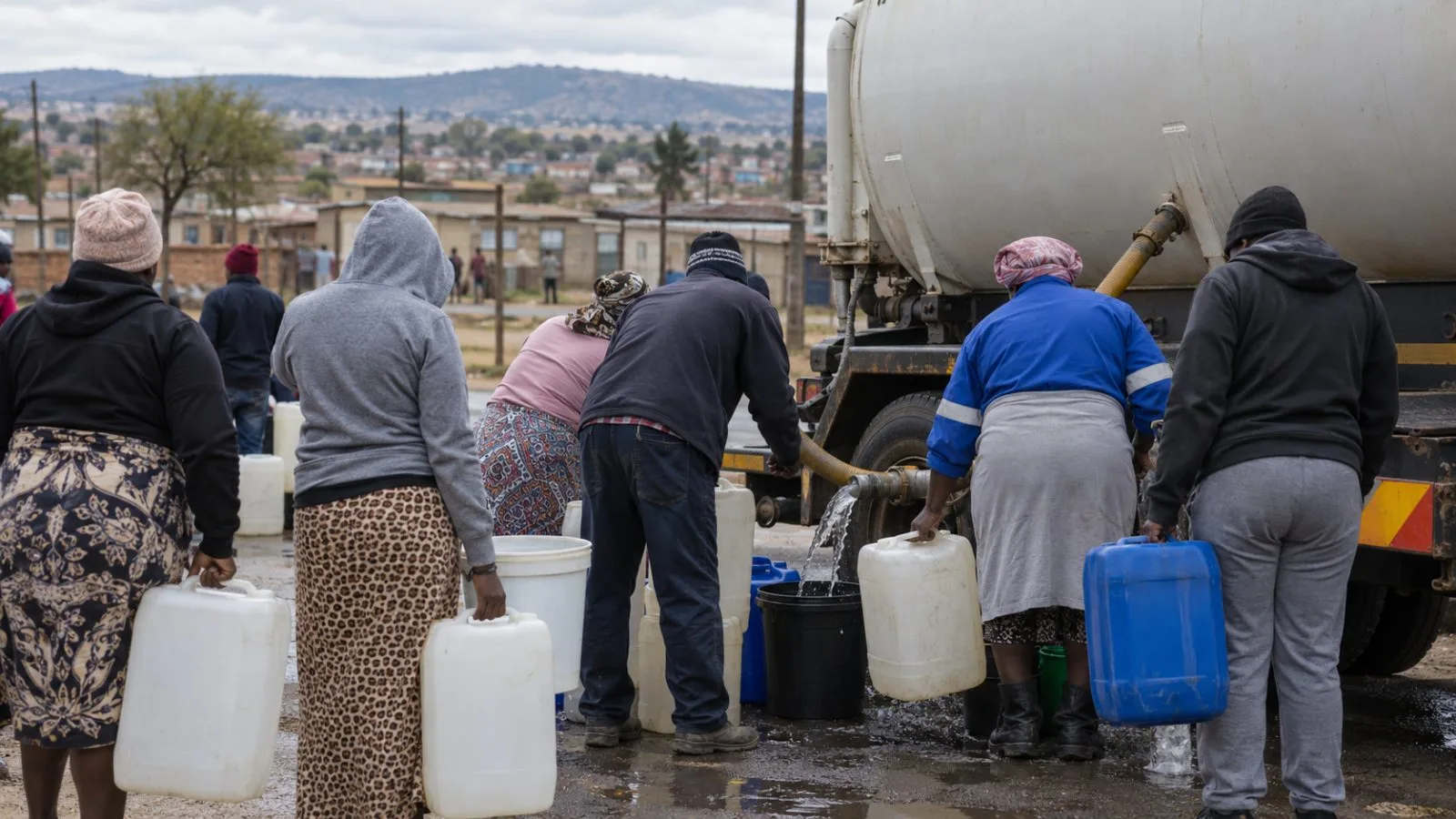
The restriction covers Bronkhorstspruit and surrounding communities, including areas supplied across the municipal boundary. The city announced the measure Oct. 20 and is delivering free drinking water by tanker. It aims to provide at least 15 liters per person each day.
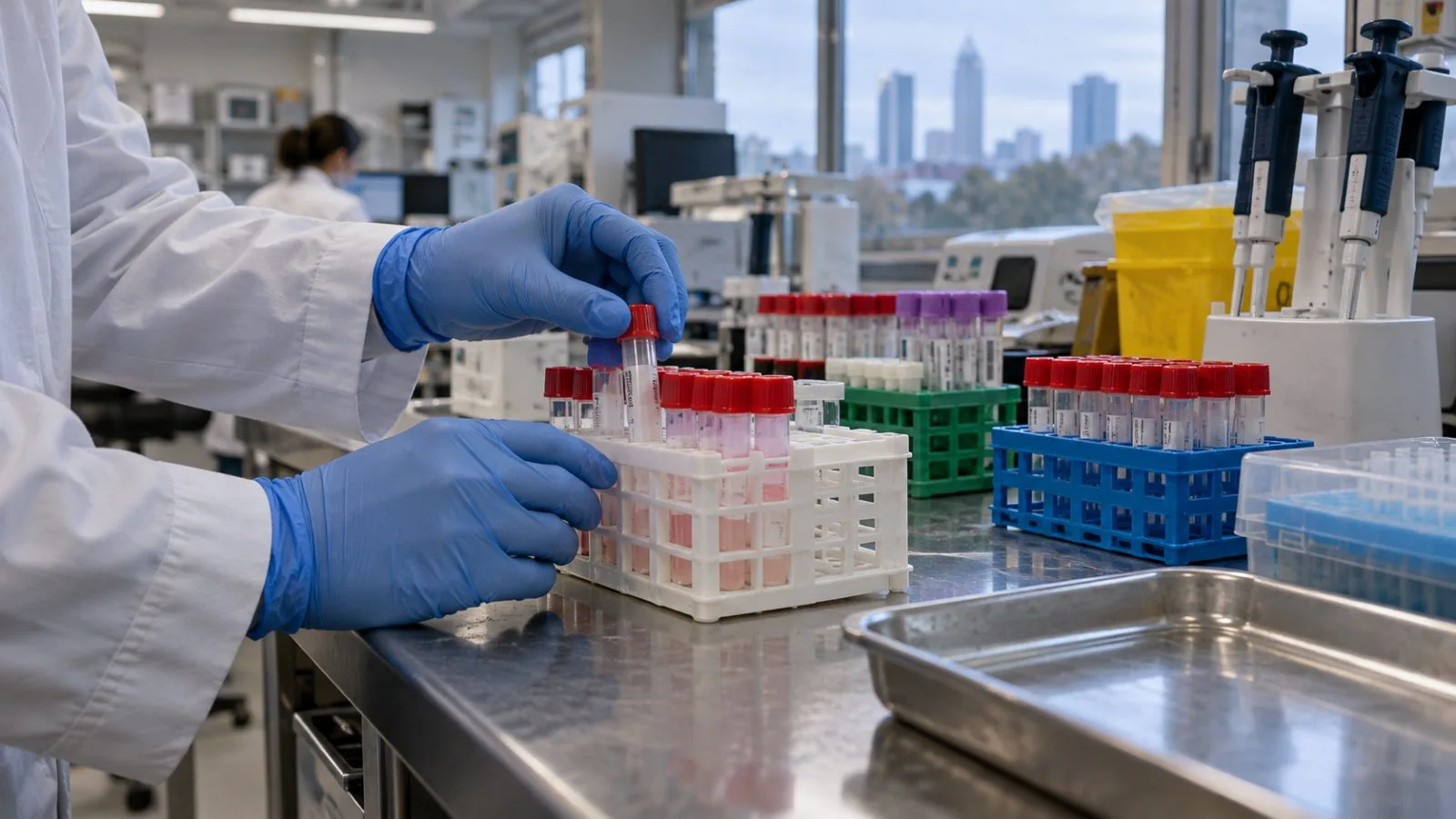
A joint government statement counted 408 cases of gastrointestinal illness from Oct. 7 to 18. Most patients were younger than four. Water tests found high levels of E. coli and other bacteria, and officials identified the contaminated supply as the likely source of the illnesses. The Health Department said no cholera bacteria were found in sampled stool specimens.
Problems obtaining chlorine meant the Bronkhorstspruit treatment plant sent out water without chlorination from Sept. 24 through Oct. 14, the statement said. The joint statement said the plant draws from a river polluted by malfunctioning wastewater facilities and sewage pumps. The joint statement also identified faulty equipment at the treatment plant.
The joint government statement instructed residents not to use the affected water even after boiling it. Under the city’s advisory, the tap water may be used only to flush toilets. Chlorine supplies have been restored, but authorities have given no date for lifting the restriction.
The Department of Water and Sanitation said its investigation found that Tshwane did not warn residents during the chlorination lapse. Tshwane Executive Mayor Nasiphi Moya accepted political responsibility for the city’s response to the crisis and tasked its chief operations officer with investigating why residents were not warned.
The warning comes ahead of South Africa’s local government elections on Nov. 4. Independent water-test results were expected starting Oct. 21, and the report from a Water Research Commission investigation is due by Oct. 28.