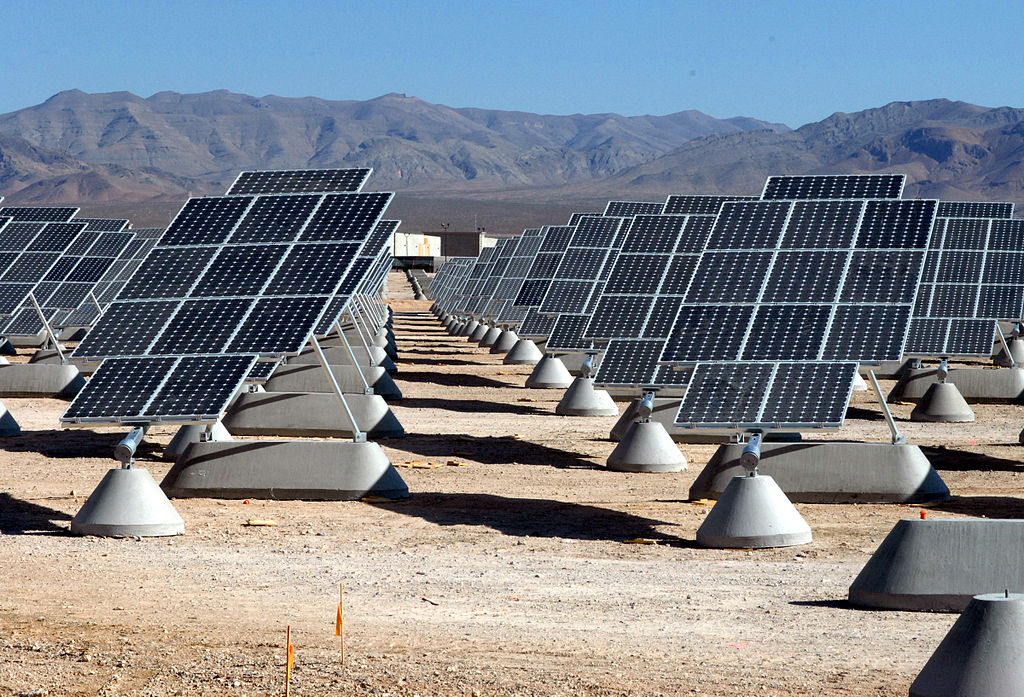
The efficiency of conversion by current, synthetic solar cells is one of the biggest weaknesses of solar power that opponents of green energy bring up. Right now, 20 percent conversion is the best that engineers have been able to achieve. Thanks to two separate breakthroughs, however, solar cell efficiency might just get a huge boost.
One of the methods discovered is changing the interactions between chemical and physical features of organic solar cells involving electron donating materials (P3HT) and electron accepting material (ICBA). This particular solution to solar conversion efficiency was discovered by a team of researchers spanning different countries and universities as part of the SMARTONICS initiative, Phys.org reports.
The results of the mixture, when tweaked a bit, is an improvement to efficiency by 6.7%. This is a significant jump from the 2.2% that the researchers were able to achieve with past P3HT blends.
The other exciting development in solar cell efficiency is the discovery made by Nathan Gabor. Gabor is a physicist at the University of California, but he decided to delve into organic solar cells because of the mystery surrounding the green pigments of plants. In his quest to find how why plants have the color that they do, he was able to adopt their method of efficiently converting solar energy even when there was limited sunlight.
One of the biggest obstacles that scientists have had to deal with pertaining to solar energy is the fact that the sun is not shining all the time. When it does, it shines in different places unevenly, which makes the collection and conversion of solar energy challenging.
However, plants have evolved to become particularly adept at catching even limited sunlight for photosynthesis. This is what Gabor and his colleagues based their new photocell on, which is great for manipulating energy flow among solar cells.