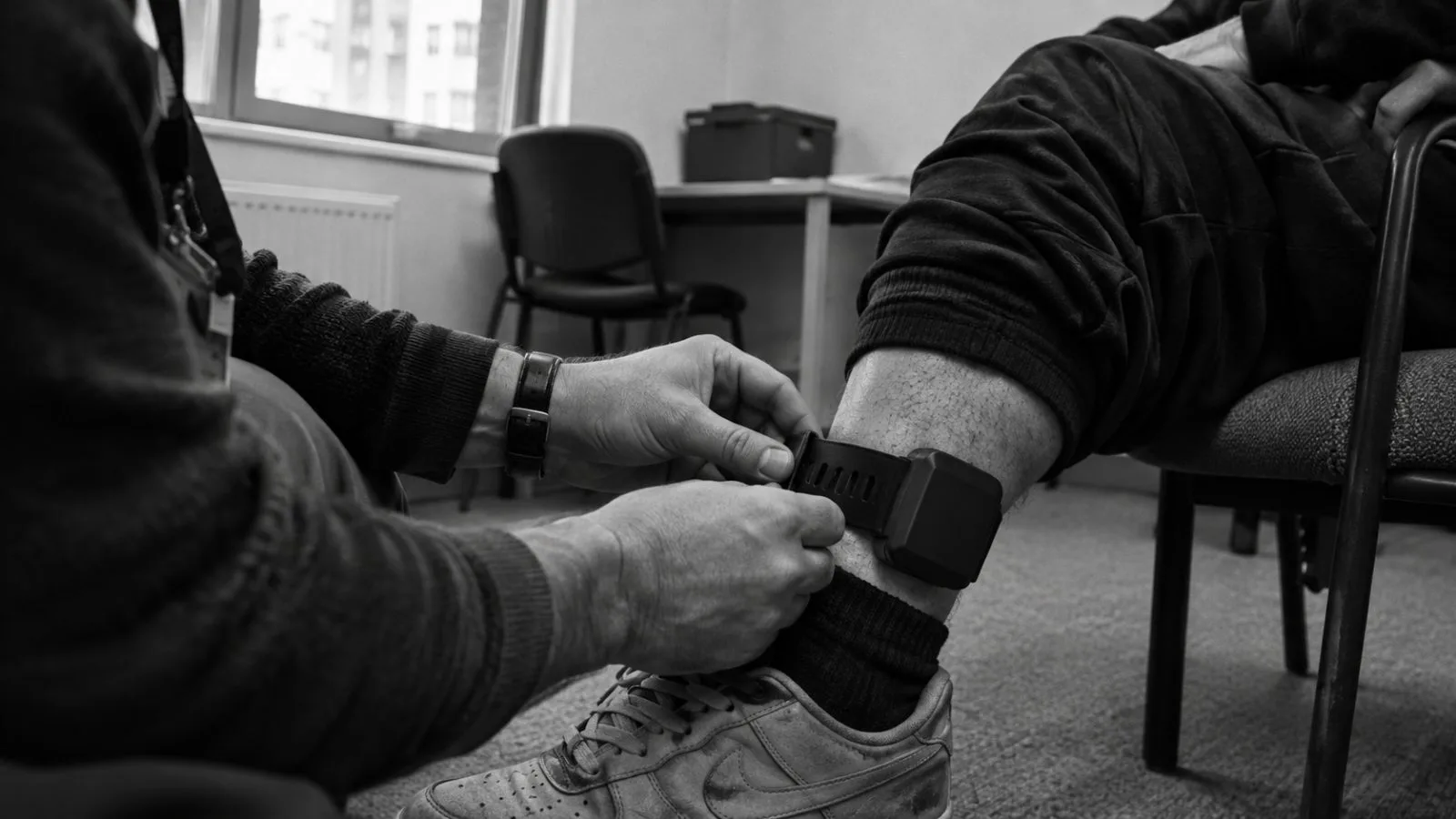
A U.K. inspection found electronic monitoring was often delayed after it was required, raising questions about victim safety and the reliability of conditions imposed on people released from custody.
A report published Oct. 29 by HM Inspectorate of Probation and HM Inspectorate of Constabulary and Fire & Rescue Services found delays in fitting tags. Among the 180 cases inspected, inspectors judged that only 55% of GPS and radio-frequency tags were fitted promptly. About one in five people waited more than two weeks. In nearly one in 10 cases, equipment had not been assigned as late as five months after monitoring was required.
Inspectors cited missed appointments and errors or omissions in setting up monitoring. Communication problems and fragmented systems also contributed. Contract targets could be met based on installation attempts, even when a tag was not successfully activated. The report said people awaiting installation may have to remain at home for extended periods, and that weaknesses identified in a 2022 inspection persisted.
The Guardian reported that Michelle, 38, said her former partner was released from prison on Oct. 15 without a promised GPS tag. She told the newspaper that two breaches she reported were followed by separate recalls to prison, each lasting 56 days. Michelle said he punched her in early 2024, then returned the next day, forced his way into her home and threatened her with a knife.
Michelle said the council advised her family to leave their home, and that she and her four children moved into a static caravan. Relatives have stayed there because they fear another attack. “I hardly let my children out,” she told the Guardian. A police liaison officer had told her a GPS tag would be fitted, but Michelle said it had not been installed by the time of the newspaper’s report.
Inspectors found that a pre-release tagging pilot remained active at six prisons during their fieldwork, despite having formally ended. Stakeholders saw fitting tags before release as a way to begin monitoring immediately. The report said broader rollout would require sufficient operational capacity and clear procedures.
The Ministry of Justice told the Guardian it was expanding electronic monitoring and fitting more tags before prisoners leave custody. Serco, the tagging contractor, said it tries to fit devices for everyone required to wear one and reports unsuccessful installations to authorities.
The inspection made 30 recommendations to the National Police Chiefs’ Council lead for electronic monitoring, chief constables, the Ministry of Justice and HM Prison and Probation Service. They are due within 12 months unless otherwise stated.