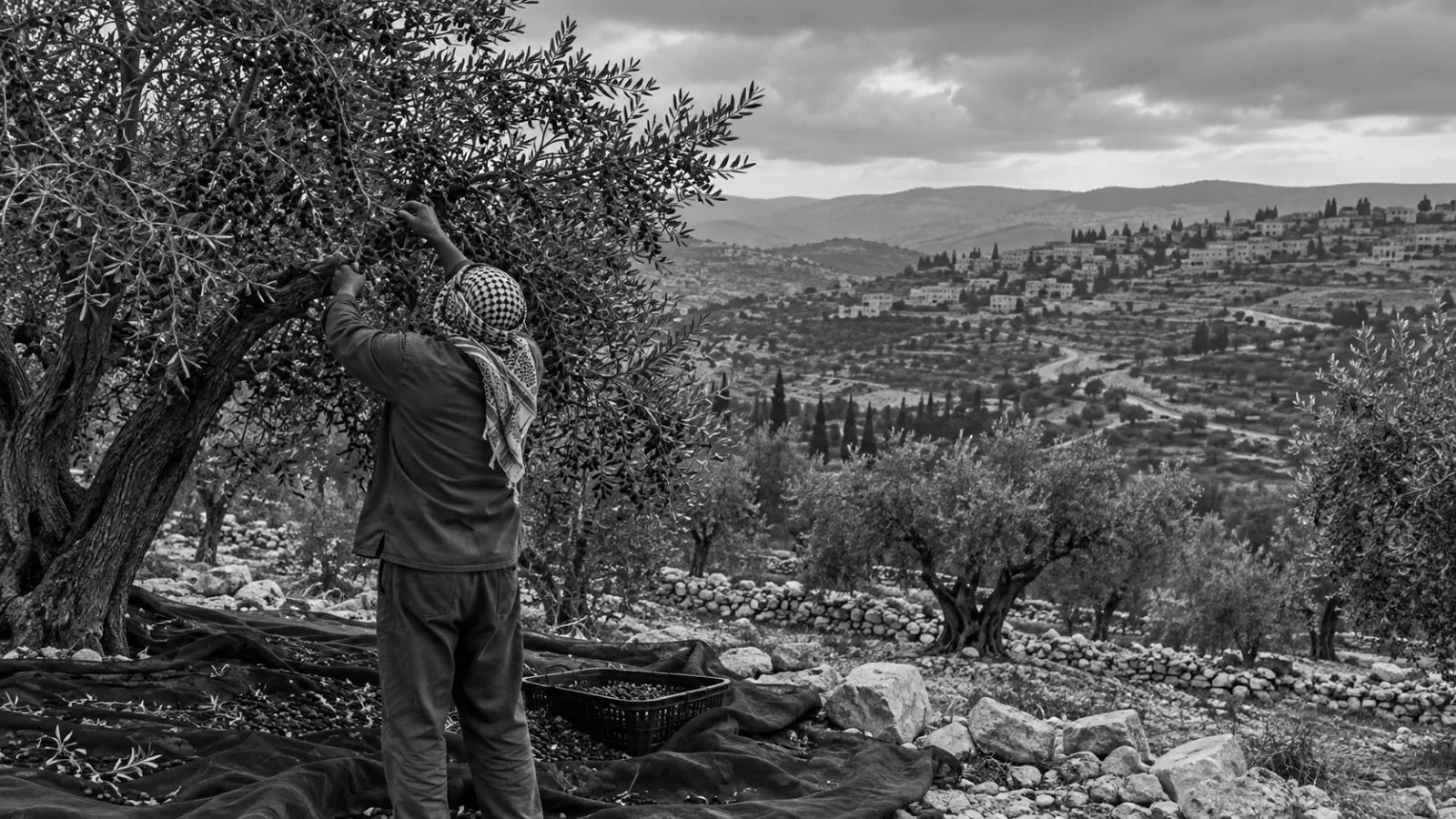
United Nations human rights experts urged Israel to protect Palestinian olive growers as land-clearing orders and limits on access threaten a harvest that supports tens of thousands of families.
The experts said Israeli military orders issued in September affect 339,000 square meters (about 84 acres) of agricultural land in Jenin, Qabatiya and Beit Rima. They described plans to clear vegetation, with provisions that could lead to olive trees being uprooted. The experts said landowners had little time to remove growth or challenge the orders.
They also said prior-coordination permits had been withheld or revoked in areas where farmers need advance approval to reach their groves. The experts objected to a policy barring Palestinians from harvesting on land Israel classifies as state land, including groves Palestinians have traditionally worked.
The United Nations Office for the Coordination of Humanitarian Affairs (OCHA) counted 199 settler attacks linked to the harvest between Sept. 1 and Oct. 12. The incidents included one Palestinian death, 124 injuries and damage to more than 2,500 trees and saplings. Of those injured, 92 were hurt by settlers and 32 by Israeli forces in the context of settler attacks, OCHA said. Its tally came three days before the official Oct. 15 harvest opening and mainly covered areas outside the prior-coordination system.
OCHA estimates the harvest provides income for 80,000 to 100,000 Palestinian families. Citing the Palestinian Ministry of Agriculture, the agency said olive oil production could reach 21,000 metric tons in 2026, compared with 7,000 in 2025, if farmers can access and harvest their groves.
The area where prior coordination is required now covers about 88,300 dunums, nearly 30% more than in 2025, Peace Now said. The organization has linked the expansion of these areas to settlement outposts.
Separately, Israel Police said Oct. 19 it arrested 10 suspects in the Binyamin area over suspected involvement in weekend violence. The arrests in a West Bank weekend violence investigation were announced as the harvest proceeds amid concerns about farmers’ access and safety.