A memorandum signed by the United States, Japan and South Korea provides for an Arctic working group, but Japan’s public outline leaves its projects and timetable unspecified.
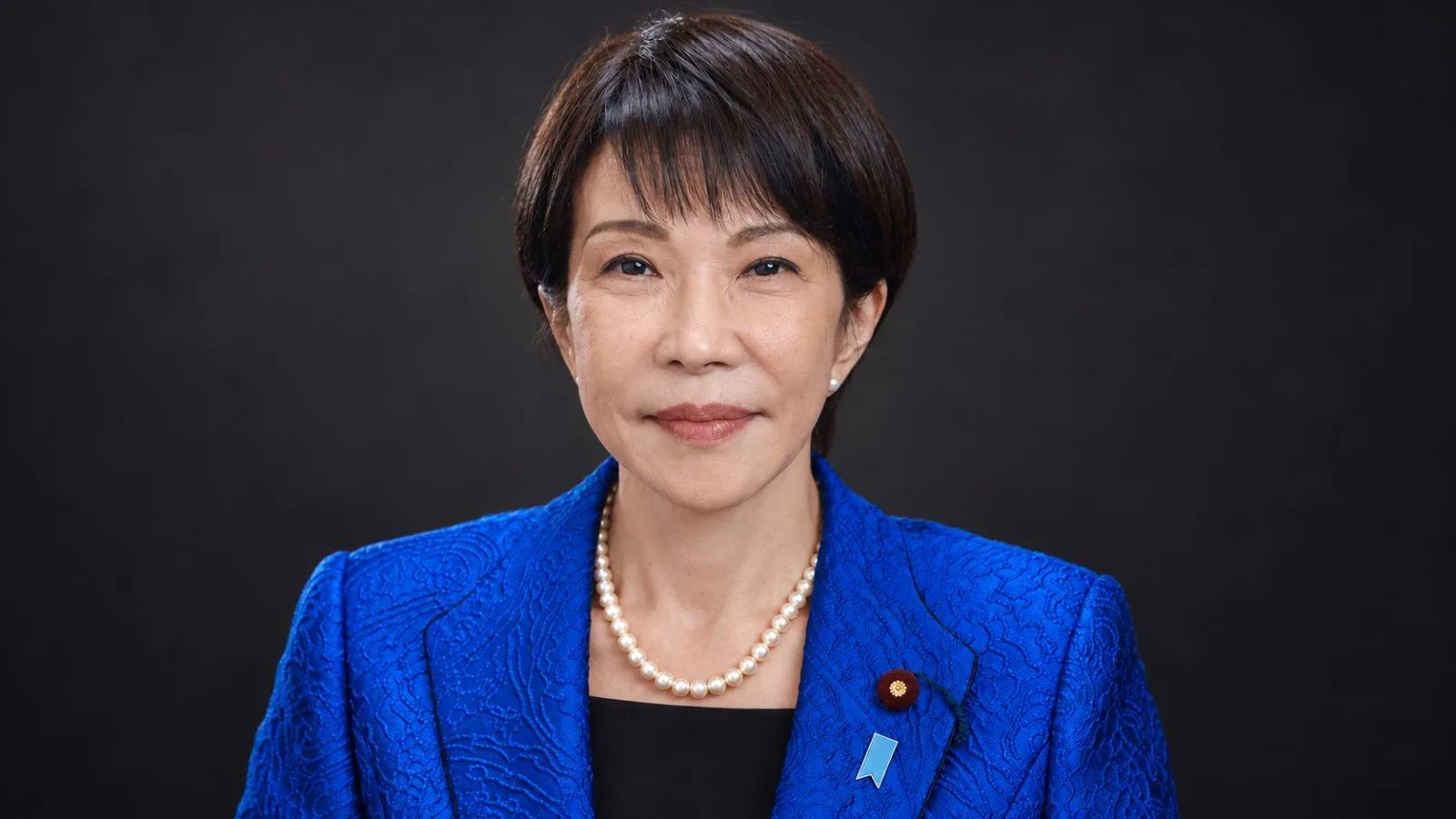
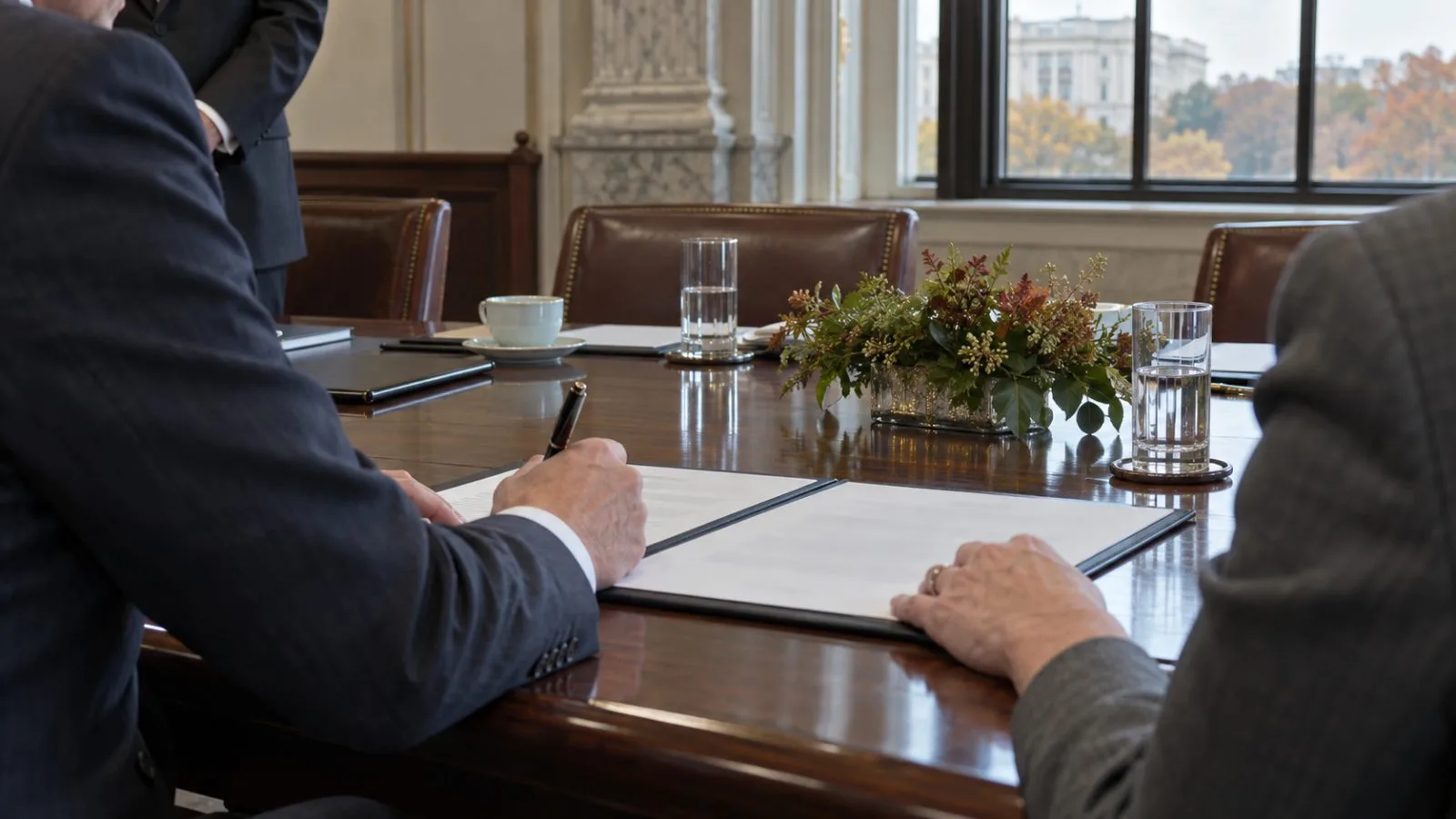
U.S. Secretary of State Marco Rubio, Japanese Foreign Minister Motegi Toshimitsu and South Korean Foreign Minister Cho Hyun signed the Memorandum of Cooperation for the Trilateral Arctic Pacific Partnership (TAPP) in Atlanta on Oct. 30, alongside a Group of 20 foreign ministers gathering. Japan’s Foreign Ministry said their meeting began at 5:05 p.m. ET and lasted about 20 minutes.
The ministry’s public overview says the proposed group would examine ways to coordinate on maritime safety and emergency response, and share information about potential economic partnership opportunities. The State Department describes TAPP’s scope as maritime cooperation and potential commercial ties in the Pacific Arctic. Japan’s overview names no first-meeting date, projects, funding or division of costs, and designates no company or industry as a direct beneficiary.
The governments’ accounts place the signing in broader discussions of regional security, but differ in detail. The U.S. State Department’s readout says Rubio raised concerns about China’s actions in the South China Sea, East China Sea and Yellow Sea, as well as China-Russia cooperation in the Indo-Pacific. Japan’s Foreign Ministry summary refers to pressure to revise regional arrangements through military force or coercion, without identifying China or Russia in that passage. Neither public account describes the Arctic group as targeting either country.
Responsible Statecraft argued that Japan and South Korea bring commercial interests, polar research and maritime expertise to the partnership, while the United States gains another diplomatic channel in the Arctic. The governments’ public descriptions do not give those points as their stated rationale.
Japan’s overview supplies no timeline for the group’s first meeting or work program, leaving its practical agenda to be set out in follow-up.