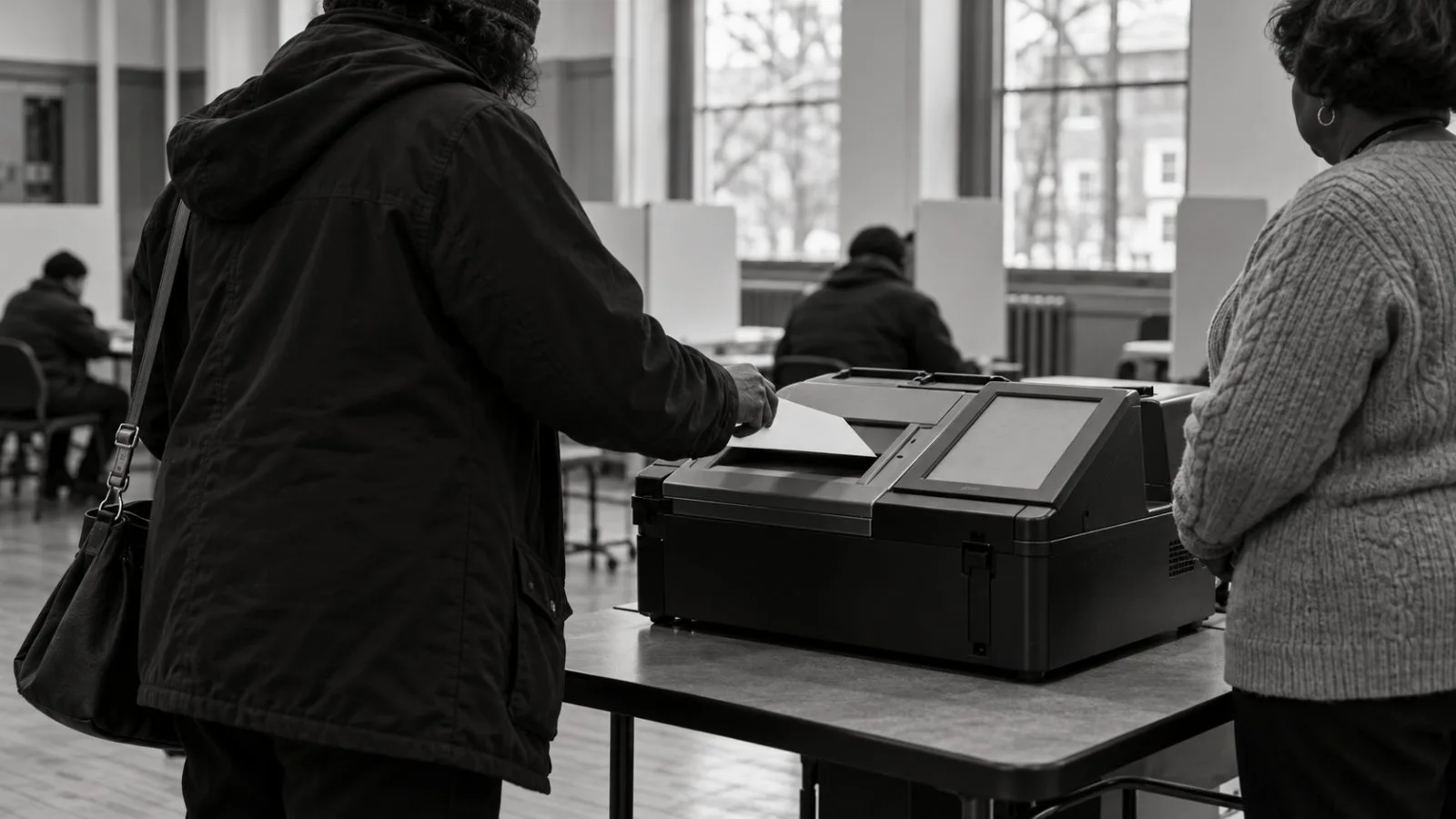
U.S. voters will decide which party controls Congress in Tuesday, Nov. 3, midterm elections, shaping the path for legislation and presidential confirmations during the final two years of the president’s term.
Federal law places Election Day on the Tuesday after the first Monday in November in even-numbered years. The 2026 election covers all 435 voting seats in the House of Representatives and about one-third of the Senate’s 100 seats. House members serve two-year terms; senators serve six years, with their terms staggered across elections. The presidency is not on the ballot. State and local contests may include governors, lawmakers, mayors, judges and ballot measures, depending on where voters live.
House figures show 218 Republicans, 214 Democrats and one independent seated, with two vacancies. Senate records for the 119th Congress list 53 Republicans, 45 Democrats and two independents, both of whom caucus with Democrats.
The party with a majority can choose chamber leaders, influence committee assignments and shape which proposals receive attention. Legislation must pass both chambers before going to the president, and the Senate considers presidential nominees. Senate rules can require 60 votes to end debate on legislation, so a majority alone may not be enough to advance a bill.
Voters’ priorities include issues that Congress may address after the election. In AP-NORC’s survey of 1,119 adults conducted Oct. 8-12, 2026, 80% rated lowering the cost of living among the next Congress’s highest priorities; 68% gave the same rating to ending the war with Iran. The margin of sampling error was plus or minus 3.9 percentage points among all adults. The findings follow earlier EconoTimes coverage of economic concerns in the midterm campaign.
The incoming Congress begins its term Jan. 3, 2027.