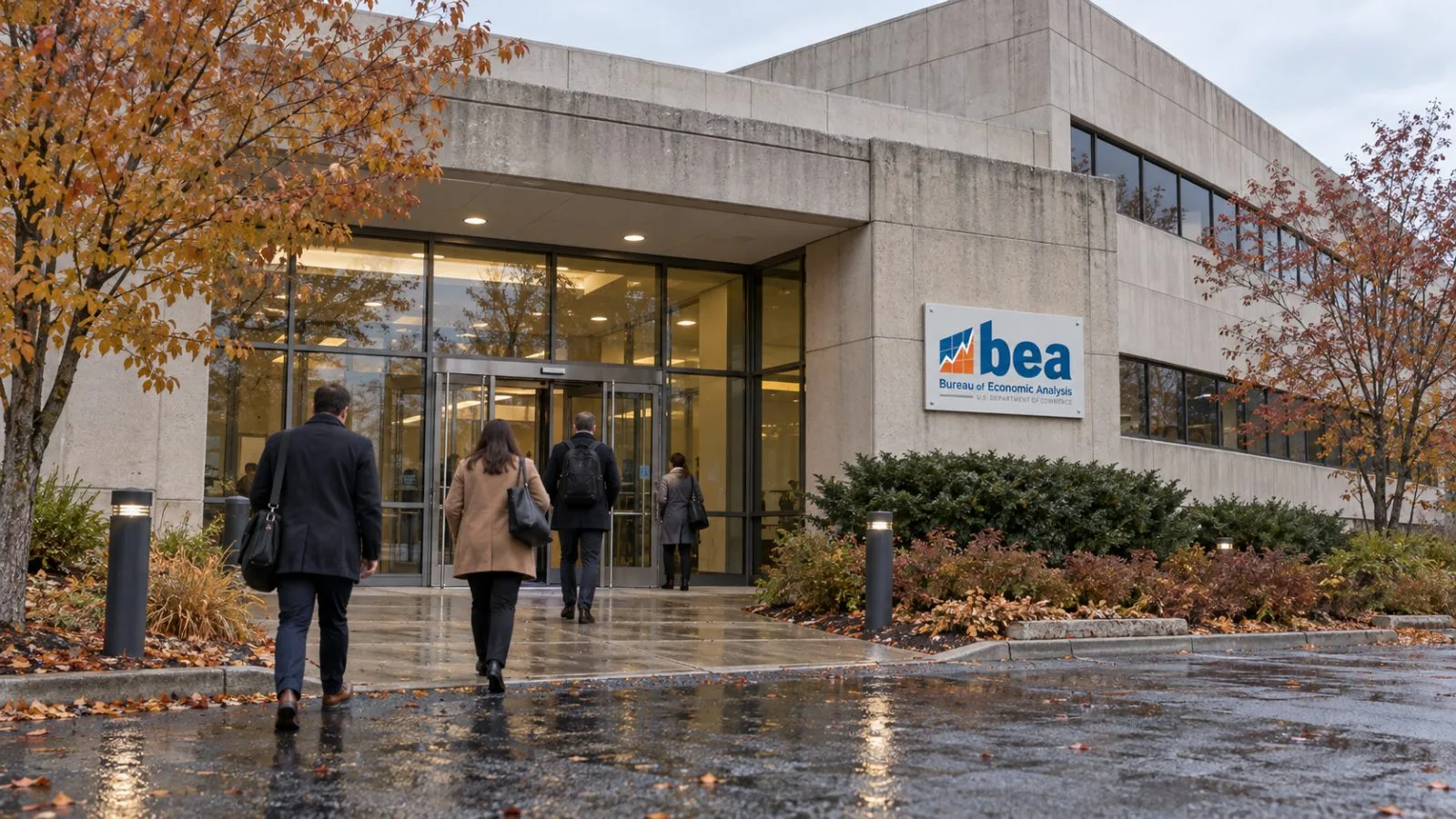
The U.S. Bureau of Economic Analysis (BEA) reported Thursday that its personal consumption expenditures (PCE) price index rose 3.6% over the year through September, while inflation-adjusted consumer spending grew less than 0.1% from August.
The index’s monthly increase was 0.5%, up from 0.3% in August. Its measure excluding food and energy rose 0.3% during September and was 3.1% higher than a year earlier.
Households spent $113.1 billion more at current prices, a 0.5% gain from August. Services accounted for $78.1 billion of the increase, while goods contributed $35.1 billion. After adjusting for price changes, PCE rose $2.6 billion.
Current-dollar measures count spending at the prices paid, while real PCE adjusts for price changes. Current-dollar spending growth slowed from August’s 0.9% increase, and real PCE cooled from a 0.5% gain.
Personal income rose $54.5 billion, or 0.2%, in September. Disposable personal income—income after current taxes—increased $52.7 billion, also 0.2%, but fell 0.3% after inflation. In August, both personal income and disposable income grew 0.3%, while real disposable income was unchanged.
The BEA linked most of the income gain to compensation and government social benefits. Private-sector wages and salaries led the compensation increase, while Medicare accounted for the largest rise in government social benefits.
Personal outlays increased $113.0 billion. It also counts individuals’ interest payments and current transfers. Personal saving totaled $911.1 billion, equal to 3.8% of disposable income.
The BEA also updated July and August income estimates using revised employment data from the U.S. Bureau of Labor Statistics. Its next report, covering October personal income and outlays, is scheduled for Nov. 25 at 8:30 a.m. EST.