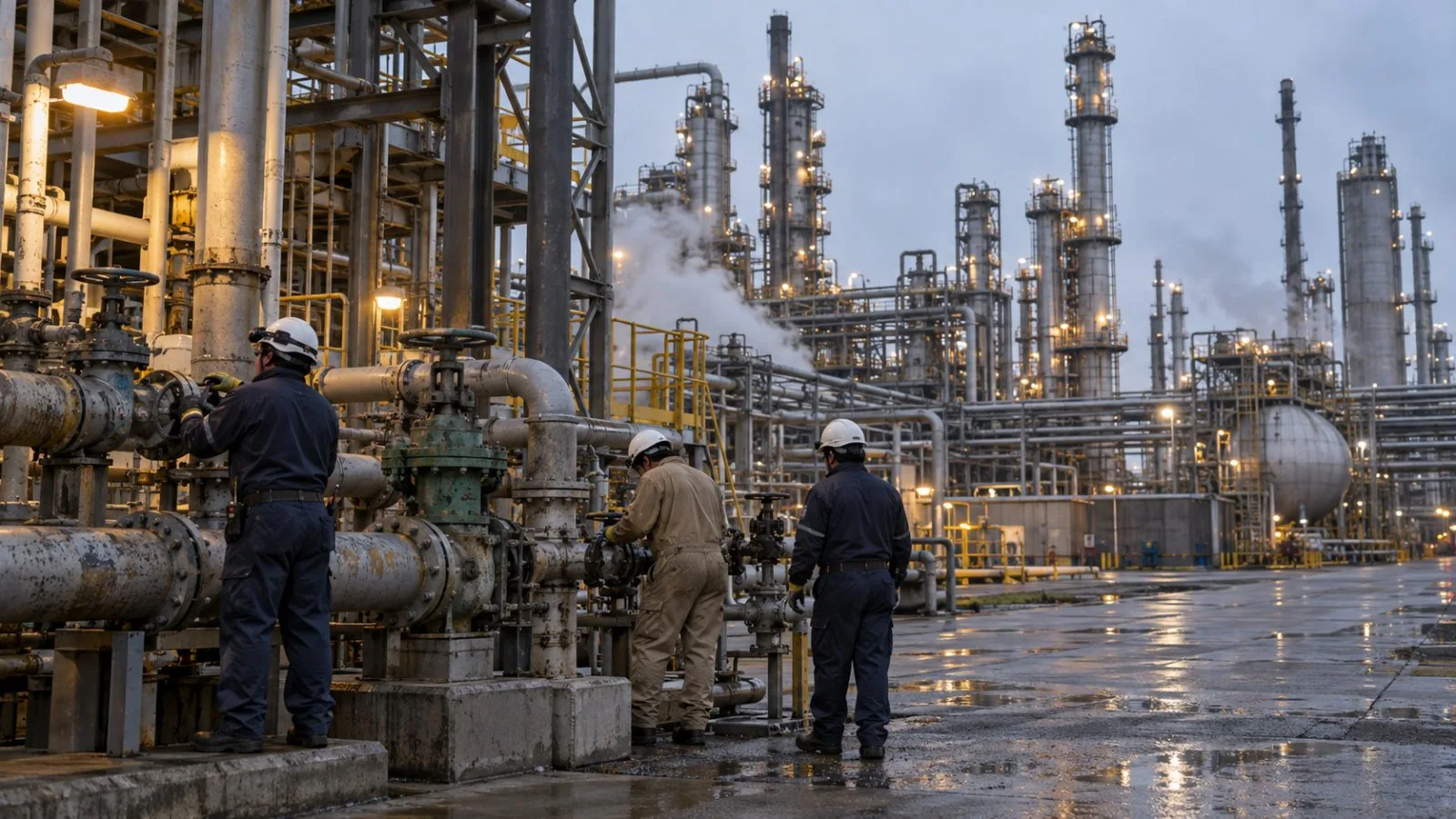
U.S. refineries used more than 95% of available capacity from May through September, the highest rate for those months since 1998, the U.S. Energy Information Administration (EIA) said Thursday.
Utilization measures the share of capacity in use, while total output measures production volume. EIA said refinery output reached its highest level since 2019, with U.S. refining capacity 4% below its 2019 level. A smaller capacity base helps explain why high utilization did not produce a new output record.
Tight global supplies of petroleum products boosted margins, particularly for diesel, giving refiners an incentive to increase operating rates, the agency said. Separately, limited supplies of distillate fuel oil worldwide largely drove the higher runs and strong international demand for U.S. distillate exports.
Seasonal demand also shapes refinery operations. U.S. plants generally increase activity from May through September, when gasoline demand peaks. Refining produces gasoline and distillates together, so the summer increase in gasoline production can also add to distillate inventories before seasonal maintenance. Distillate demand rises in fall and winter, according to EIA.
The agency’s historical data show that utilization has averaged 92% from May through September since 1991, compared with 88% over the other seven months. This year’s rate was above that long-term summer average and marked the highest May-to-September reading since 1998.
Utilization eased from summer levels in the first three weeks of October but stayed above the seasonal average for the same period from 2021 through 2025, EIA said.