U.S. food assistance enrollment fell 13.3% over the year to July, while a new federal law widens work rules for some recipients and shifts more program administration costs to states.
The U.S. Department of Agriculture’s (USDA) SNAP participation table, with data as of Oct. 9, listed 36,087,667 participants in July 2026, compared with 41,603,048 a year earlier. USDA marked the latest figure as preliminary and subject to significant revision. The department’s data page was updated Oct. 20.
Public Law 119-21, known as the One Big Beautiful Bill Act, expands work requirements for covered able-bodied adults. Under the time limit, covered adults ages 18 to 64 who are able to work and are not responsible for a dependent child under 14 may receive SNAP for up to three months in a 36-month period without meeting the requirement; to remain eligible beyond that, they must work at least 20 hours per week, averaged monthly, or participate in a qualifying work program, subject to other statutory exemptions. Previously, it applied to adults ages 18 to 54 without dependents younger than 18.
The Guardian reported that President Donald Trump and other Republicans have presented the changes as a way to encourage employment. A USDA spokesperson told the Guardian that participation changes over time and should not be treated as the result of one policy.
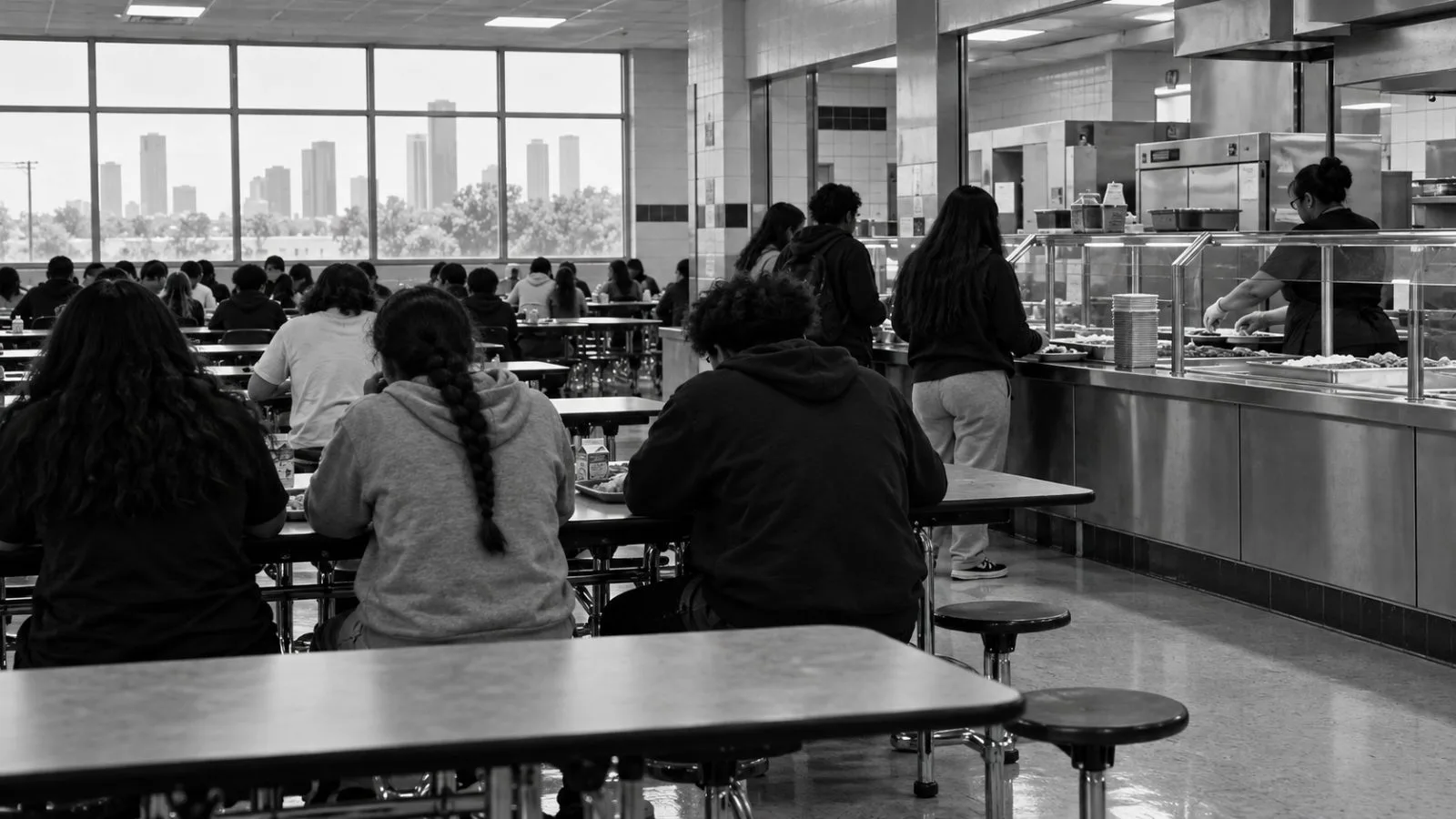
Separately, preliminary USDA data reported by The Washington Post showed the average number of students receiving free lunches fell from 21.3 million in fiscal 2025 to 20.7 million in fiscal 2026. The Post said lower SNAP participation can make it harder for some schools to offer free meals to all students. A Houston school district spokesperson told the Post that 26 schools that had offered free meals to every student under a federal program lost eligibility.
The law also increases states’ share of SNAP administrative costs to 75% from 50%, starting in October 2026, or fiscal 2027. A separate provision assigns states with payment error rates of 6% or higher a share of benefit costs beginning in fiscal 2028, starting October 2027; the share varies by error-rate band, and some states with high rates have delayed implementation. USDA says payment error rates are not a measure of fraud.