Nigeria's upstream petroleum regulator is investigating gas seepage near Bille, where Punch and Premium Times reported 13 wells in the top two risk bands, as findings could affect whether residents need to relocate.
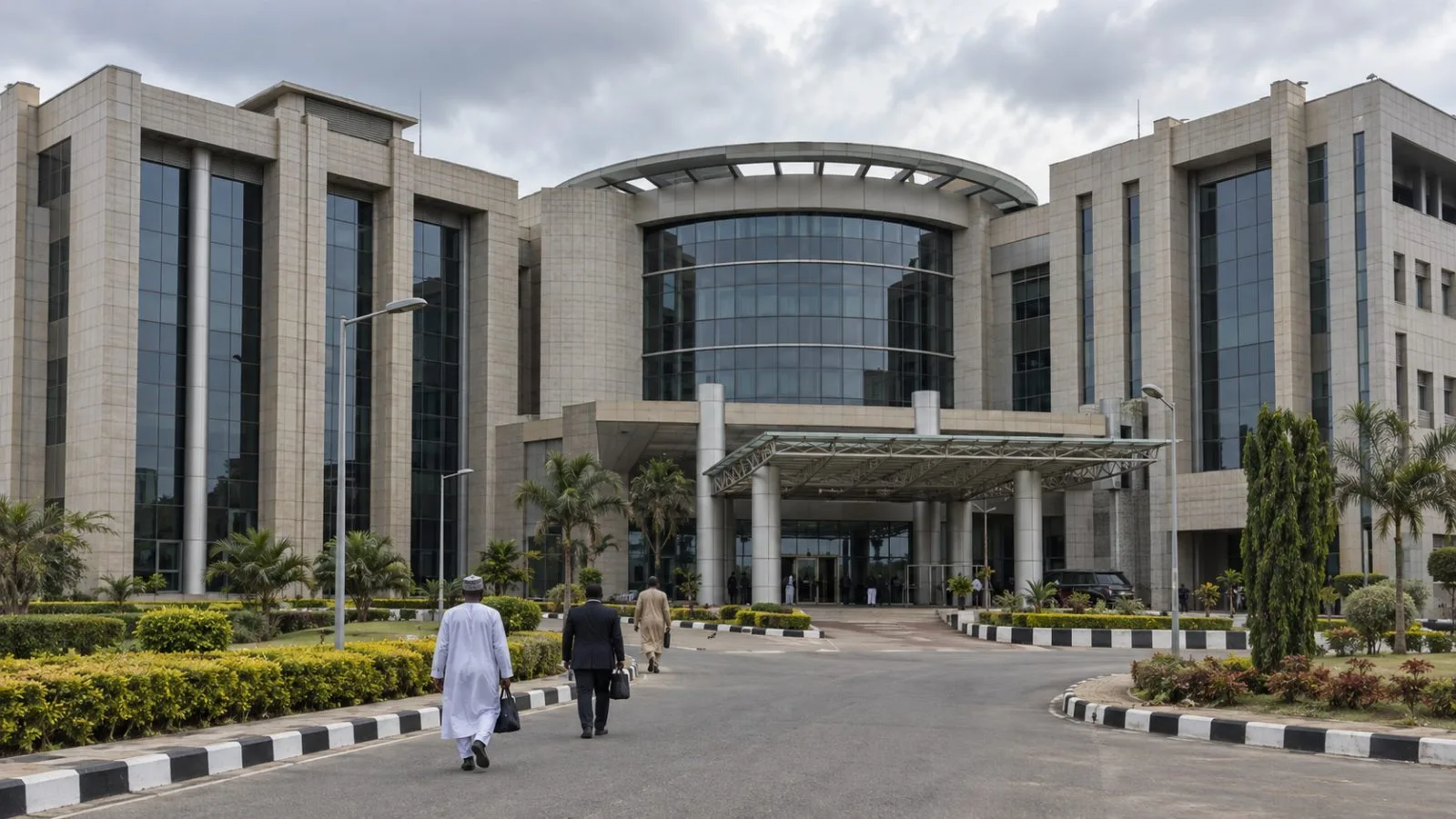
The Nigerian Upstream Petroleum Regulatory Commission (NUPRC) confirmed on Nov. 13 that it screened 28 wells near seepage locations in Rivers State, but did not identify the gas source. Punch and Premium Times reported that NUPRC classified three wells as very high risk, 10 as high risk and 15 as medium to low risk. The first two categories total 13; those ratings do not mean investigators confirmed 13 active leaks.
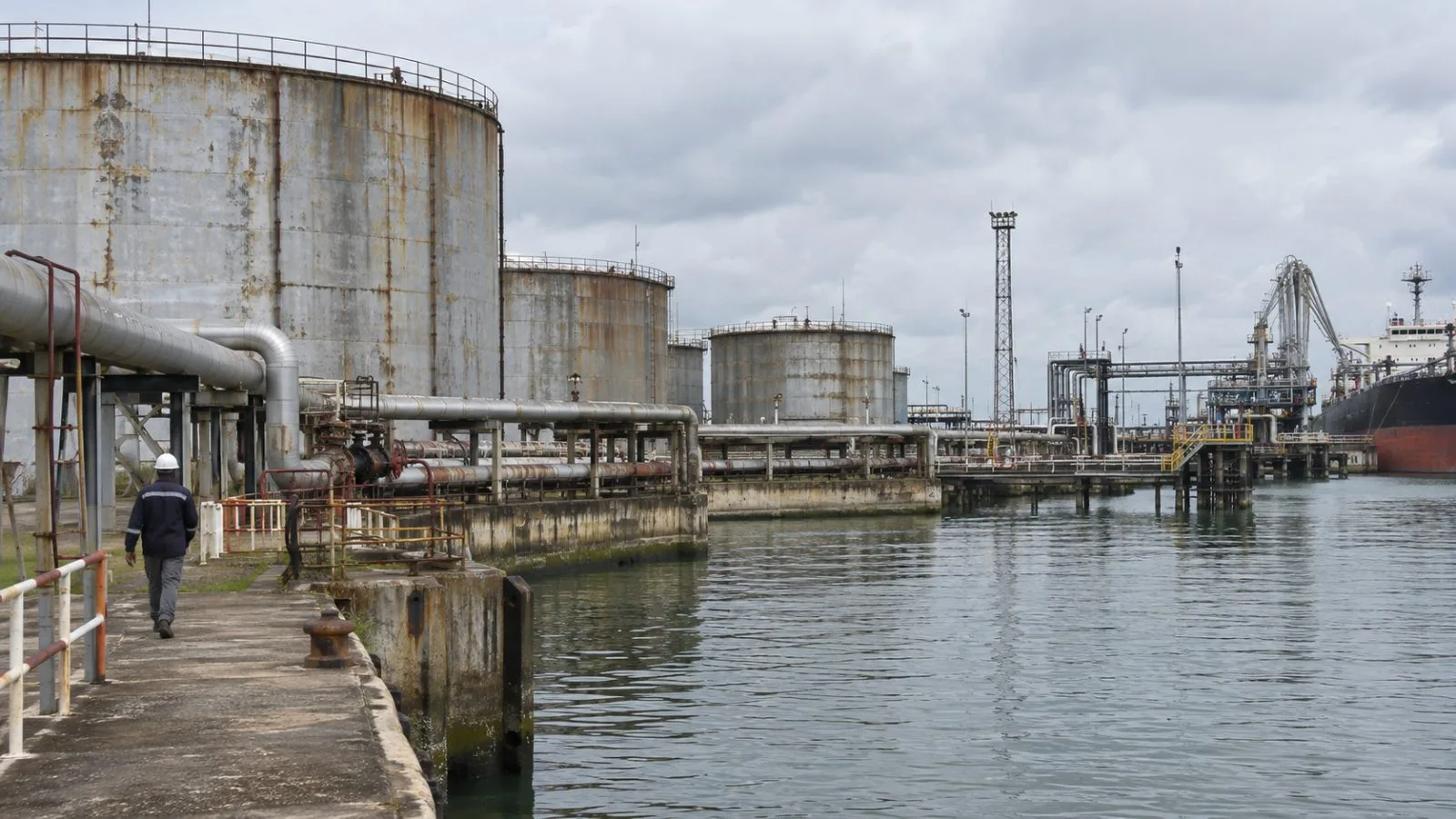
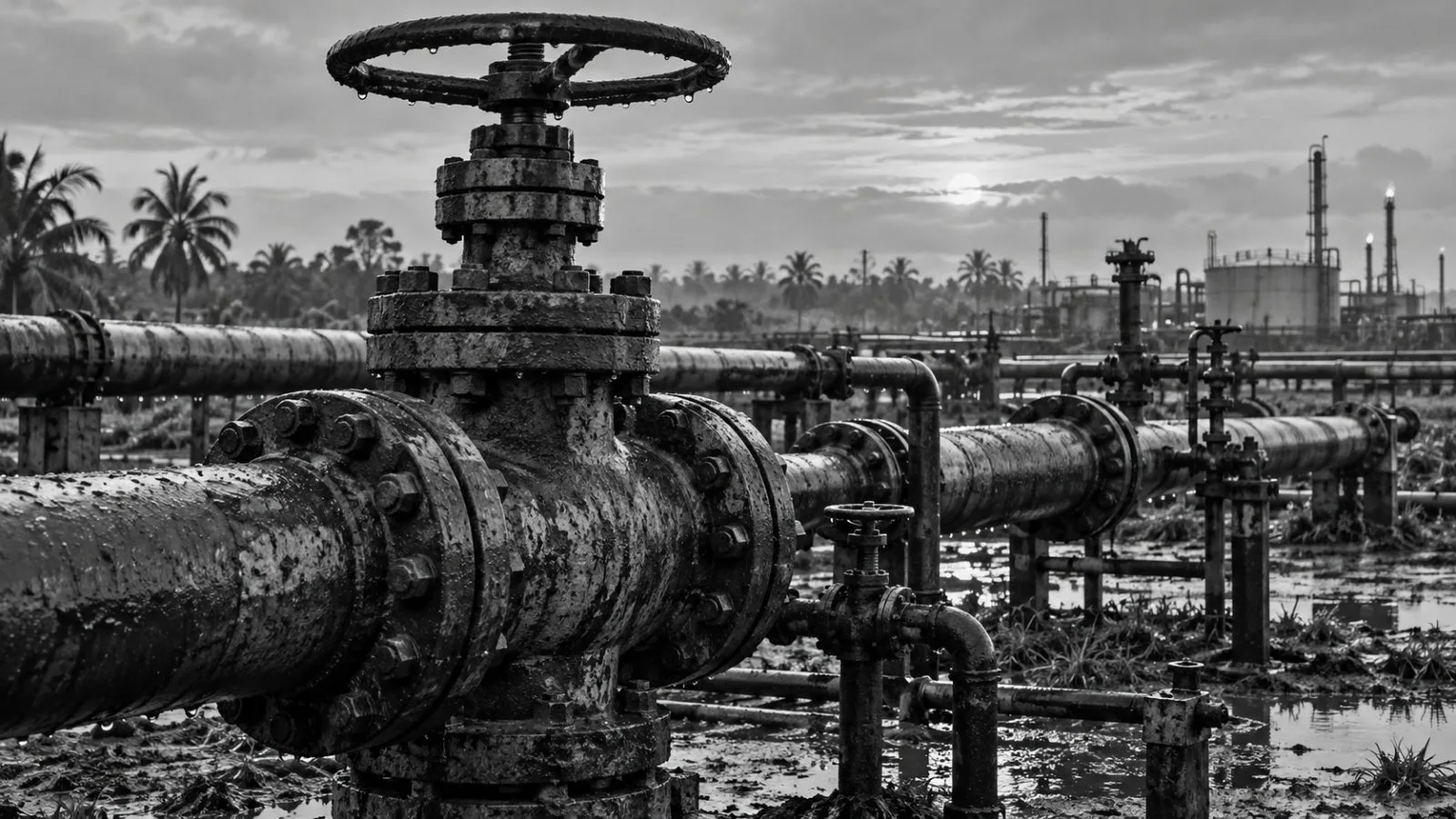
The regulator said it considered each well's distance from seepage areas and the formations reached during drilling. Investigators reached 14 wells; water covering three more blocked access. NUPRC said teams heard gas hissing at some locations and found other facilities corroded or vandalized.
One well drilled to find oil was shut after gas was discovered, NUPRC said. It is about 2.5 kilometers (1.6 miles) from a seepage location, while other nearby wells are 2.5 to 3 kilometers (1.6 to 1.9 miles) away. The commission dates the first observation to Oct. 2025. It describes Bille as highly explored and hydrocarbon-charged, but has not said that explains the seepage.
At a July visit, NUPRC Chief Executive Oritsemeyiwa Eyesan said, “Our assessment indicates that the first aquifer has been contaminated.” The commission and operators have mobilized food, medical outreach, efforts to provide potable water, fire vans and safety kits, NUPRC said.
The commission said evacuation may be needed if testing points to natural geological migration. In that case, it said, tracing the gas underground and planning interventions could be more difficult.
An independent investigation using gas fingerprinting and compositional field analysis is expected to produce results in the fourth quarter of 2026, NUPRC said. The fingerprinting method uses gas chromatography-isotope ratio mass spectrometry (GC-IRMS).