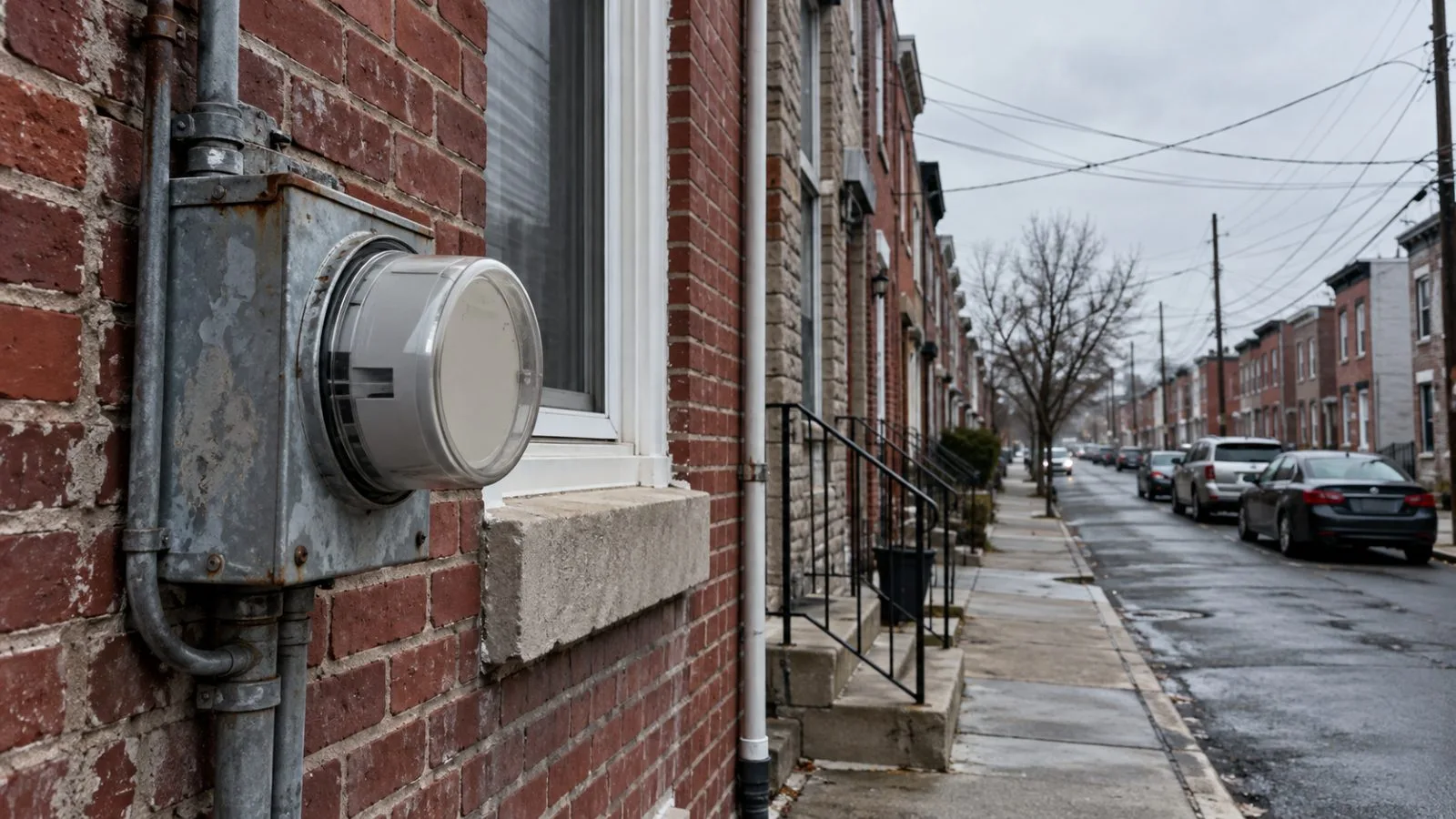
Regulators are reviewing U.S. utility filings seeking $23.1 billion through September, with third-quarter cases potentially affecting 45.5 million customers as energy costs enter a U.S. midterm election year.
The $23.1 billion is the value of requested changes over the first nine months of 2026; it is not an approved total. The 45.5 million estimate counts utility customers covered by third-quarter cases, with any eventual bill changes contingent on regulatory decisions.
Year-over-year September price gains were 74.2% for fuel oil and 34.2% for gasoline, according to consumer price index (CPI) figures. Electricity prices rose 4.4%, and piped gas service increased 5%. On Oct. 12, regular gasoline's national weekly average stood at $4.331 per gallon, while diesel averaged $6.179; their respective increases over a year were $1.270 and $2.514. For residences, electricity cost a preliminary annual average of 17.30 cents per kilowatt-hour in 2025, against 13.66 cents in 2021, an increase of about 26.6% by calculation.
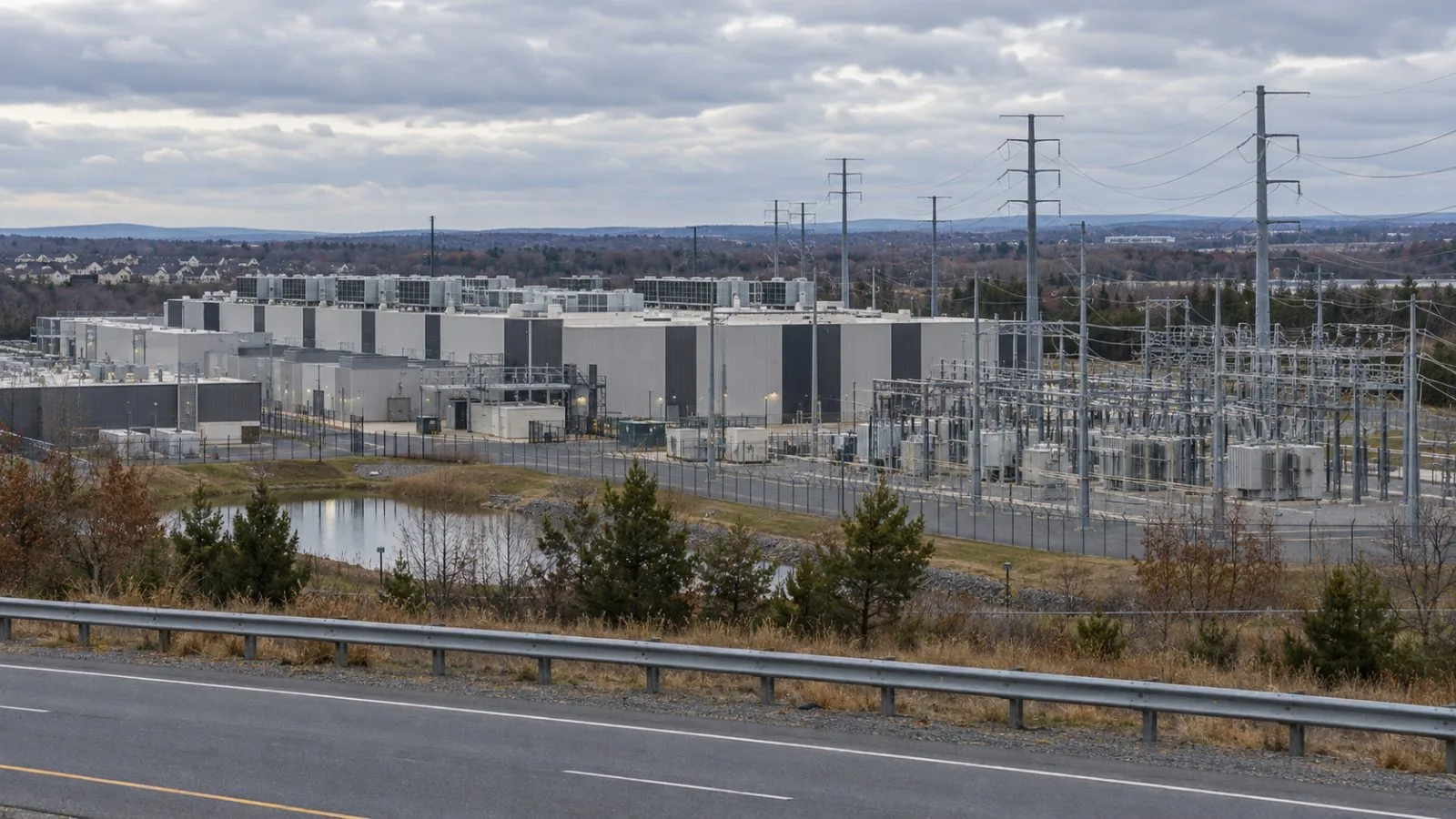
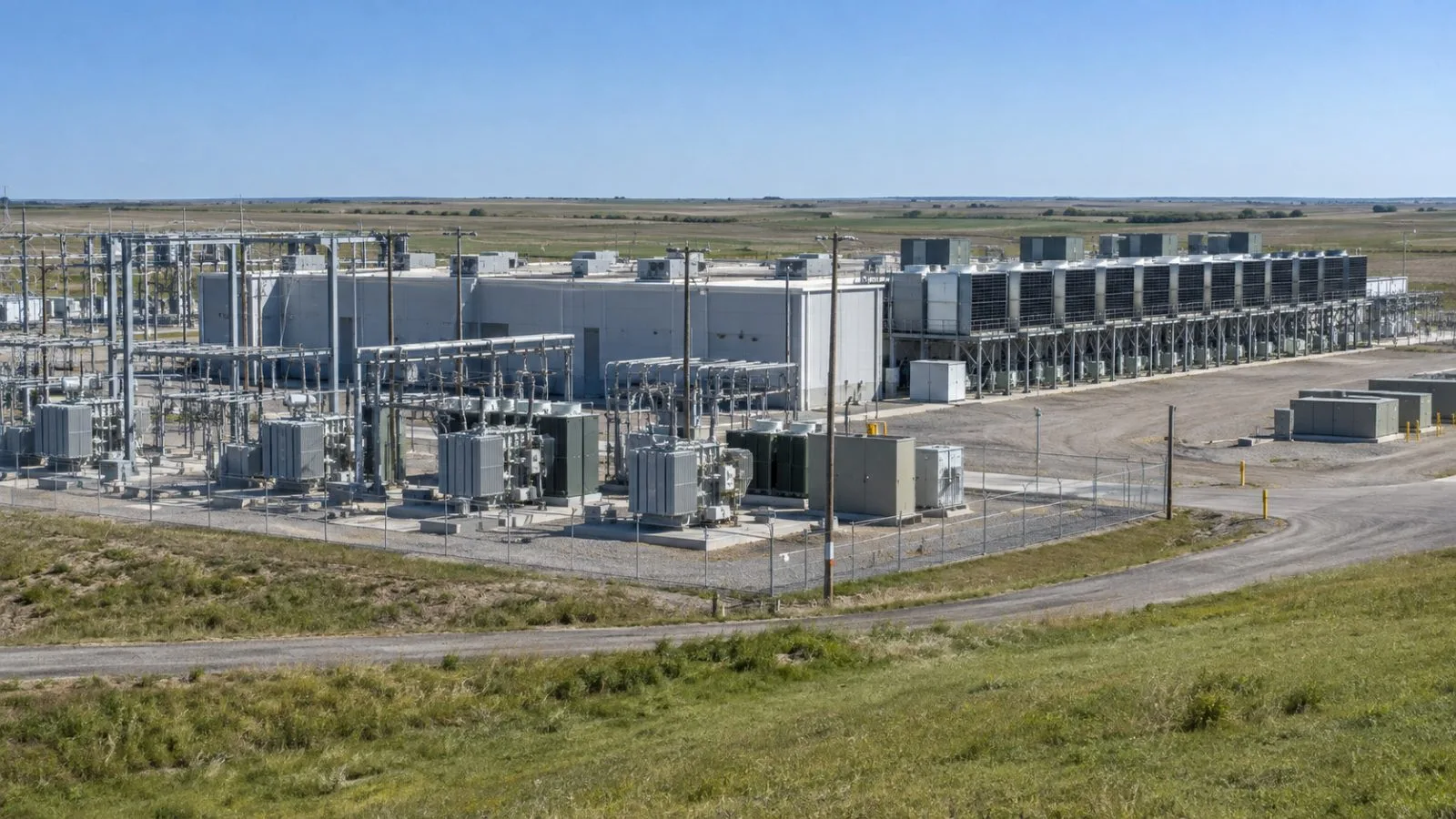
Filings seek to recoup grid transmission and distribution outlays, profit-related items and extreme-weather expenses. As data-center demand enters utility planning debates, one issue is how to divide costs for added generation and grid upgrades.
Researchers at the Massachusetts Institute of Technology’s Center for Energy and Environmental Policy Research estimated a 2.1% effect for residential customers and an average 2.7% across retail customers from 2010 through 2024; the effect at investor-owned utilities was 5.6%, according to earlier EconoTimes coverage of the research.
Energy bills have become part of contests for the U.S. House and Senate in Michigan, Ohio, Alaska, Colorado and Pennsylvania. Charles Hua, executive director of PowerLines, said, “This is no longer a boring, sleepy energy story.” Regulators are still reviewing the proposals before the Nov. 3 general election.