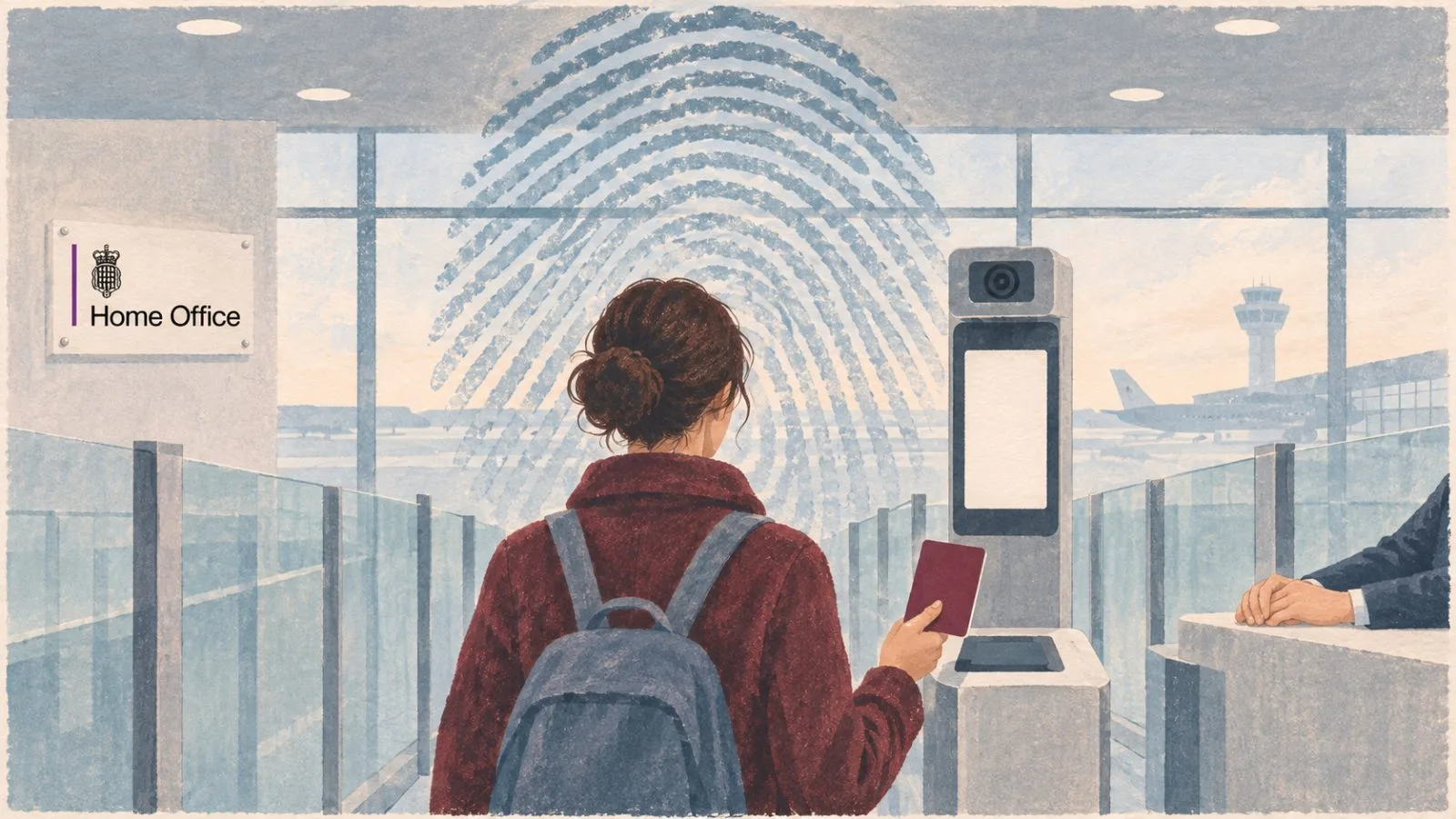
A proposed UK framework for facial recognition and other biometric surveillance has drawn support from the country's oversight commissioner, who says lawmakers must define safeguards for public authorities using tools that can affect fundamental rights.
The Home Office released its consultation response on Nov. 4. The proposal would be carried through the Police Reform Bill and apply to police and other public bodies in England and Wales using biometric systems for law enforcement or certain safeguarding work. The government says the framework is intended to support lawful policing and public safety, building on principles in the Protection of Freedoms Act 2012.
The proposal's relevance beyond Britain lies in a governance question: how public bodies can use biometric tools for safety while limiting their effects on rights. The plan calls for a statutory code of practice and an independent body to check compliance and enforce standards. A separate code would cover businesses using the technologies to prevent or detect crime. The response says systems should be properly evaluated, based on sound science and subject to continuing review.
Professor William Webster, the Biometrics and Surveillance Camera Commissioner, welcomed the direction but said key parts of its implementation need definition. He wants an explanation of how officials will judge whether use is necessary and proportionate, who will review each technology and how private-sector compliance will be enforced. Webster also said the response does not define the body's audit authority or enforcement remit, and questioned whether its resources and specialist expertise would match its duties.
“The commitments in this response must now translate into effective governance arrangements,” Webster said in a statement published Nov. 17. He described biometric surveillance, including live facial recognition, as intrusive and in conflict with rights such as privacy, the ability to move and express oneself freely, and peaceful assembly. He has also said the technologies may become more embedded in camera networks, body-worn video and drones, requiring oversight to keep pace.
The consultation opened Dec. 4, 2025, and closed Feb. 12, 2026. The Home Office recorded 1,261 completed online submissions and 588 separate email responses, but said it did not treat them as representative of public opinion. Webster said he expects more detail on governance when the bill is presented to Parliament.