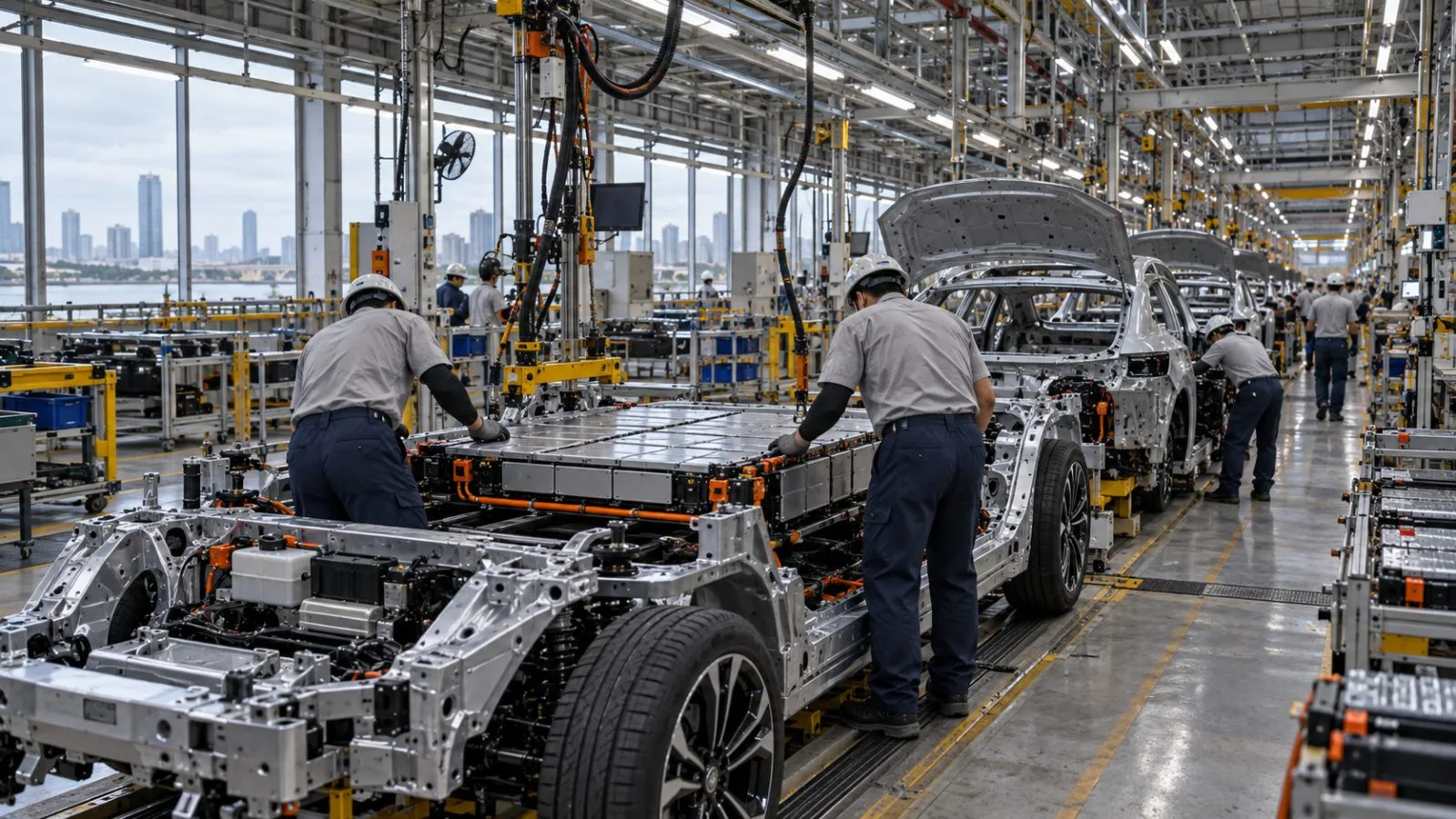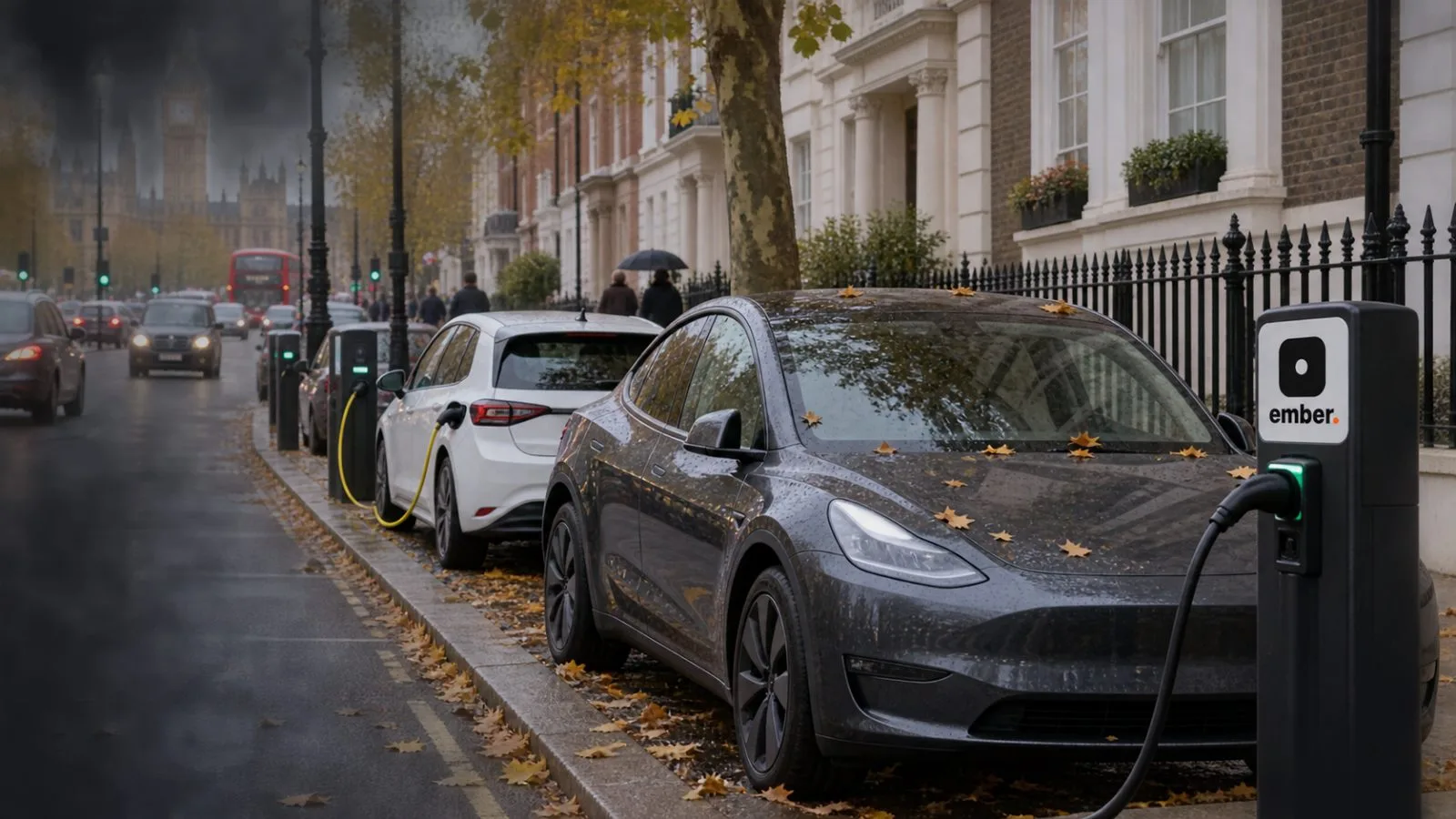
Britain’s Department for Transport (DfT) is considering whether to lower its 2030 zero-emission car sales target from 80% to 50%, a change with implications for automakers and planned emissions cuts.
A consultation that closed Oct. 23 also presented 60% and 70% options. The document invites views on possible changes to the mandate, which sets annual targets for the share of new vehicles sold without emissions from their tailpipes.
Battery-electric cars accounted for 28.3% of new UK registrations in September, up from 23.3% a year earlier, according to the Society of Motor Manufacturers and Traders (SMMT). Their share for the first nine months of 2026 was 26.2%; the mandate’s full-year target for zero-emission cars is 33%.
SMMT says the requirements have moved ahead of buyer demand. It argues that rules more closely aligned with the market would help sustain investment and employment in the UK auto industry while supporting the shift to electric vehicles.
The government says the mandate is intended to increase zero-emission vehicle sales and encourage investment. It has adjusted the rules before: Legislation introduced in October 2025 took effect in January 2026, giving manufacturers more flexibility to meet their targets.
The pace of the transition also affects projected emissions. In an illustrative scenario combining a 50% car target, a 40% van target and extended compliance flexibility, the DfT estimates an average annual reduction of 8.4 million metric tons of carbon dioxide equivalent in expected savings during the sixth carbon budget period.
Costs differ for drivers as well. In an EVA England survey, 94% of electric-vehicle drivers reported lower running costs than with their previous petrol or diesel car, while 52% said they paid more upfront than for a comparable conventional vehicle. Substantial running-cost savings were reported by 84% of respondents able to charge at home, compared with 32% of those who could not.
The government’s stated 2030 phase-out covers new petrol- and diesel-only cars and mild hybrids. From then, new cars with a fossil-fuel drivetrain must be at least full hybrids. The goal for 2035 is for all new car and van sales to be zero-emission. The DfT says stakeholder engagement will follow the consultation and commits to publishing a mid-point review by no later than 2027.