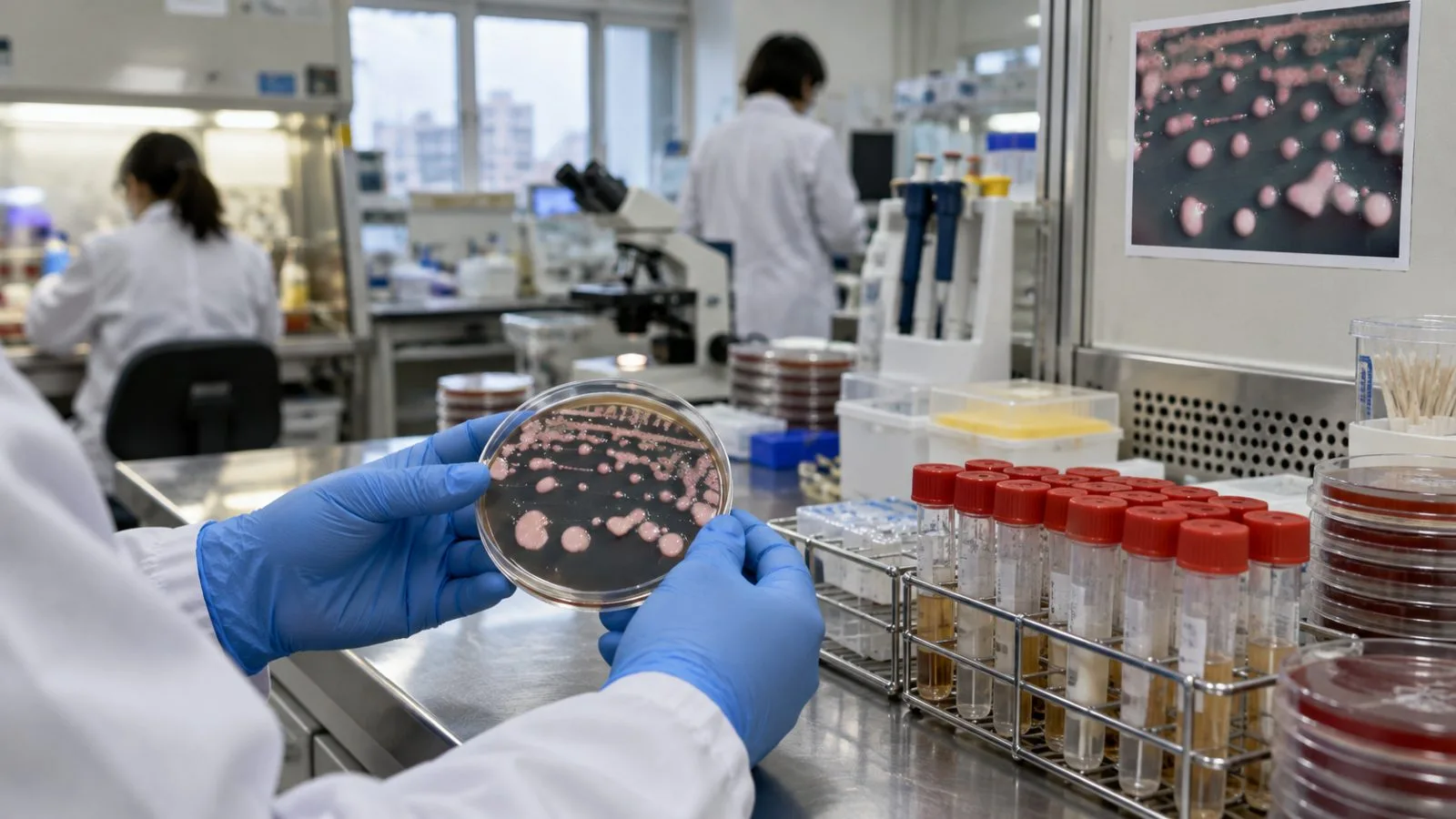
European Union surveillance shows that progress against antibiotic resistance is moving in different directions. The estimated incidence of bloodstream infections caused by carbapenem-resistant Klebsiella pneumoniae reached 3.51 per 100,000 people in 2024, up 61.0% from 2019, while the incidence of meticillin-resistant Staphylococcus aureus fell 20.4% over the same period.
The ECDC report found a statistically significant rise in the K. pneumoniae measure. The EU’s 2030 target is 2.07 infections per 100,000 people. By comparison, third-generation cephalosporin-resistant Escherichia coli bloodstream infections stood at 11.03 per 100,000 in 2024, 5.9% above 2019; ECDC found no statistically significant overall trend for that measure.
The data add context to the estimate that more than 35,000 people die each year from antimicrobial-resistant infections. ECDC says that estimate covers the European Union and European Economic Area and is based on surveillance data from 2020, so it is not a count of deaths in 2024.
The European Commission frames resistance as a One Health issue, since microorganisms can spread within and between human, animal and environmental sectors. EU recommendations include improving surveillance and infection prevention, using antimicrobials prudently and reducing total human antibiotic consumption 20% by 2030 from its 2019 level.
Prevention is also part of the response. The World Health Organization (WHO) estimates that vaccines against 23 pathogens could cut global antibiotic needs by 2.5 billion defined daily doses a year, or 22%. “Addressing antimicrobial resistance starts with preventing infections,” WHO Director-General Tedros Adhanom Ghebreyesus said.
The next update is due Nov. 18, when ECDC says it will publish its latest antimicrobial resistance (AMR) and antibiotic-consumption data.