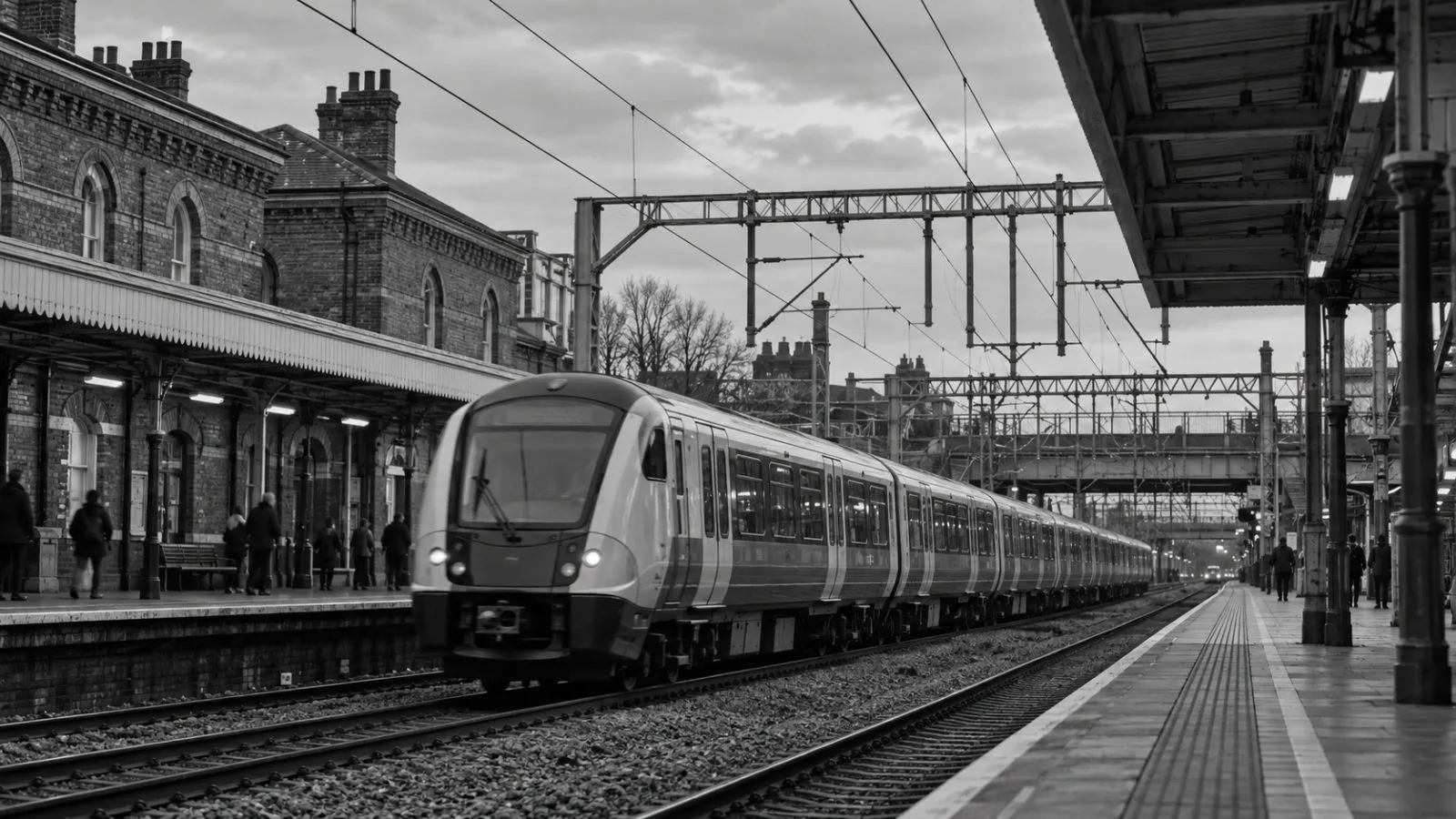
The UK's Railways Bill is advancing while Network Rail renewals remain far below their recent peak, leaving Great British Railways with a substantial maintenance challenge if it begins operating.
The planned public body would bring railway infrastructure and most passenger services under one organization. Rail Minister Peter Hendy said the bill could receive Royal Assent around Christmas, RailBusinessDaily reported from a Railway Industry Association conference. The UK Parliament tracker currently lists the House of Lords report stage as beginning Nov. 18; Royal Assent has not been granted.
The Department for Transport (DfT) expects Great British Railways to become operational about 12 months after Royal Assent. Its timetable schedules Great Western Railway's transfer to public ownership for Dec. 13, 2026, and Avanti West Coast's for March 7, 2027. The department expects transfers of passenger services under its contracts to be completed by the end of 2027.
The Office of Rail and Road (ORR) reported that Network Rail spent £3.654 billion on renewals in 2025-26, down 27% from £5.008 billion in 2020-21. ORR said higher delivery costs leave Network Rail able to complete fewer renewal projects within available funding. In England and Wales, inflation cut planned renewals to 83% of the original program. The regulator wants the company to explain how its plans will address effects on infrastructure condition, safety and service outcomes. It warned that fewer renewals raise the risk of declining asset condition and poorer reliability and performance over time.
Rail service indicators showed 3.5% of passenger services were canceled in the year to March 2026, while 84.1% arrived within three minutes of schedule. ORR counted 15,419 passenger railway vehicles in Great Britain as of March 31, 2026, with an average age of 16.4 years. A typical vehicle remains in service for about 30 to 35 years, but the ORR says age alone does not establish a fleet's comfort or accessibility.
The DfT estimates that establishing Great British Railways will cost £200 million to £400 million. It says public ownership could save up to £150 million a year in fees paid to private operators once all contracted passenger services transfer; those savings have not yet been realized. The next listed parliamentary milestone is the Lords report stage beginning Nov. 18.