


 RBI Raises Repo Rate to 5.50% in Hawkish Shift on Inflation Risks
  Fed Minutes Signal Another Rate Hike by Year-End
  Wall Street Falls as Fed Minutes Signal Another Rate Hike
  Trump Secures Russian Diesel Deal as US Fuel Prices Surge
  Asian Currencies Mixed as Yen Weakens, Dollar Holds Firm
  Crypto Market Selloff Wipes Out $100B as Bitcoin Falls Below $83K
  Iran Refuses to Halt Uranium Enrichment Amid US Nuclear Demands
  Dollar Near 18-Month High as Euro, Yen and Pound Weaken
  US, EU Push for Action Against Asia’s Excess Factory Capacity
  Mike Rogers Calls for End to US-Canada Tariff War
  France to Release 10 Million Barrels of Diesel to Ease Fuel Prices
  US Stock Futures Flat as Fed Minutes, Earnings Loom
  European Stocks Fall as Oil Rises Ahead of Fed Minutes
  Oil Prices Rise as Hormuz Risks Offset IEA Stock Release
  Gold Prices Hit One-Week High as Oil Falls, Fed Rate Outlook Weighed
  US Dollar Hits 18-Month High as Fed Signals More Rate Hikes


 Add as a preferred source on Google
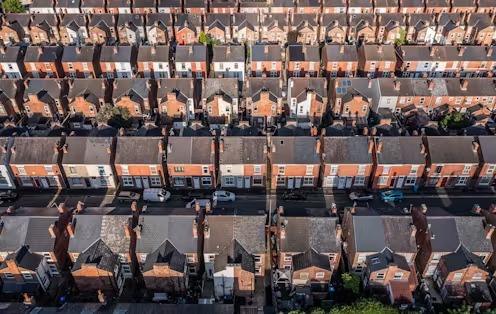

The main thrusts of the UK government’s budget in October 2024 was more borrowing, more tax and more spending. And within those broad goals lie substantial implications for the housing market.
One of the immediate impacts is the budget’s effect on mortgage rates from the planned increase in government borrowing, which has been estimated at £70 billion to fund infrastructure and social initiatives.
Increased borrowing by the government often leads to higher bond yields – the rate of interest the government has to pay to investors – as it competes for funds in the financial markets. This in turn increases the cost of borrowing across the economy, which means lenders may raise mortgage rates.
The Office for Budget Responsibility (OBR) now projects that average mortgage rates may increase from 3.7% to 4.5% over the next three years as a result.
And the Bank of England may need to respond in a similar way. For while the Bank has still gone ahead with the expected November 0.25% interest rate cut to 4.75%, it also warned about the uncertainty around the degree of inflationary pressure and wage growth.
The Bank raised its post-budget inflation forecast and signalled that it will be more cautious about anticipated interest rate cuts. If the inflationary pressure turns out to be more than expected, the Bank could even decide to increase rates.
The market has already shown signs of such expectations. Major lenders have also warned that mortgage costs could remain elevated for longer following the budget, immediately effecting mortgage affordability and household budgets.
Buy-to-live
The budget also included policies targeting the housing supply and landlords, which are likely to affect the property sector.
The government had already promised to build 1.5 million homes over the course of this parliament in their pre-election manifesto. And an increase in housing supply could slow down the recent relentless increase in UK house prices.
To achieve these ambitious targets, the budget introduced several measures. One of these is an additional £5 billion to expand the affordable homes programme, which includes support to build up to 5,000 extra homes next year.
An additional £3 billion will also be provided to the private housing sector by expanding existing housing guarantee schemes. These provide government loan guarantees to support the construction of affordable homes by reducing borrowing costs for housing associations and developers.
Chancellor Rachel Reeves also chose to maintain the current capital gains tax rates on residential properties, a policy welcomed by landlords. An increase could have triggered a sell off of buy-to-let properties, potentially reducing some house prices.
But the stamp duty surcharge on the purchase of second properties was raised from 3% to 5%, to slow down the demand in investment properties.
Additionally, the government has not committed to extending the current lower stamp duty thresholds, which are set to increase after March 2025. As a result, homebuyers – particularly first-time buyers – will face higher purchase costs.
One positive development for first-time buyers is the government’s plan to make mortgage guarantee scheme permanently available, supporting people to buy with deposits of just 5% of the property price. This move will end the scheme’s intermittent availability and offer greater certainty for the first-time buyers preparing to enter the housing market.
Borrowing: an expensive business
Ultimately, accurate prediction of house price growth is challenging, as it also depends on changing factors like wage growth and mortgage rates. But current projections suggest that price growth will slow from 1.7% in 2024 to 1.1% in 2025, followed by annual increases of 2.5% through to 2030.
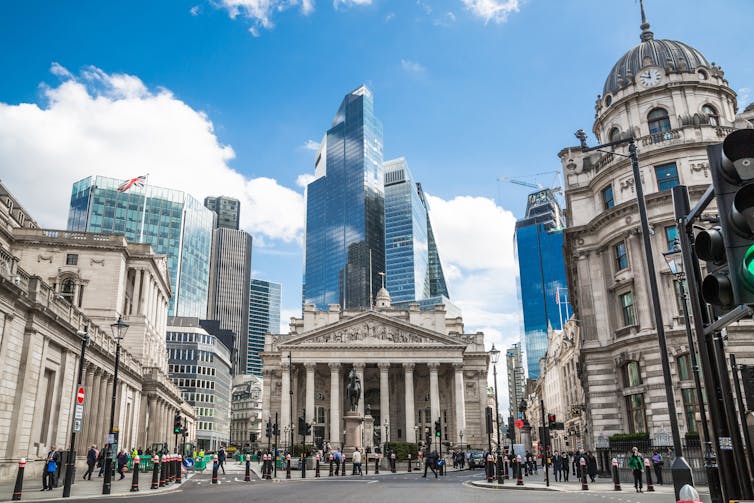
Banking on caution. I R Stone/Shutterstock
It is also important to remember that these predictions vary by region. Local planning laws, policies, and land availability also significantly influence house price dynamics.
Wage growth is crucial in shaping mortgage affordability and housing prices. As wages rise, people gain purchasing power, making higher mortgage payments more manageable. However, this increased affordability can also contribute to rising property prices.
If wage growth stagnates or fails to keep pace with rising living costs, mortgage affordability diminishes. Critics have argued that increased national insurance contributions in the new budget may lead to such stagnation.
What’s more, while the budget measures are expected to boost growth for 2024, the size of the UK economy will remain largely unchanged over the next five years.
Despite government initiatives to improve housing affordability and offer support for first-time buyers, rising borrowing costs and inflation pressures are likely to affect mortgage affordability. Combined with stagnant wage growth, these factors suggest that home ownership will remain a challenging goal for many in the foreseeable future.







