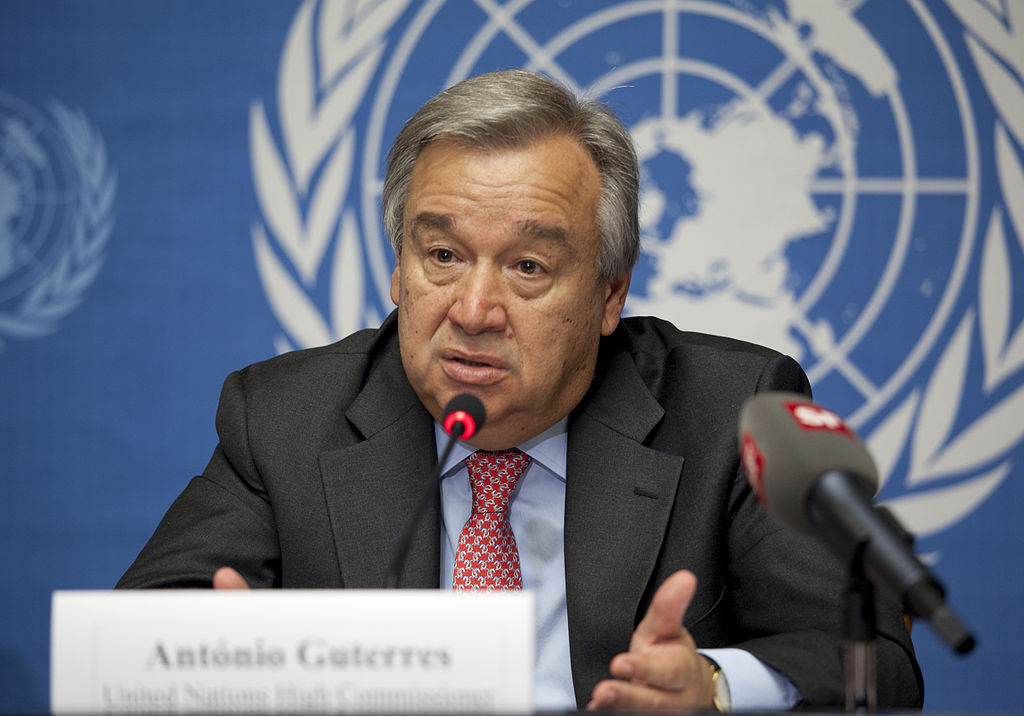
United Nations Secretary-General Antonio Guterres has firmly stated that the financial obligations owed by the United States to the United Nations are “non-negotiable,” responding to reports that Washington is attaching conditions to the release of billions in unpaid contributions. The statement comes amid growing tensions over U.S. demands for sweeping reforms within the global organization.
According to reports from Devex, the United States has proposed a series of “quick-hit” reforms as a prerequisite for releasing additional funding. These measures reportedly include aggressive cost-cutting strategies, restructuring the U.N. pension system, limiting business-class travel for staff, reducing senior-level positions, and cutting approximately 10% of long-running peacekeeping missions considered ineffective.
Guterres emphasized that these payments fall under “assessed contributions,” which are mandatory dues required from all member states. He made it clear that such obligations cannot be subject to political bargaining or reform conditions. While acknowledging ongoing efforts to improve efficiency and accountability within the United Nations, he stressed that financial commitments and institutional reforms must be treated as separate issues.
Another reported U.S. demand involves limiting China’s financial influence within the U.N., particularly by blocking contributions to a discretionary fund managed by the Secretary-General’s office. This move reflects broader geopolitical concerns about China’s growing role in international organizations.
The United States has yet to officially comment on the reported proposals but has consistently pushed for reforms, even withdrawing from several U.N. bodies and reducing funding in recent years. Earlier warnings from Guterres highlighted the risk of a financial crisis within the United Nations due to unpaid dues, with the U.S. accounting for a significant portion.
As of February, the United States had paid only about $160 million of the more than $4 billion it owes, raising concerns about the U.N.’s financial stability and its ability to carry out global peacekeeping and humanitarian missions.