A United Nations Environment Programme (UNEP) pathway requires steep greenhouse gas cuts to return warming to the Paris Agreement’s 1.5°C goal, while U.N. Secretary-General António Guterres says an initial overshoot is now unavoidable.
UNEP’s 2026 Emissions Gap Report estimates that its lowest-overshoot scenario would give the world about a 50% chance of returning to 1.5°C or lower by 2100. It calls for greenhouse gas emissions to be 18% below 2025 levels in 2030, 45% lower in 2035 and 69% lower in 2040. The modeled warming peak is 1.7°C to 1.8°C around mid-century, followed by a decline to 1.5°C or less by 2100. The pathway also depends on removing and permanently storing about 320 gigatonnes of carbon dioxide this century.
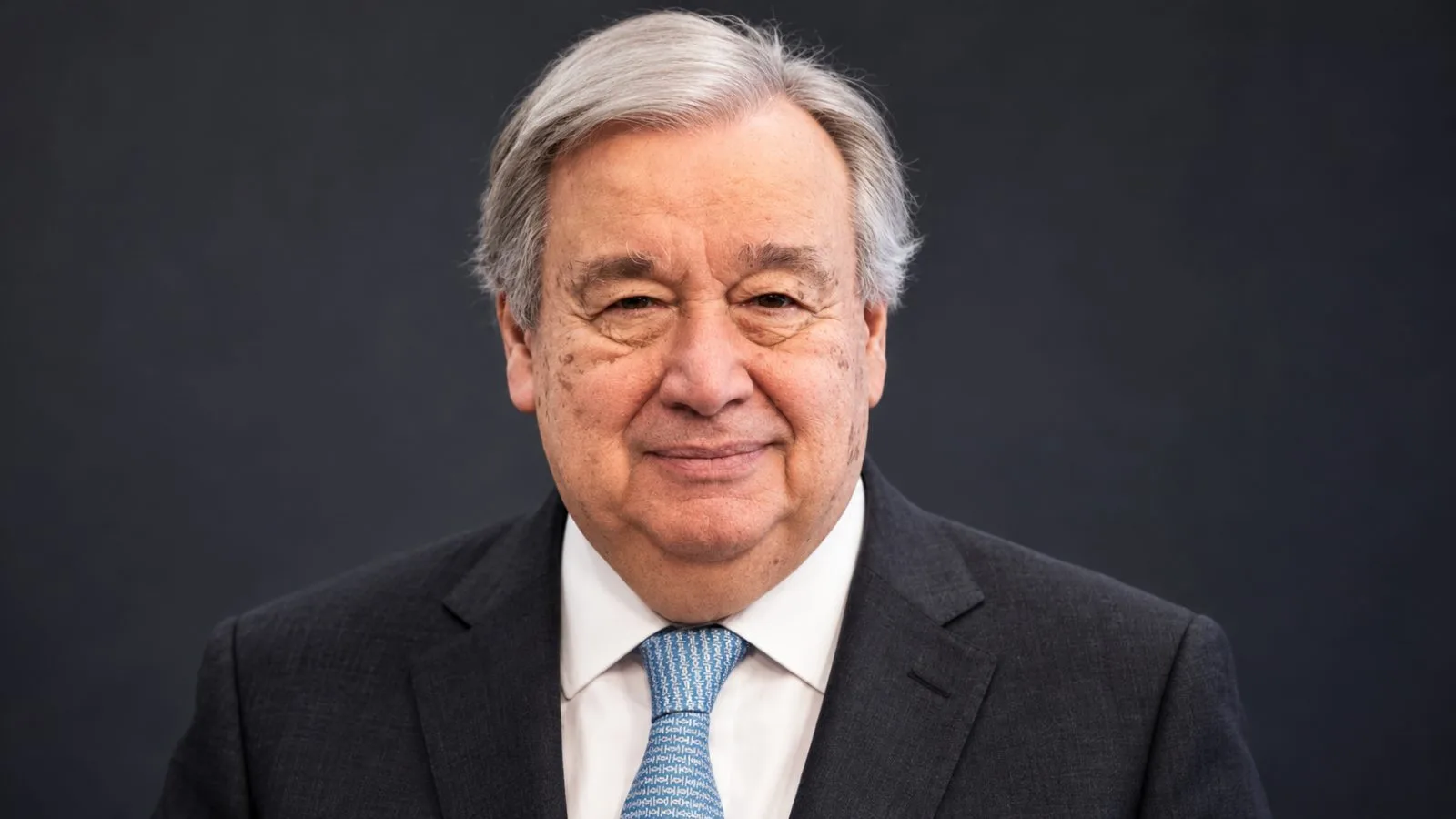
Guterres said the 1.5°C overshoot is now unavoidable. He set a benchmark of about 6% annual emissions reductions and said current national plans, including conditional pledges, reach at most about one-third of that pace.
UNEP’s projections show the gap between current commitments and its return pathway. If countries fully implement their latest pledges, emissions would fall 11% to 15% by 2035 from 2025 levels, and warming would reach about 2.6°C this century. Policies already in place point to 2.8°C, the report says.
Guterres also raised the unequal distribution of climate finance. He said emerging and developing economies beyond China represent nearly two-thirds of the world’s population, yet receive less than one-fifth of clean-energy investment. Most pay two to three times more to borrow, he said. Guterres proposed a “Climate Justice Compact,” saying, “We cannot demand that countries transform their economies while denying them the means to do so.”
As an example of change in the energy system, Guterres said solar supplied 1% of global electricity a decade ago and accounted for nearly 75% of last year’s increase in electricity demand. He also said roughly three-quarters of humanity lives in countries that import fossil fuels and face price shocks. COP31 is scheduled to continue in Antalya, Türkiye, through Nov. 20.