


 US Suspends Microsoft, Adobe From Green Card Program
  Maduro, Wife May Face New US Torture Charges
  US-Taiwan Ties Remain Strong as Taipei Urges Timely Arms Deliveries
  Hegseth Praises USS Abraham Lincoln Crew After Record Iran War Deployment
  Iran Refuses to Halt Uranium Enrichment Amid US Nuclear Demands
  Berlin Coalition Talks Advance After Left Party Antisemitism Deal
  RFK Jr. Launches Nationwide Vaccine Safety Review
  Flavio Bolsonaro Leads Lula 49%-45% in Brazil Runoff Poll
  Trump Weighs FBI Probe Into Nolan Wells’ Death
  Saudi Arabia Probes Flydubai Cockpit Attack
  EU Rejects Italy, Greece Calls for Fiscal Rule Flexibility
  ICC Rules Duterte Fit to Stand Trial in Drug War Case
  Trump Says He Deserves 2026 Nobel Peace Prize Despite Uncertain Chances
  Trump Rallies in Texas as Republicans Face Tight Midterm Races
  Venezuela’s Machado Calls for Elections by July 2027
  Tsai Warns of China’s Sustained Pressure on Taiwan
  Pentagon Orders Iran Strike Preparations as Trump Weighs Military Action


 Add as a preferred source on Google
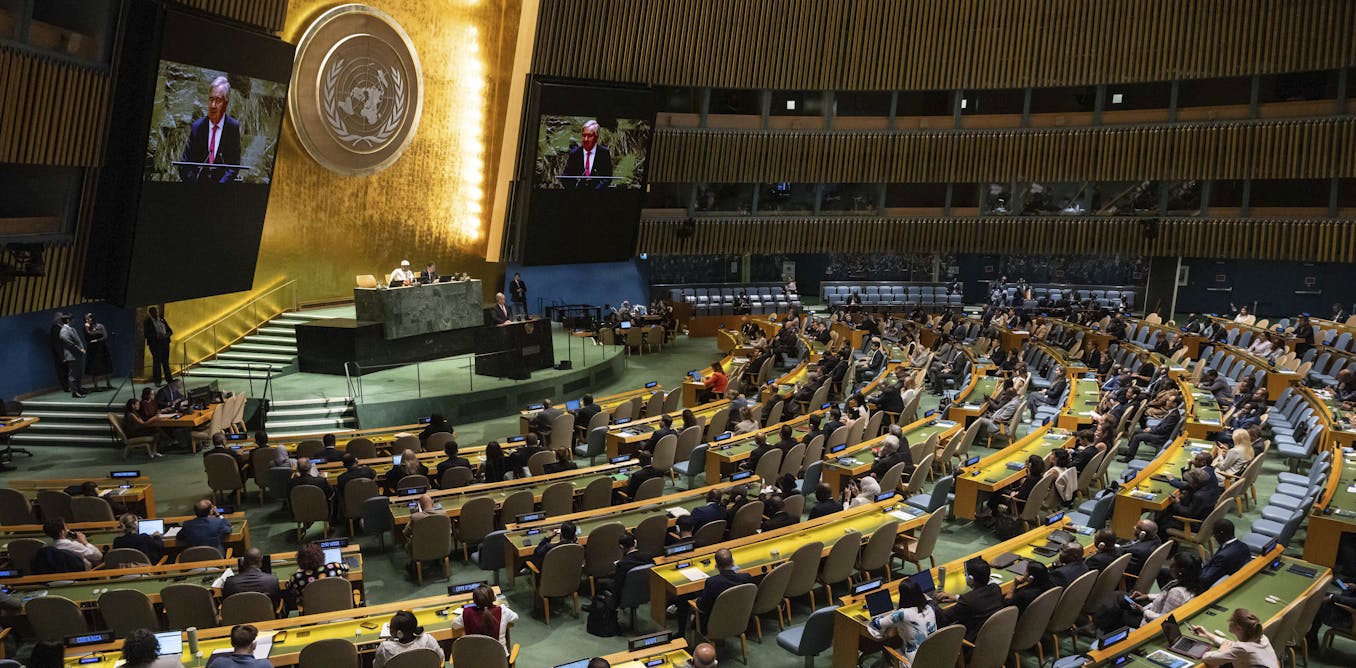
The United Nations Human Rights Council has formally condemned Iran for widespread human rights abuses and has expanded an existing investigation into the government’s violent crackdown on recent anti-government protests. The decision came during an emergency session in Geneva, where U.N. High Commissioner for Human Rights Volker Turk urged Iranian authorities to halt what he described as “brutal repression” and to safeguard detainees held amid the unrest.
The council approved a resolution extending a fact-finding mission first established in 2022, allowing U.N. investigators to document the latest wave of protests and violence. The evidence collected could be used in potential future legal proceedings, reflecting growing international concern over accountability for alleged crimes committed during the crackdown.
Human rights organizations report that thousands of people were killed, including bystanders, in what is described as Iran’s deadliest repression since the 1979 Islamic Revolution. Tehran has rejected these claims, instead blaming “terrorists and rioters” allegedly supported by exiled opposition groups and foreign adversaries such as the United States and Israel.
Iran’s mission to the United Nations criticized the resolution as “politicized” and dismissed the inquiry as foreign interference. Officials insisted Iran has independent and effective domestic mechanisms to investigate the causes of the unrest. Despite this, conflicting casualty figures have emerged. Iran’s ambassador to the U.N. in Geneva, Ali Bahreini, acknowledged around 3,000 deaths, while a senior Iranian official told Reuters the toll could be at least 5,000, including hundreds of security personnel. The U.S.-based HRANA rights group has verified 4,519 deaths so far, with thousands more under review.
The resolution passed with support from 25 countries, including France, Mexico, and South Korea. Seven countries, among them China and India, voted against it, while 14 abstained. Several nations argued the situation was an internal matter and questioned the usefulness of the emergency session.
Former U.N. prosecutor Payam Akhavan described the events as the worst mass killing in Iran’s modern history and called for a “Nuremberg moment,” highlighting demands for international justice. However, uncertainty remains over funding for the expanded inquiry, as the U.N. faces a broader financial crisis that has delayed other investigations.







