The pace of ecosystem restoration must triple to reach a goal of restoring one billion hectares by 2030, a United Nations report said, after documenting work across 252 million hectares in 149 countries.
The assessment lists 232 million hectares on land, 11 million in inland waters and 5.7 million in marine and coastal ecosystems. Restoration can include projects such as replanting trees. China recorded 137 million hectares of land restoration, followed by Mongolia, Kazakhstan and Ethiopia. The report says freshwater and marine restoration remain far behind ambition even as those ecosystems face the highest rates of degradation.
The goal to restore one billion hectares is part of the United Nations Decade on Ecosystem Restoration, which runs from 2021 through 2030. It sits alongside a separate target in the Kunming-Montreal Global Biodiversity Framework, adopted in 2022, to place at least 30% of degraded terrestrial, inland water, coastal and marine ecosystems under effective restoration by 2030. The two benchmarks measure different things: a total area to restore and the share of degraded ecosystems under effective restoration.
The assessment puts annual restoration financing needs at $296 billion by 2030, up from $64 billion. It says funding, particularly from the private sector, must increase. Restoration has created one million related jobs, and the goal is to reach 32 million by 2030.
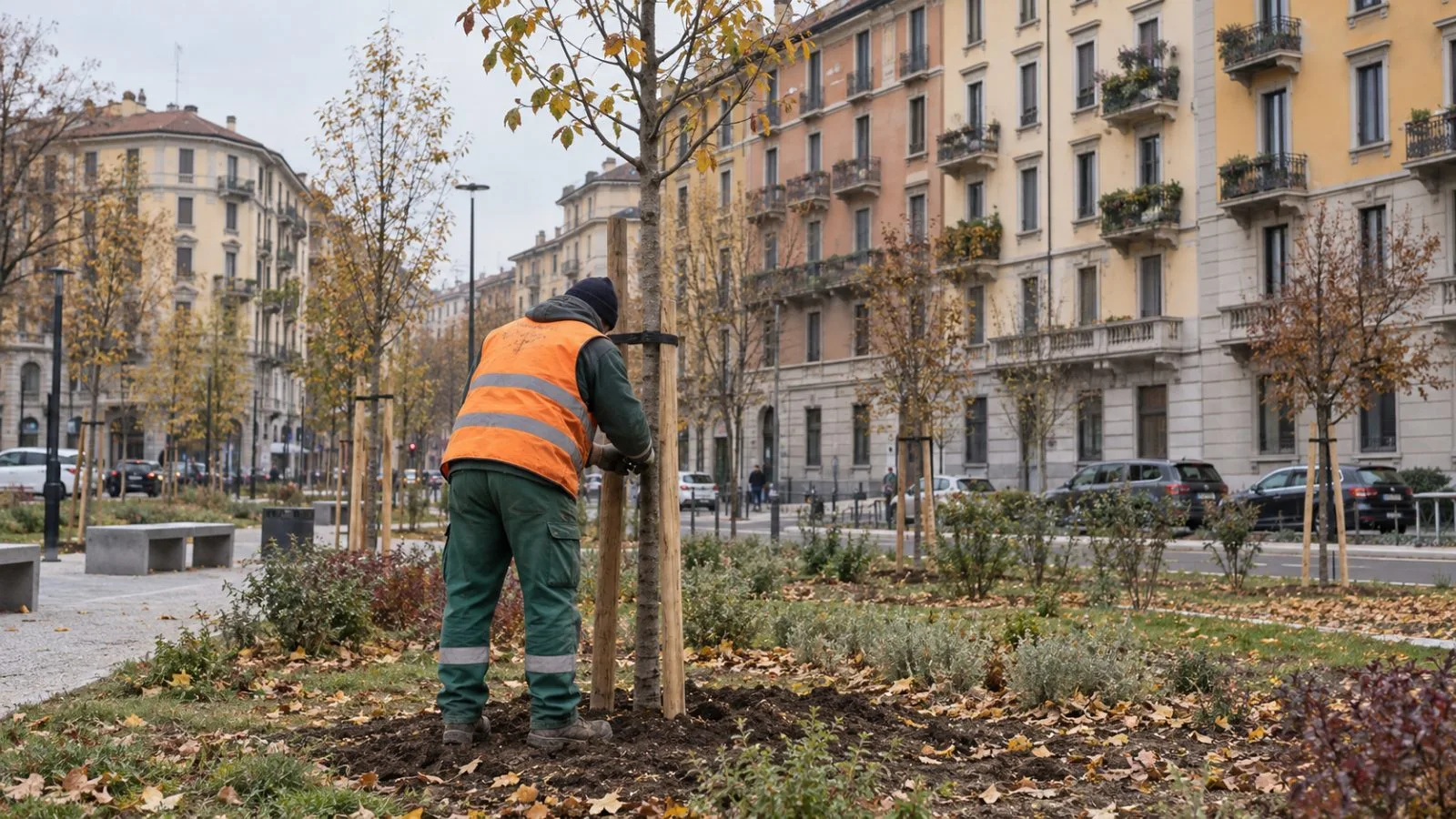
The report was published Oct. 29 during COP17, the U.N. biodiversity conference in Armenia. United Nations Environment Programme (UNEP) Executive Director Inger Andersen said, “we are still not restoring nature at the scale or speed required.” Italy’s Forestami urban forestry project was also named a restoration flagship at COP17, as described in EconoTimes’ earlier coverage of the Forestami designation and restoration funding.