United Nations agencies say funding gaps are reducing cooked meals in Gaza and disrupting services for children in Sudan, adding strain to humanitarian operations in both places.
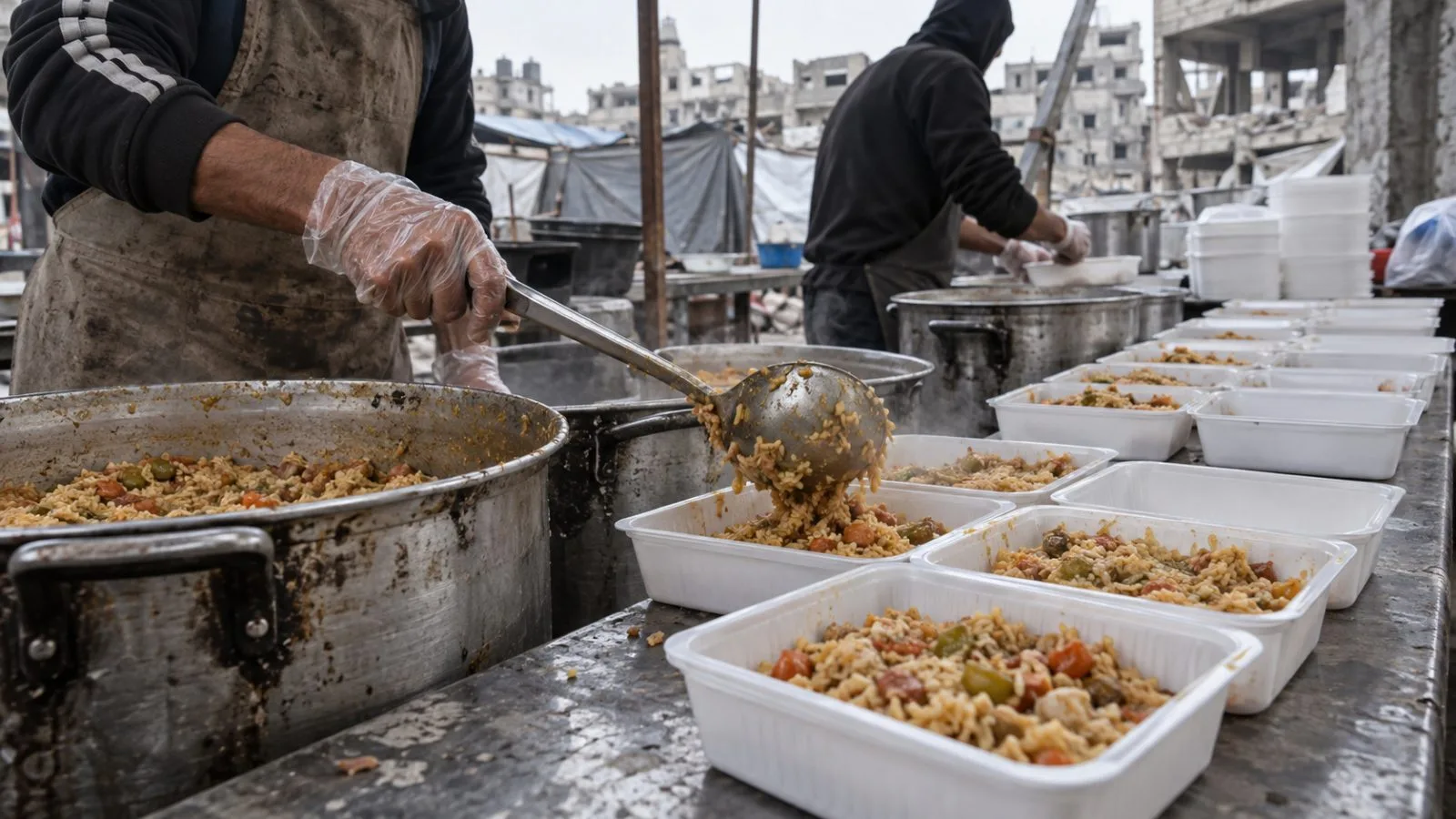
The United Nations Office for the Coordination of Humanitarian Affairs (OCHA) said aid partners prepared about 614,000 cooked meals a day in Gaza in early October, down from 695,000 in late September. OCHA attributed the decline to funding constraints. At some sites, meals were delivered on alternating days. The agency also cited one operational cargo crossing and delays in inspections, customs and handling as limits on food supplies.
In Sudan, the United Nations Children’s Fund (UNICEF) estimated that 17.3 million children needed humanitarian assistance in 2026. By June 30, it had mobilized $351.1 million toward an approximately $963 million appeal, including funds carried over from 2025. With 64% of the appeal unfunded, UNICEF said the shortfall limited its ability to sustain services for children, particularly in areas with severe needs that were difficult to reach.
Euronews reported Monday that United Nations humanitarian chief Tom Fletcher had to cut aid for children he believed might not survive without support.
The UN’s prioritized 2026 humanitarian plan seeks $23 billion to reach 87 million people with the most urgent needs. On Oct. 2, OCHA announced $160 million from its Central Emergency Response Fund. It allocated $150 million to 12 underfunded crises, including $18 million for the occupied Palestinian territory and $16 million for Sudan, and set aside the remaining $10 million for disability inclusion in those crises.
Fletcher has also called for greater protection of aid workers. In an April 8 statement to the UN Security Council, he said the toll among humanitarian workers exceeded 1,010 in 2023–25, compared with 377 in the preceding three years. A later tally by Humanitarian Outcomes’ Aid Worker Security Database put the 2023–25 figure at 1,040.
OCHA said money alone would not enable aid to reach people in several crises, including Sudan and the occupied Palestinian territory. It called on leaders to remove obstacles to humanitarian access.