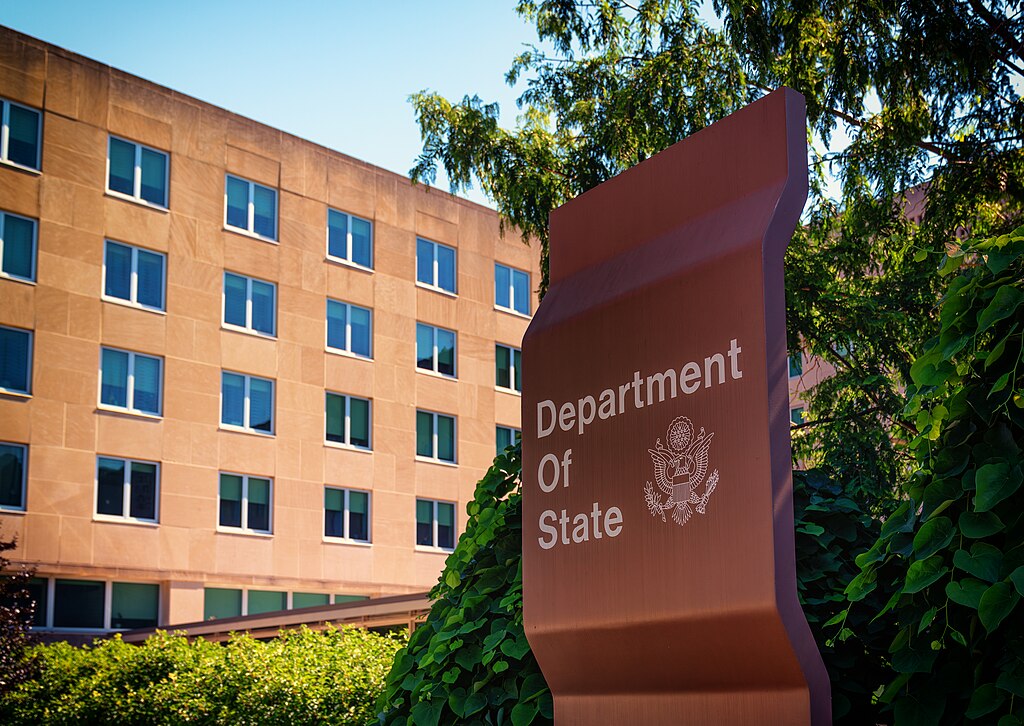
The United States will provide an additional $6 million in humanitarian aid to Cuba, bringing the total U.S. assistance to $9 million since Hurricane Melissa struck the island in October, according to a senior State Department official. The announcement comes at a time of heightened tensions, as Washington has intensified efforts to block oil supplies to Cuba, contributing to widespread fuel shortages and power outages across the country.
Jeremy Lewin, the top U.S. State Department official overseeing aid, said the new funding is aimed at helping the Cuban people cope with ongoing humanitarian challenges. Speaking at a news conference on Thursday, Lewin said the assistance is being delivered through the Catholic Church and noted that Cuba’s communist party authorities have not interfered with the distribution so far. The aid focuses on basic necessities, including food and emergency supplies, particularly for communities still recovering from the hurricane.
However, Cuban officials have sharply criticized the move. Deputy Foreign Minister Carlos Fernandez de Cossio described the U.S. action as hypocritical, arguing that Washington is imposing harsh economic measures while offering limited humanitarian relief. In a social media post, he said it was contradictory to deny Cuba basic economic conditions and then publicize what he characterized as minimal aid.
The announcement follows recent statements by U.S. President Donald Trump, who said Cuba would no longer receive oil from Venezuela after a U.S. operation to capture Venezuelan leader Nicolas Maduro last month. Trump also warned that other countries, including Mexico, could face tariffs if they continue supplying fuel to the Caribbean nation.
Cuban President Miguel Diaz-Canel said earlier on Thursday that his government would introduce temporary measures within the next week to manage fuel shortages, as blackouts have already affected several provinces. Despite the impact of oil sanctions, Lewin argued that Cuba’s humanitarian crisis extends beyond Hurricane Melissa and is largely the result of government mismanagement.
Cuba, meanwhile, continues to blame the longstanding U.S. embargo and tightened sanctions for its economic difficulties, as the Trump administration has significantly expanded those restrictions in recent months.