


 Ripple Chairman Chris Larsen Donates $22.5 Million Ahead of US Midterms
  Trump Sanctions International Criminal Court, Sparking EU Backlash
  Trump Secures Russian Diesel Deal as US Fuel Prices Surge
  Zelenskiy Slams US Over Deadly Russian Strikes on Ukraine
  Trump Buys Up to $25M in Meta Stock, Invests in SpaceX Debt
  Pakistan Declares Emergency in Khyber Pakhtunkhwa, Suspends Imran Khan’s PTI Government
  Venezuela’s Machado Calls for Elections by July 2027
  Trump Announces Russia-Ukraine Energy Ceasefire as Zelenskiy Awaits Details
  Trump Calls for Zelenskyy Replacement Amid Russian Diesel Deal
  US, EU Push for Action Against Asia’s Excess Factory Capacity
  Mahmoud Abbas Postpones Palestinian Elections to September 2027
  US Charges Maduro and Wife With Torture Conspiracy
  Zelenskiy Slams US-Russia Diesel Deal as Funding War
  Trump Cancels Alabama Football Trip as Hurricane Isaias Approaches
  North Korea Fires Ballistic Missiles as Tensions With South Korea Escalate
  JD Vance Questions Pentagon Plan to Livestream Fort Hood Shooter’s Execution
  US Judge Blocks Trump Administration’s Taxpayer-Funded Political Ads


 Add as a preferred source on Google
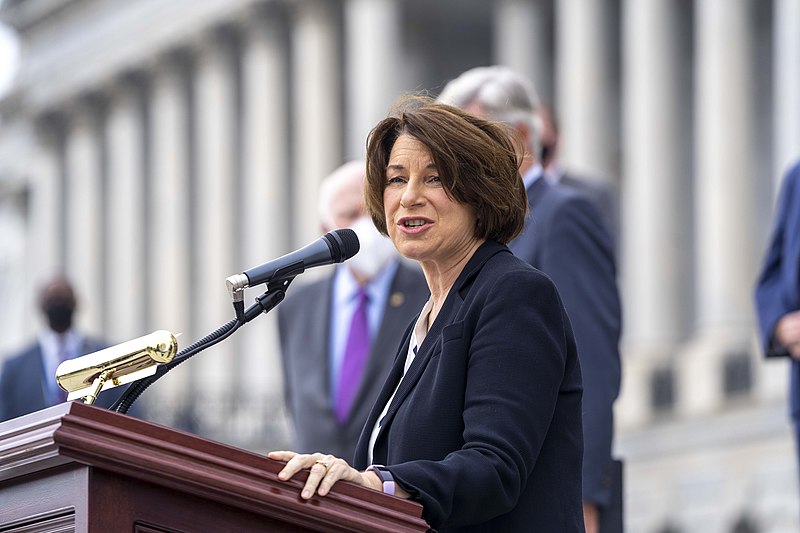
A bipartisan group of US lawmakers this week introduced legislation that would allow news outlets to negotiate with major online platforms. The new bill comes after its previous version was opposed by two technology groups that included the platforms that Facebook and Google are part of.
Four lawmakers of the House and Senate Judiciary Committees unveiled their legislation named the Journalism Competition and Preservation Act Monday, which would allow for negotiations between news outlets and major platforms like Google and Facebook. The bill is a revised version of the legislation that was first introduced in March last year but ran into opposition from tech trade groups that Facebook and Google are part of.
The bill would remove “legal obstacles to news organizations’ ability to negotiate collectively and secure fair terms from gatekeeper platforms that regularly access news content without paying for its value.” Democratic Senator Amy Klobuchar, Republican Senator John Kennedy, Democratic Rep. David Cicilline, and Republican Rep. Ken Buck introduced the bill.
The revised legislation would cover news outlets that have less than 1,500 full-time employees and non-network news broadcasters. The bill would also allow them to coordinate to negotiate better deals with Facebook, Google, and other major platforms.
The legislation introduced last year, would have applied to any print, broadcast, or digital news outlet with an editorial staff that published content at least on a weekly basis.
Meanwhile, Reuters reports that the decision by the Biden administration to forgive student loan debt as early as Wednesday, according to a source familiar with the matter. This comes as the current pause on student loan payments is set to expire at the end of August, with borrower balances frozen since the start of the COVID-19 pandemic in the country.
Several advocates for student loan cancellation expect the Biden administration to extend its current pause on student loan payments until the end of the year, while also announcing plans to cancel as much as $10,000 in student debt for those whose income is less than $125,000 a year.
The issue is likely to come up in the midterm elections in November, especially among younger voters, most of whom tend to lean Democratic.







