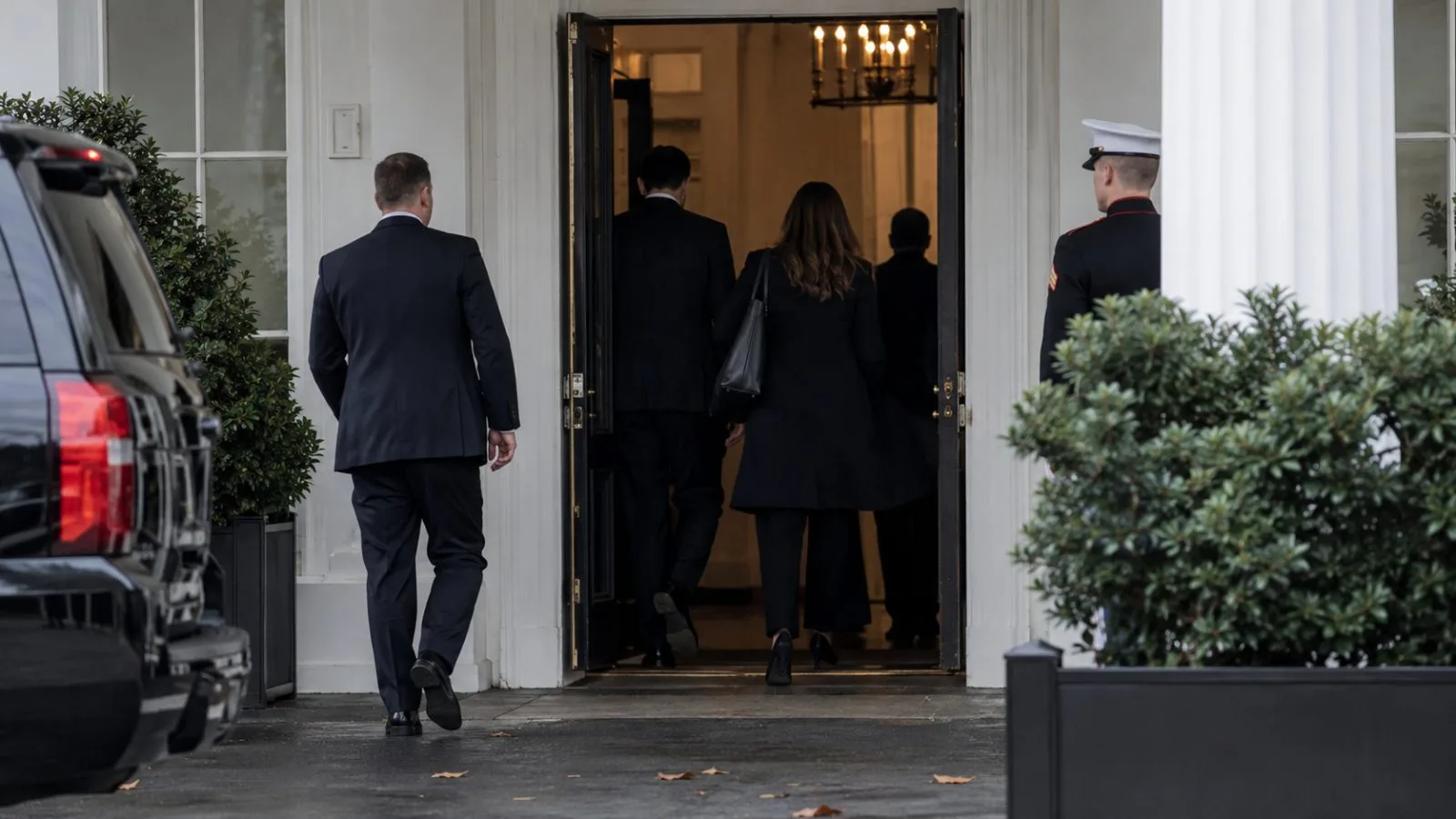
The U.S.-Canada trade war has intensified since President Donald Trump returned to office in January 2025, disrupting decades of economic cooperation and hitting industries including steel, aluminum, automobiles, lumber and consumer goods.
The dispute began on February 1, 2025, when Trump announced tariffs on Canadian imports. Ottawa responded with plans for C$155 billion in retaliatory duties, although both sides temporarily paused measures days later.
Tensions returned in March as Washington imposed 25% tariffs on Canadian goods and 10% duties on energy products. Canada countered with tariffs on C$30 billion of U.S. imports. Trump also introduced 25% steel and aluminum tariffs, prompting another C$29.8 billion Canadian retaliation.
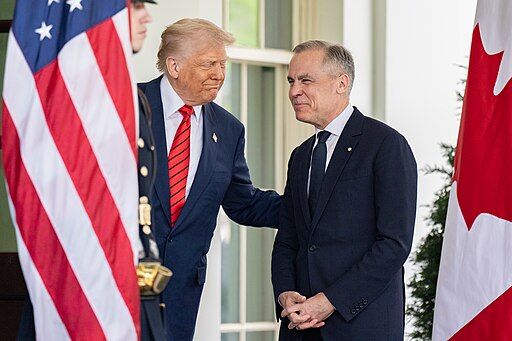
The conflict expanded to automobiles in April, while Prime Minister Mark Carney sought to reset relations during his first White House meeting with Trump on May 6. However, Washington doubled steel and aluminum tariffs to 50% in June.
Trade negotiations suffered another setback when Trump halted talks over Canada's digital services tax. Ottawa later withdrew the tax, but Washington raised tariffs on non-USMCA-compliant Canadian goods to 35% in July.
Canada removed most retaliatory tariffs in August 2025 but maintained measures covering steel, aluminum and automobiles. Additional U.S. duties on Canadian softwood lumber followed in September, while Trump again suspended negotiations in October.
Pressure increased in 2026. The U.S. Trade Representative imposed tariffs of up to 12.5% on Canada and other countries in June over forced-labor concerns. On July 1, Trump declined to renew the USMCA, leaving the North American trade pact subject to annual reviews.
Trump then invoked Section 338 on July 20 to impose additional 50% tariffs on roughly $20 billion of Canadian products, including wine, dairy, furniture, cement, clothing and hockey equipment.
Negotiations collapsed on August 22, triggering the tariffs and prompting Carney to suspend talks and promise dollar-for-dollar retaliation.
The dispute escalated further on August 24 when Trump announced 50% tariffs on Canadian cars, trucks and automotive parts, scheduled to take effect January 1, 2027, raising the stakes for the deeply integrated North American auto industry.