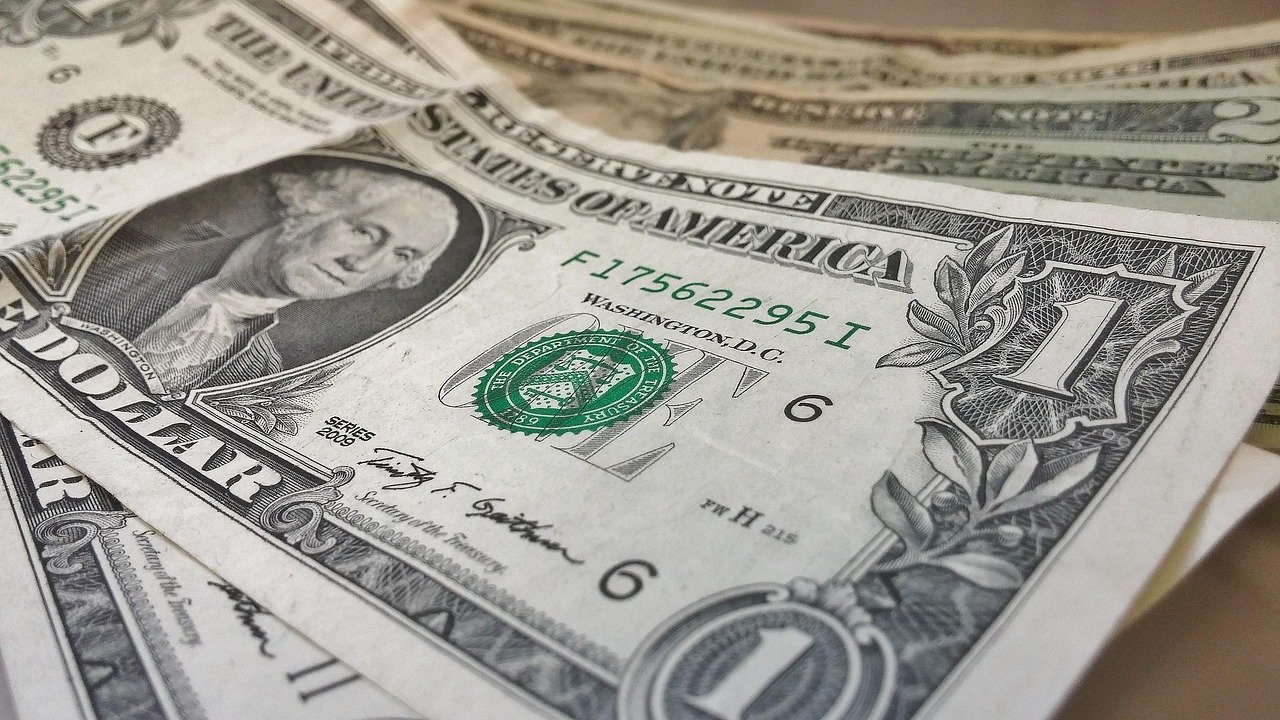
The U.S. dollar index declined on Monday, pulling back 0.4% to 99.97 as markets paused following a recent greenback rally. The euro climbed to $1.1473 against the dollar, while the British pound rose to $1.3278, reflecting broad softness in the currency amid growing global uncertainty.
Investor attention this week is firmly fixed on a series of high-stakes monetary policy meetings, with the Federal Reserve, European Central Bank, Bank of Japan, and Bank of England all scheduled to announce their latest interest rate decisions. These central bank gatherings are unfolding against a volatile geopolitical backdrop shaped by the ongoing war in Iran, which has sent shockwaves through global energy markets.
Since fighting broke out in the Middle East, oil prices have surged past the $100-per-barrel threshold, with both Brent crude and West Texas Intermediate futures remaining elevated despite some intraday pullbacks. The conflict has severely disrupted oil flows through the Strait of Hormuz — a critical chokepoint through which approximately one-fifth of the world's oil supply passes — squeezing energy supplies across Europe and Asia.
The threat of renewed inflation stemming from rising energy costs has prompted speculation that the Fed and its global counterparts may reconsider rate hike strategies. Higher interest rates typically attract foreign capital, which could strengthen the dollar over time. Sentiment toward the greenback, previously bearish, shifted notably after the conflict began.
U.S. President Donald Trump has been pushing allies, including NATO member nations, to join a naval coalition aimed at reopening the Strait of Hormuz. He also warned China that a planned April summit with President Xi Jinping could be canceled unless Beijing leverages its influence to help unblock the waterway. Reports indicate that Chinese-bound tankers have been permitted passage while others faced attacks.
Analysts at ING noted that the lack of progress over the weekend suggests a prolonged conflict, adding further uncertainty to already jittery currency and commodity markets.