


 U.S. Issues Cuba Health Alert as Illnesses Rise
  Google Changes EU Spam Policy Amid Antitrust Scrutiny
  New Zealand Moves to Ban Social Media for Children Under 16
  Merz Rejects AfD Alliance After Saxony-Anhalt Surge
  Trump Grants Clemency to Jay-Z Associate Emory Jones
  OPEC+ Expected to Hold October Oil Output Steady
  Canada Retaliatory Tariffs on U.S. Goods Take Effect
  Japan GDP Growth Beats Forecast, Boosting BOJ Rate Hike Bets
  Ecuador Backs U.S. Sinking of Vessels in Pacific Anti-Drug Operation
  Jefferies Names 6 Top India Stock Picks Across Key Sectors
  China Exports Surge 25% in August as Trade Surplus Hits $119 Billion
  Trump Targets 1,000 U.S. Space Launches Annually by 2030
  Trump Orders Major Overhaul of US Navy Shipbuilding
  USS Abraham Lincoln Leaves Thailand After Five-Day Port Visit
  ECB Set for September Rate Hike as Energy Prices Fuel Inflation
  Putin Holds ‘Highly Useful’ Ukraine Peace Talks With Trump Envoys
  US Tightens Cuba Sanctions, Targets Officials and State Entities


 Add as a preferred source on Google
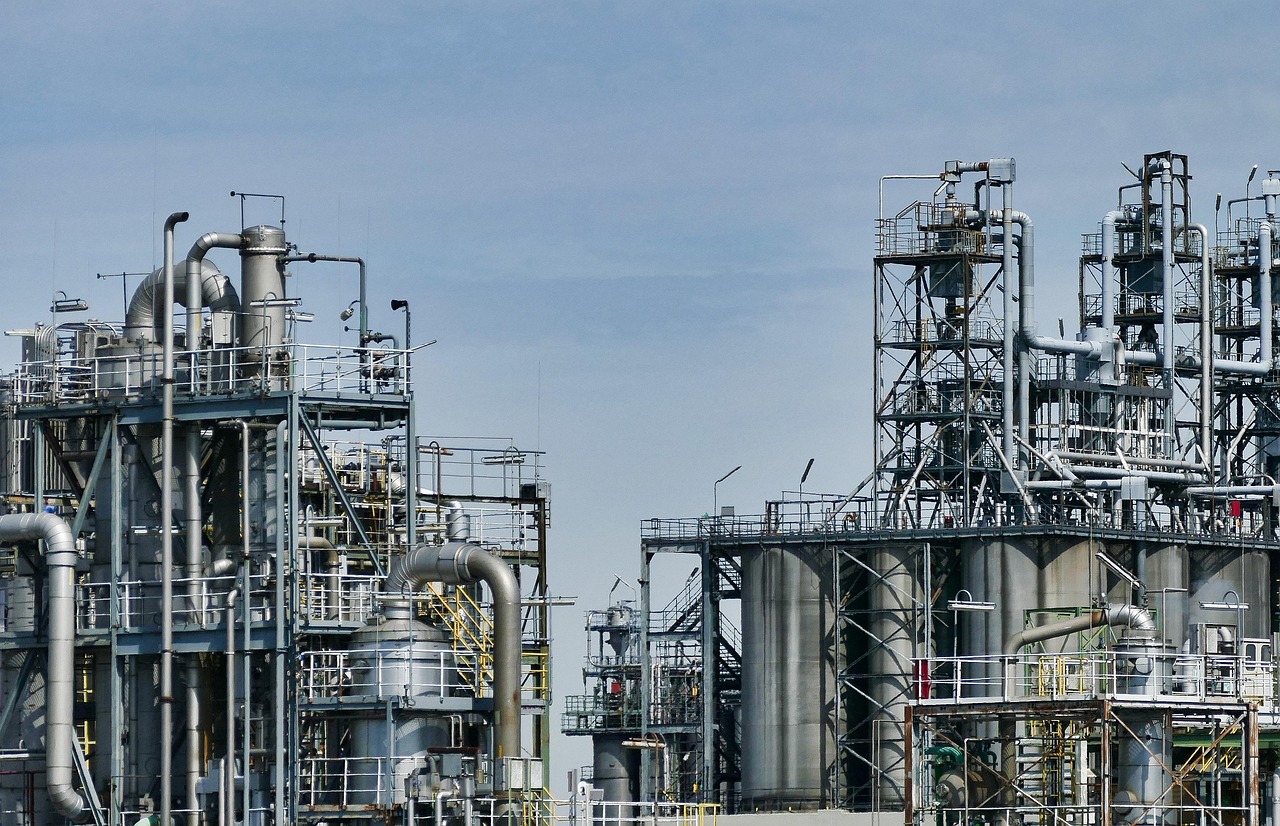
The Trump administration has eased select sanctions on Venezuela’s oil industry, signaling a major policy shift aimed at encouraging U.S. investment following the ouster of President Nicolás Maduro earlier this month. The U.S. Treasury Department issued a new general license authorizing a wide range of oil-related transactions involving the Venezuelan government and state-owned oil company PDVSA, provided they are conducted by established U.S. entities.
Under the license, U.S. companies are permitted to engage in activities such as the lifting, export, sale, transport, refining, and marketing of Venezuelan-origin oil. However, the authorization notably stops short of lifting sanctions on oil production itself. The White House has not clarified why production was excluded, leaving some uncertainty for investors assessing long-term opportunities in Venezuela’s energy sector.
The move could unlock billions of dollars in potential U.S. investment in Venezuela’s long-struggling oil industry, while clearly excluding competitors from China and Russia. This approach reinforces an “America First” strategy in the country’s reconstruction and marks a departure from the previous system of granting individual sanctions exemptions on a case-by-case basis.
Importantly, the license prohibits non-commercial payment terms, debt swaps, payments in gold, or transactions denominated in digital currencies. It also blocks any involvement by entities linked to Russia, Iran, North Korea, or Cuba, as well as Chinese-controlled companies and blocked vessels. These restrictions underscore Washington’s intent to tightly control who benefits from Venezuela’s oil reopening.
Major energy players such as Chevron, Repsol, ENI, Reliance Industries, and several U.S. oil service firms had recently sought approvals to expand exports or output from the OPEC member nation. Legal and energy analysts say the license provides long-awaited clarity for U.S. firms while maintaining strict oversight of non-U.S. participation.
The decision coincides with Venezuela’s approval of reforms to its main oil law, granting greater autonomy to private producers and formalizing production-sharing models. As the Trump administration advances a $100 billion plan to rebuild Venezuela’s oil industry and manage oil sales indefinitely, questions remain about how excluded Russian and Chinese joint ventures—responsible for roughly 22% of output—will affect PDVSA’s ability to operate and export oil efficiently.







