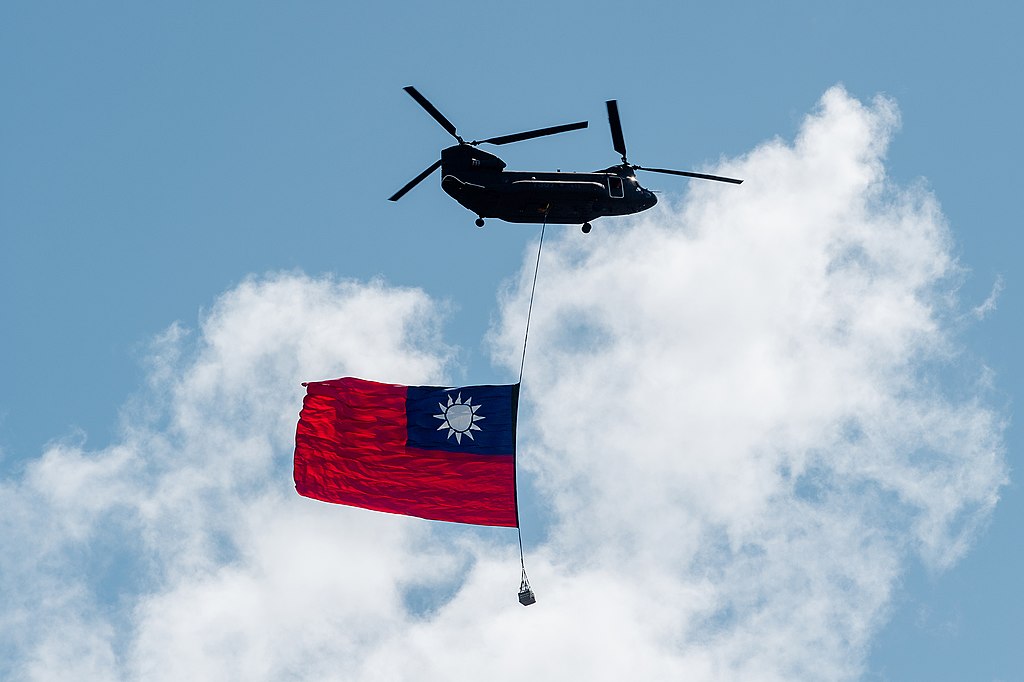
A military conflict across the Taiwan Strait could inflict greater damage on the global economy than World War Two, the top U.S. diplomat in Taipei warned on Wednesday, highlighting the importance of an upcoming U.S.-China summit in preventing dangerous miscalculations.
Raymond Greene, director of the American Institute in Taiwan (AIT), said maintaining peace and stability in the Taiwan Strait remains a critical priority for Washington as tensions between China and Taiwan continue to shape security in the Indo-Pacific.
Speaking at a defense forum in Taipei, Greene warned that the consequences of a Taiwan Strait conflict would extend far beyond the immediate human cost, potentially causing unprecedented disruption to the global economy.
Although the United States does not maintain formal diplomatic relations with Taiwan, Washington remains the democratically governed island’s most important international supporter and weapons supplier. China considers Taiwan part of its territory, while Taiwan’s government rejects Beijing’s sovereignty claims.
Greene said President Donald Trump’s administration has made preserving peace in the Indo-Pacific a major foreign policy objective, including through high-level diplomatic engagement with China.
The upcoming U.S.-China summit could help establish greater strategic stability based on fairness and reciprocity while reducing the risk of misunderstandings and miscalculations, Greene said.
Chinese President Xi Jinping is expected to visit the United States later this month for talks with Trump. Taiwan and broader Indo-Pacific security issues are likely to remain closely watched ahead of the meeting.
Greene also emphasized Washington’s efforts to strengthen its military presence and regional partnerships to maintain a favorable balance of power across the Indo-Pacific. Supporting Taiwan’s ability to defend itself remains another key part of that strategy.
Taiwan President Lai Ching-te’s government has prioritized higher defense spending and military modernization amid growing security concerns surrounding China.
Taiwan has budgeted more than T$1 trillion in defense spending for next year for the first time, underscoring Taipei’s push to strengthen its military capabilities as cross-strait tensions remain a major geopolitical and economic risk.