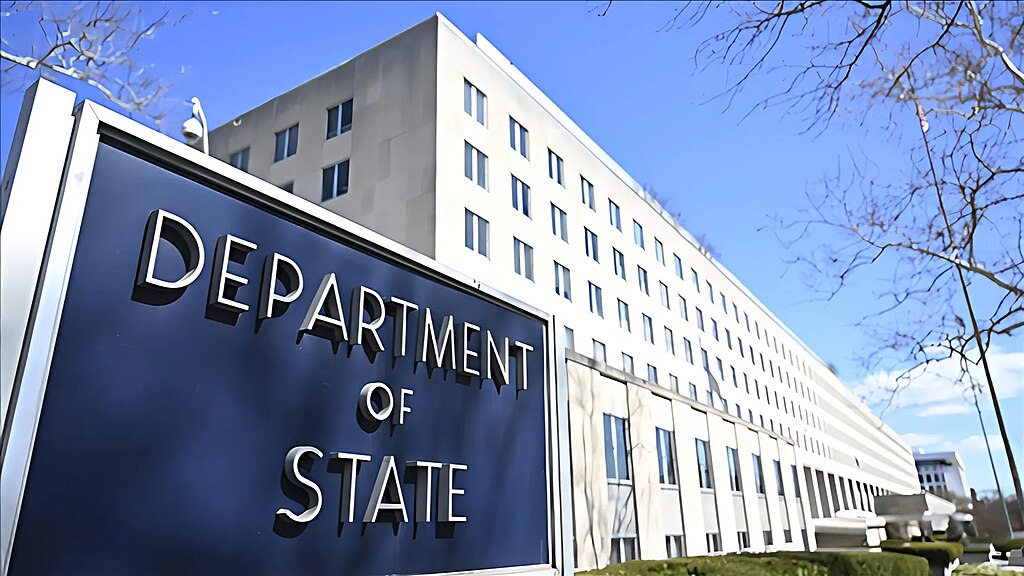
The U.S. State Department is reportedly expanding social media vetting for visa applicants to include foreign journalists seeking permission to work in the United States, marking another expansion of the Trump administration’s immigration screening policies.
The Daily Signal reported Thursday that an internal State Department memo outlined the change. Under the reported policy, foreign media representatives applying for U.S. visas would be required to make their social media accounts public so officials can review their online activity.
The screening requirements would also reportedly apply to applicants for a separate visa category covering certain workers from Canada and Mexico.
The White House and State Department shared The Daily Signal’s report on their official X accounts. However, the State Department did not confirm details of the reported memo, saying it does not comment on purported internal documents.
A State Department spokesperson said the agency conducts “online presence vetting” to determine whether foreign nationals meet U.S. visa requirements and whether they could present national security, public safety or other concerns.
Officials use multiple screening methods to evaluate applicants, prevent fraud and determine eligibility under U.S. immigration law, the spokesperson added. It remains unclear when the reported social media screening requirements for foreign journalists will take effect.
The development follows broader changes affecting foreign nationals in the United States. The Department of Homeland Security recently tightened rules concerning how long foreign journalists, international students and some other visa holders can remain in the country.
Since President Donald Trump began his second term in January 2025, his administration has increasingly considered online activity when making immigration and visa decisions. Civil liberties advocates have raised concerns that such policies could affect freedom of speech.
U.S. Citizenship and Immigration Services has previously said it would review social media activity for content it considers antisemitic or “anti-American.” The administration has also revoked visas involving foreign students who participated in pro-Palestinian activism.
In October 2025, the State Department said it revoked visas belonging to six foreign nationals over comments concerning the assassination of conservative activist Charlie Kirk, while indicating that similar online activity could continue to face scrutiny.