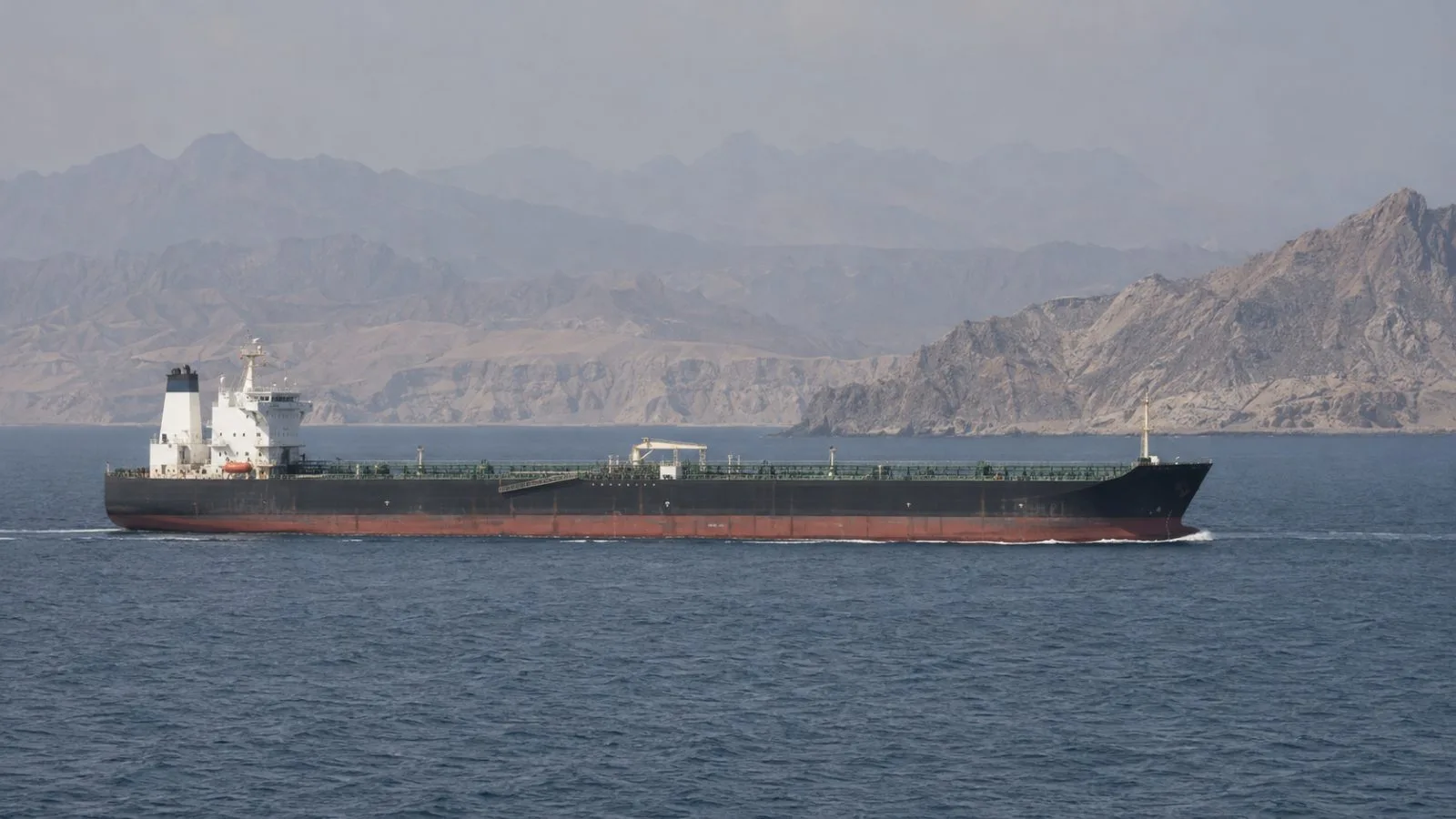
U.S. Central Command (CENTCOM) said American forces destroyed five Iranian crude oil carriers on September 8 following attempted missile attacks on a U.S. Navy warship over the previous two days.
The military action marks a significant escalation in tensions between the United States and Iran, with oil shipments and maritime security increasingly caught up in the conflict. According to CENTCOM, the Iranian vessels were targeted after U.S. forces faced repeated missile threats in regional waters.
The destruction of the five Iranian oil carriers adds to concerns about the security of vital energy shipping routes in the Middle East. The region includes the Strait of Hormuz, a critical passage for global crude oil and petroleum exports, making any escalation involving tankers or naval forces closely watched by energy markets.
CENTCOM's announcement came as hostilities between Washington and Tehran intensified, raising fears that further military action could disrupt Iranian crude exports and broader oil supplies from the Persian Gulf.
Oil traders have been closely monitoring developments in the region as the conflict increases risks to commercial shipping and energy infrastructure. Any sustained disruption to tanker traffic could tighten global crude supplies and put additional upward pressure on oil prices.
The U.S. military said the five Iranian crude carriers were destroyed on September 8, linking the strikes directly to attempted missile attacks against an American Navy vessel during the preceding two days. Further details about the locations of the strikes, the identities of the oil carriers or potential casualties were not immediately provided in the information released by CENTCOM.
The latest confrontation highlights the growing risks facing vessels operating in and around the Gulf as U.S.-Iran tensions deepen. With the region playing a central role in global energy supplies, investors and governments are likely to remain focused on any further attacks involving oil tankers, military vessels or key shipping routes.
Continued escalation could have wider consequences for crude oil prices, maritime trade and global energy security, particularly if fighting threatens the movement of oil through the Strait of Hormuz.