


 Iran Strikes U.S.-Used Jordan Base as Gulf War Escalates
  Australia Plans New Rules Giving Users Control Over Social Media Feeds
  Trump Grants Clemency to Jay-Z Associate Emory Jones
  Sun Pharma Wins U.S. Appeal in Pfizer Lipitor Antitrust Case
  New Zealand Labour Backs Social Media Ban for Under-16s
  Iran Plans New Gulf Restricted Zone as Hormuz Tensions Push Oil Higher
  Trump Imposes New Tariffs on Drone Imports Over US Security Concerns
  29 US states are suing Meta. What might it mean for the rest of the world?
  SEC Seeks ISS Client Voting Records in Proxy Adviser Probe
  Iran Says It Captured US Underwater Drone Near Strait of Hormuz
  Brazil Warns EU of Retaliation Over Animal Products Ban
  Trump’s ‘New America’ Proposal Draws Backlash in New Mexico
  Chris Hipkins Targets Cost-of-Living Relief in New Zealand Election
  Trump Threatens Bombardier U.S. Sales Ban
  Honduras Court Drops Charges Against Ex-President Juan Orlando Hernandez
  U.S. Probes Apex Logistics Over Nvidia AI Chip Shipments to China
  Judge Rejects Minnesota Bid to Force ICE Agent Extradition


 Add as a preferred source on Google
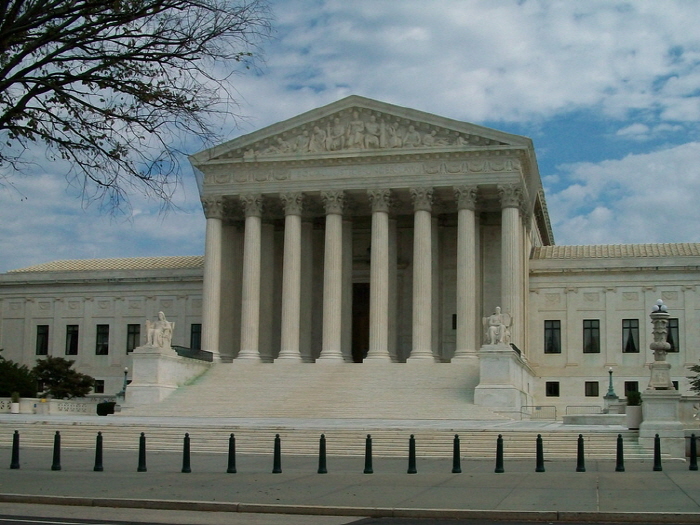
A federal judge in New York has dismissed a lawsuit filed by British anti-disinformation campaigner Imran Ahmed challenging the Trump administration’s authority to detain and deport him, potentially clearing the way for immigration enforcement against the U.S. permanent resident.
U.S. District Judge Loretta Preska in Manhattan ruled Tuesday that Ahmed may have legitimate legal claims but said a recent appellate court decision prevented her from exercising jurisdiction over his constitutional arguments involving free speech and due process.
The ruling could expose Ahmed to detention. However, Preska kept an earlier restraining order in place for five business days, giving him an opportunity to seek an appeal.
Ahmed, 47, is chief executive of the U.S.-based Center for Countering Digital Hate and lives in Washington. He holds a green card and says his wife and child are U.S. citizens.
The case comes amid continuing legal disputes over President Donald Trump’s immigration crackdown, including the administration’s use of visa and green card revocations against foreign nationals whose political activities or advocacy it considers contrary to U.S. interests.
Late last year, another federal judge temporarily prevented the administration from detaining Ahmed after he sued U.S. officials over an entry ban linked to his work combating online disinformation. Washington had imposed visa restrictions on Ahmed and four Europeans, accusing them of attempting to suppress free speech or unfairly targeting American technology companies through regulation.
In July, a federal judge separately blocked the Trump administration from implementing a policy aimed at foreign nationals who research disinformation and hate speech on social media for possible visa denials or deportation.
Green card holders generally do not require visas to remain in the United States, but the administration has pursued deportation proceedings against some permanent residents over political activity, including participation in pro-Palestinian demonstrations.
Trump has characterized some activists as “anti-American” and potential foreign policy threats. Civil liberties advocates, however, argue that targeting individuals because of their political views raises serious First Amendment and due process concerns.
The administration has also launched investigations involving activists and human rights advocates while imposing sanctions on some international judges.







