The United States announced it is moving forward with the second phase of its Gaza peace plan, even as major components of the first phase, including a full ceasefire between Israel and Hamas, remain incomplete. The decision highlights growing urgency among U.S. and regional mediators to push ahead with long-term political and security arrangements despite continued instability on the ground.
Phase one of the plan has been undermined by several unresolved issues. Israeli airstrikes have killed hundreds in Gaza since the ceasefire framework was announced, the remains of a final Israeli hostage have yet to be returned, and Israel has delayed the full reopening of Gaza’s border crossing with Egypt. These developments have strained confidence in the process, but Washington says momentum must be maintained.
In a social media announcement, U.S. special envoy Steve Witkoff said the second phase will establish a transitional technocratic Palestinian administration in Gaza and begin steps toward demilitarization and reconstruction. According to a joint statement from mediators Egypt, Qatar, and Turkey, the new Palestinian body will consist of 15 members and be led by Ali Shaath, a former deputy minister in the Palestinian Authority with experience in industrial development.
The technocratic committee is expected to operate under the oversight of an international “Board of Peace,” tasked with governing Gaza during a transitional period. Former U.N. Middle East envoy Nickolay Mladenov is anticipated to represent the board on the ground, alongside members drawn from the private sector and civil society.
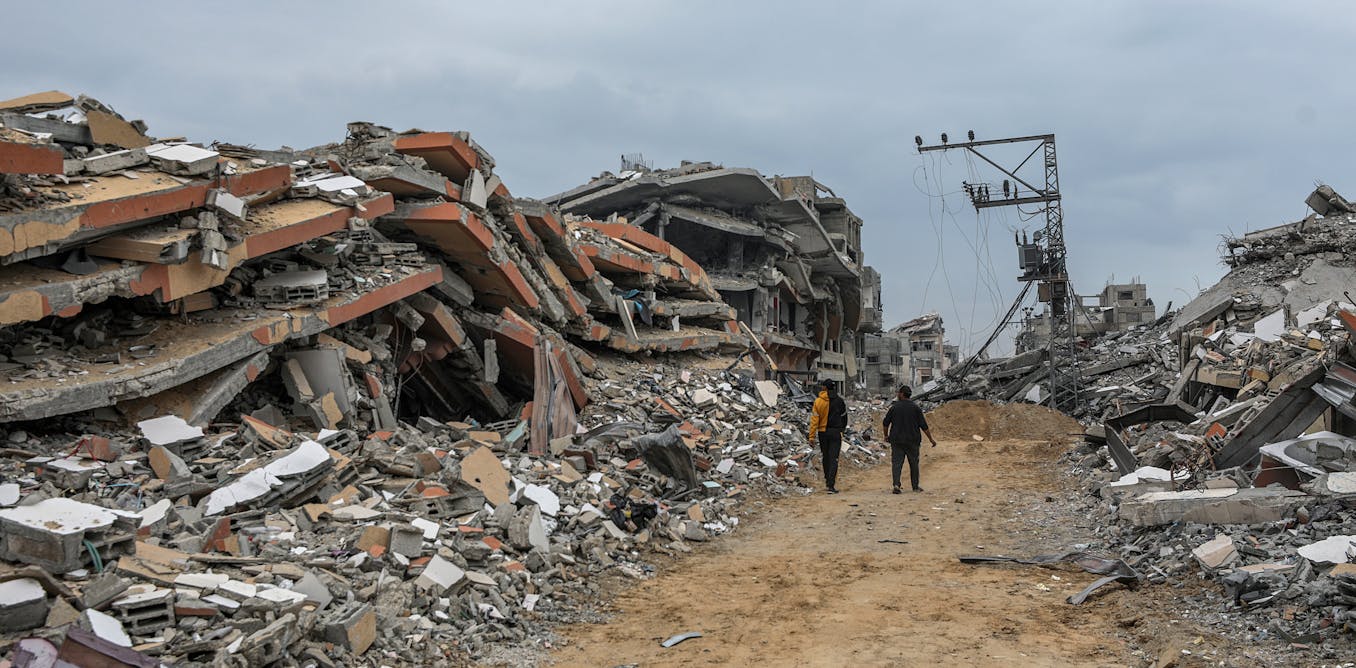
Shaath said the committee’s initial priority will be humanitarian relief, including housing solutions for displaced Palestinians living amid widespread destruction. However, rebuilding Gaza’s housing stock could take until at least 2040, according to U.N. estimates.
A central challenge in phase two is the planned demilitarization of Gaza. Hamas has agreed to transfer governance to the technocratic body but continues to refuse disarmament unless a Palestinian state is established. Talks in Cairo are now focused on this issue, with Egyptian sources saying future Israeli withdrawals are tied directly to Hamas giving up its weapons.
The Palestinian Authority has welcomed the plan, calling for unified governance and a single legitimate security framework across Gaza and the West Bank. Israeli officials have yet to comment publicly on the latest developments.