


 US Sailor’s Father Detained by Immigration Authorities
  Trump Orders Major Overhaul of US Navy Shipbuilding
  Huawei Launches Mate XT2 Foldable Phone in China
  Hormuz Shipping Slows as Iran Threats Lift Oil Risks
  U.S. Issues Cuba Health Alert as Illnesses Rise
  Qantas Near-Miss Raises Sydney Air Traffic Controller Fatigue Concerns
  SEC Proposes ‘Regulation Crypto Assets’ Framework for Crypto Fundraising
  Uranium Prices Could Top $100 as Nuclear Demand Grows
 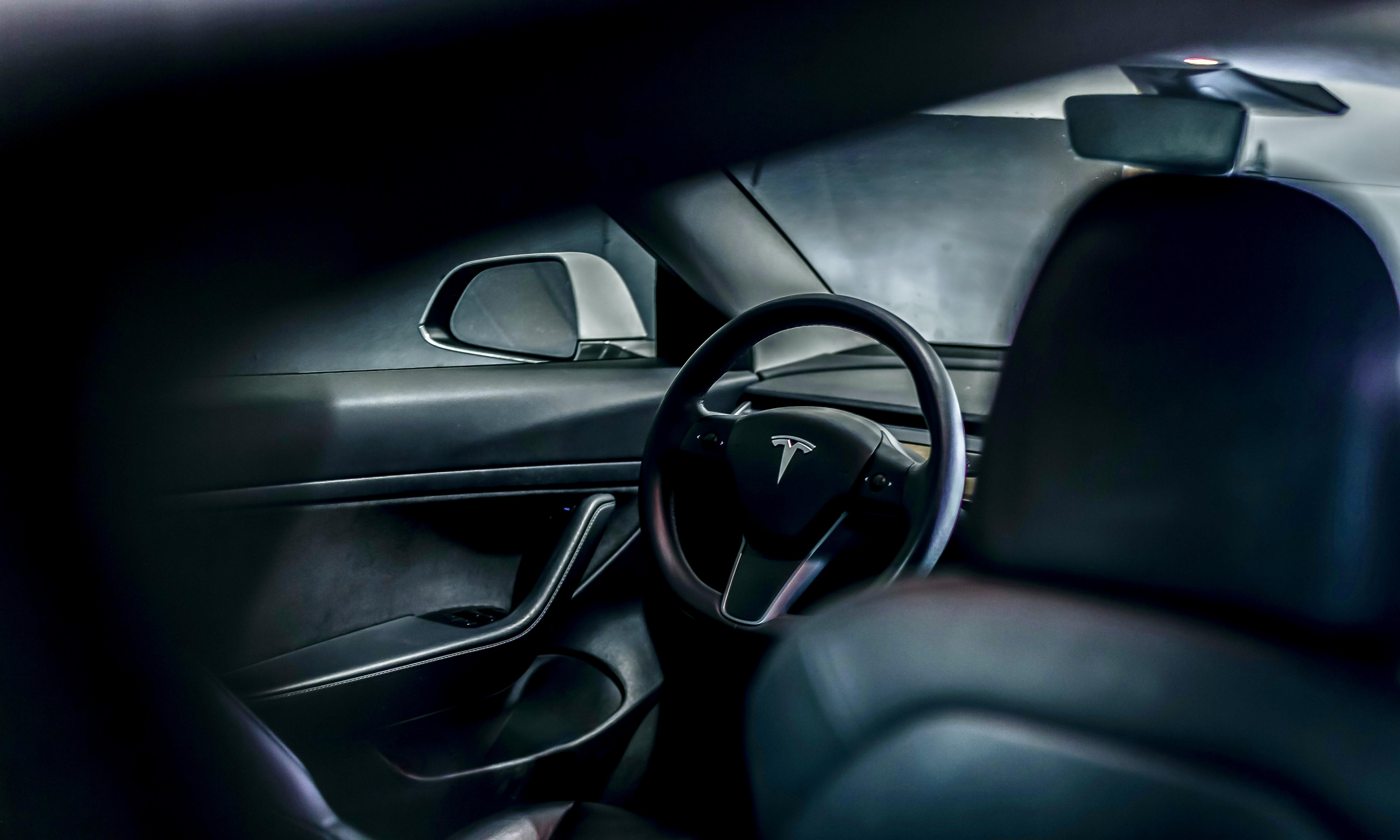 Tesla Cybercab Launch Puts Robotaxi Ambitions in Focus
  Google Changes EU Spam Policy Amid Antitrust Scrutiny
  Deutsche Telekom Shares Rise as Elliott Pushes Against T-Mobile Merger
  Canada Retaliatory Tariffs on U.S. Goods Take Effect
  South Korea GDP Surges on Chip and AI Boom
  Thomson Reuters C-Track Cyberattack Hits Courts Across U.S. and Canada
  Countries Tighten Social Media Bans for Children
  Milei Threatens Falkland Oil Firms With Sanctions
  Oil Prices Climb as Iran Threatens Gulf Energy Infrastructure


 Add as a preferred source on Google
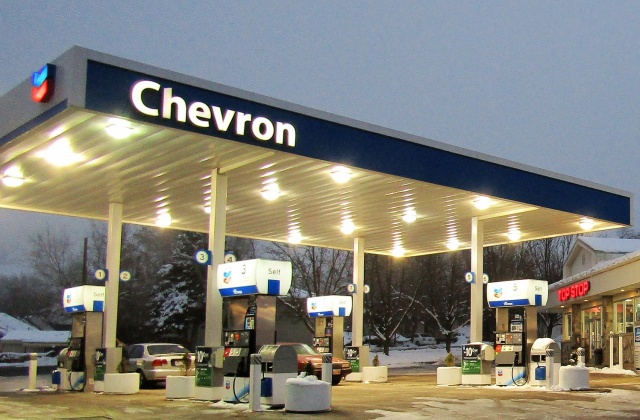
The United States is accelerating efforts to grant Chevron an expanded license for oil production in Venezuela, a move that could significantly reshape the country’s energy sector and global oil markets. U.S. Energy Secretary Chris Wright confirmed to Reuters that Washington plans to allow Chevron to compensate the Venezuelan government with cash instead of crude, enabling the U.S. oil major to sell all of the oil it produces in the country.
Under Chevron’s current license, the company has been paying royalties and taxes to Venezuela in the form of oil rather than cash. This arrangement has effectively limited Chevron’s exports to about half of its total crude production in Venezuela. The expanded license would remove that constraint, making Chevron a full marketer of Venezuelan crude and potentially boosting production and exports.
The policy shift follows major political changes in Venezuela, where the administration of former President Nicolas Maduro was removed from power earlier this month. President Donald Trump’s administration has stated its intention to re-activate Venezuela’s oil industry, which has suffered years of decline due to sanctions, mismanagement, and lack of investment. Reuters previously reported that Chevron is expected to receive authorization soon to increase output and exports under the new framework.
The U.S. has also taken direct control over Venezuela’s oil sales. After Trump said Washington would run the country’s oil industry and oversee crude marketing, officials announced plans to sell up to 50 million barrels of stranded Venezuelan oil. According to Wright, this shift has already resulted in higher prices for Venezuelan crude. Before Maduro’s removal, oil was selling for around $31 per barrel, reflecting heavy discounts. Now, the U.S. is reportedly selling the same crude at roughly a $15 discount to Brent, bringing prices closer to $45 per barrel.
Proceeds from these oil sales are being deposited into Qatari bank accounts controlled by the U.S. government, a temporary measure driven by sanctions and regulatory considerations. Wright emphasized that all funds remain under U.S. control, with the possibility of moving transactions to U.S. banks in the future.







