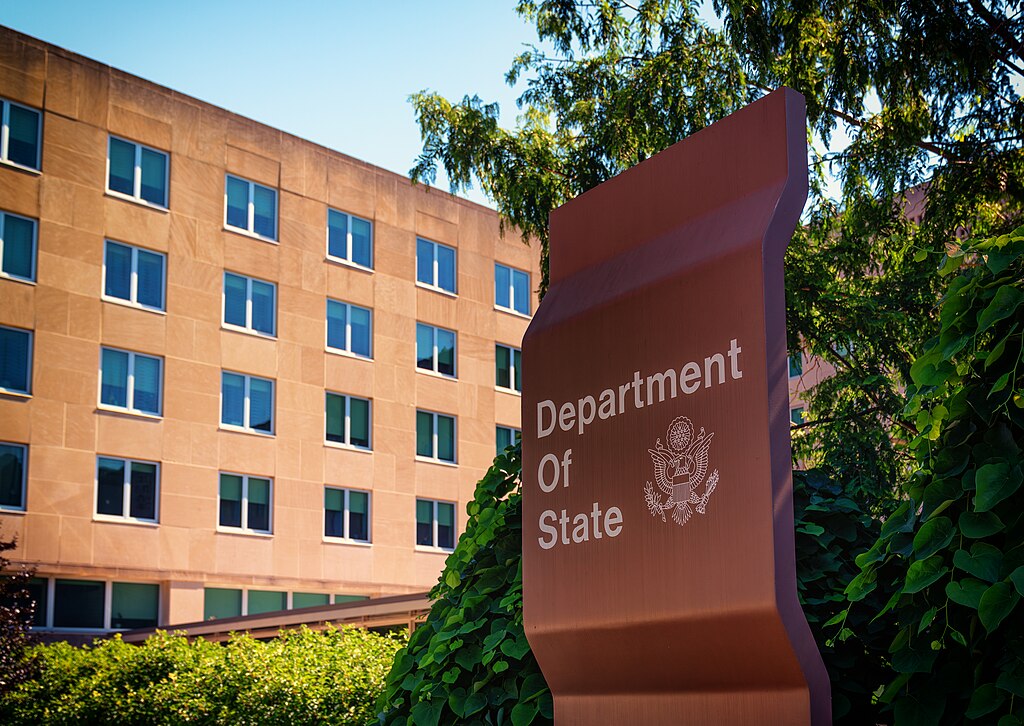
The U.S. State Department has launched a global diplomatic effort to highlight what it describes as large-scale intellectual property theft by Chinese artificial intelligence companies. According to a diplomatic cable first reported by Reuters, U.S. officials are increasingly concerned that some Chinese firms are using controversial “AI distillation” techniques to replicate advanced American technologies at significantly lower costs.
The cable, distributed to U.S. embassies and consulates worldwide, urges diplomats to warn international partners about the risks tied to AI models allegedly derived from proprietary U.S. research. While distillation—training smaller AI models using outputs from larger systems—is a widely accepted and legitimate practice in the tech industry, U.S. authorities claim it is being misused. Officials argue that certain actors are bypassing safeguards and extracting sensitive capabilities from leading American AI systems.
The concerns specifically mention companies such as DeepSeek, along with other Chinese AI startups like Moonshot AI and MiniMax. U.S. firms including OpenAI and Anthropic have previously raised similar alarms, alleging that unauthorized methods—such as fraudulent accounts—have been used to access and replicate proprietary reasoning data from advanced AI models.
This development signals a sharper stance from the U.S. government in the escalating AI competition between Washington and Beijing. The timing is notable, as it comes just weeks before a scheduled meeting between President Donald Trump and Chinese President Xi Jinping in Beijing. The renewed tensions threaten to disrupt a brief period of easing relations seen late last year.
Chinese officials have strongly denied the allegations, calling them unfounded and defamatory. However, the U.S. appears prepared to escalate the issue beyond diplomatic warnings, potentially coordinating with global allies to address AI security concerns.
For the broader AI market, this situation highlights growing risks around intellectual property protection and technological competition. As the race for AI dominance intensifies, safeguarding innovation and ensuring ethical AI development are becoming central priorities for both governments and industry leaders.