


 US Allies Fear Trump Could Soften Taiwan Stance in Xi Talks
  Trump Administration Removes Confederate Memorial Criticism From Arlington Website
  Google Changes EU Spam Policy Amid Antitrust Scrutiny
  Saudi Arabia Shuts East-West Oil Pipeline After Drone Attack
  Countries Tighten Social Media Bans for Children
  Global Poll Shows Rising Trust in Institutions as US-China Leadership Support Falls
  SEC Probes Banks Over Situational Awareness Hedge Fund Collapse
  Trump Threatens EU Tariffs Over Canada Membership Proposal
  Ukraine Tests New Anti-Drone Weapon After Successful Shahed Intercept
  Ukraine Races to Counter Russia’s Faster Jet-Powered Drones
  France Targets Shein, Temu With Fast-Fashion Fees
  US Confirms Weapons in Orbit as Space Tensions Rise
  Vietnam, U.S. Firms Plan 29 Deals Across Energy, Tech and Aviation
  Nvidia CEO Jensen Huang Expected at Trump-Xi State Dinner
  ICE Agent Arrested in Minneapolis Over Venezuelan Man Shooting
  Banking scandal rocks Brazil’s politics and the country’s presidential election in October


 Add as a preferred source on Google
The Trump administration has intensified its crackdown on Cuba by imposing new sanctions on 11 senior Cuban officials and the country’s main intelligence agency, escalating tensions between Washington and Havana. The latest move is part of a broader U.S. strategy aimed at increasing pressure on Cuba’s communist government while restricting its economic and military support networks.
According to the U.S. Treasury and State Departments, the sanctions target several high-ranking Cuban leaders, including Communications Minister Mayra Arevich Marin, National Assembly President Juan Esteban Lazo Hernandez, and Communist Party leader Roberto Tomas Morales Ojeda. Military officials Joaquin Quintas Sola and Raul Villar Kessel were also included in the sanctions list, along with other government figures accused of supporting the regime.
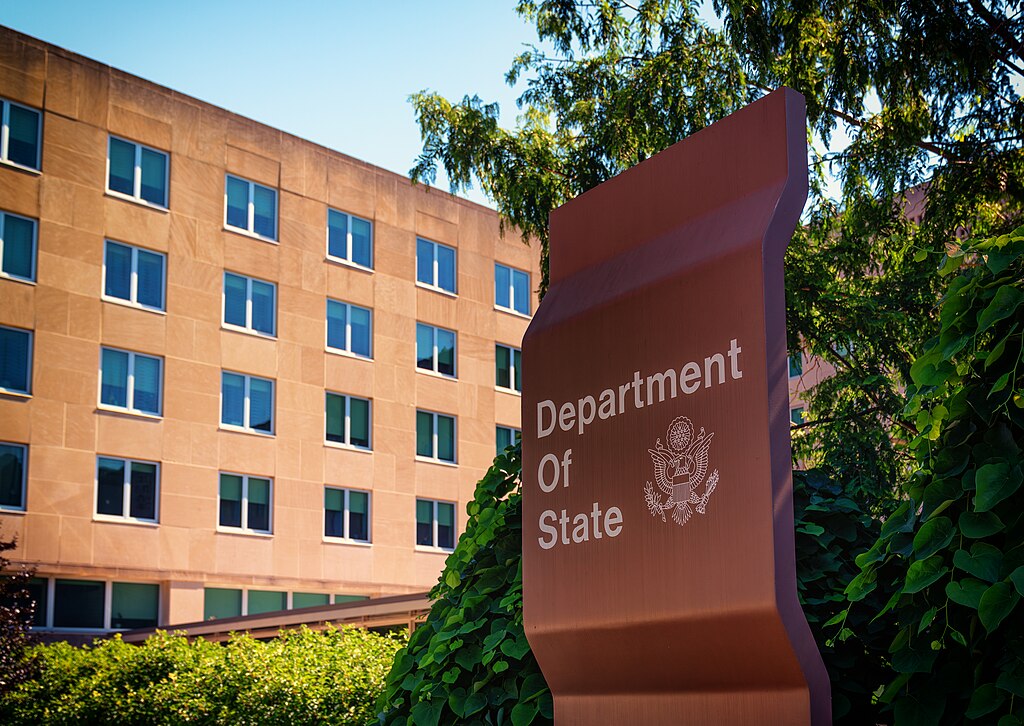
The Treasury Department also designated Cuba’s Directorate of Intelligence (DI), the country’s primary intelligence service, accusing it of involvement in foreign intelligence and military activities. In addition, the State Department sanctioned Cuba’s Interior Ministry and the Policia Nacional Revolucionaria (PNR), alleging the police force was involved in suppressing protests and operating mobile detention centers.
The sanctions follow earlier measures introduced in May after President Donald Trump signed an executive order allowing broader penalties against Cuba’s economic sectors. The order also authorizes secondary sanctions on foreign financial institutions that conduct business with sanctioned Cuban entities.
The Trump administration has continued tightening restrictions on Cuba by threatening sanctions on countries supplying oil and fuel to the island, a move that has contributed to severe energy shortages and economic instability. U.S. officials argue that Cuba’s communist leadership has prioritized ideology and elite interests over the welfare of its citizens for decades.
The State Department indicated that additional sanctions and legal actions against Cuban officials are expected in the coming weeks, signaling that Washington’s pressure campaign against Cuba is far from over.







