


 Pentagon Restarts Testosterone Testing for US Troops
  FDA Weighs Safety Standards for Psychedelic Therapies
  Trump Scales Back Endangered Species Act Protections
  North Korea Tests Drone-Missile Swarm Attack Tactics
  Colombia Extradites FARC Dissident Leader ‘Spider’ to US
  OpenAI, Anthropic CEOs Summoned to Australia AI Inquiry
  US Backs Musk in Fight Against EU’s €120 Million X Fine
  China Says U.S. Shares Responsibility for AI Governance
  China Cuts Tariffs on U.S. Farm Goods but Excludes Soybeans
  ICE Agent Arrested in Minneapolis Over Venezuelan Man Shooting
  California Bans Memecoins Issued by Public Officials Under New Law
  White House Bars CNN, MS NOW and Politico Reporters
  U.S. Imposes New Visa Restrictions Over South Africa Policies
  Taiwan Pushes Back on China’s World War Two Narrative After Trump-Xi Summit
  Evan Gershkovich Says FSB Set Trap for 2023 Russia Arrest
  Taiwan Says U.S. Arms Sales Protect Chip Supply


 Add as a preferred source on Google
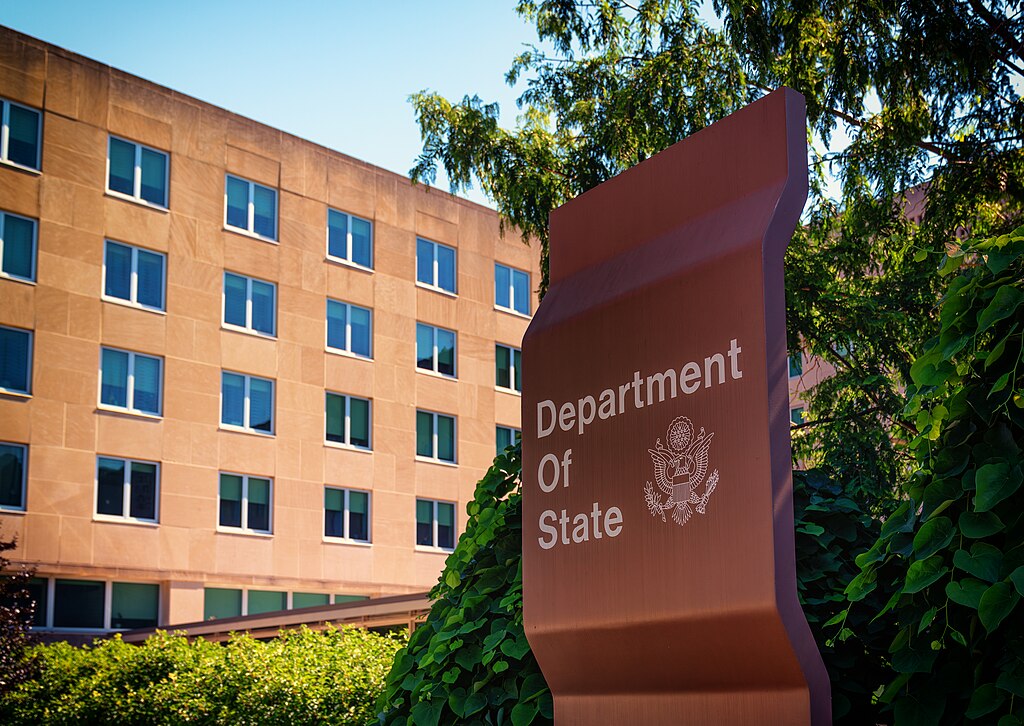
The U.S. State Department has revoked more than 175,000 visas held by foreign nationals under President Donald Trump’s administration, marking a significant expansion of the government’s immigration and visa enforcement campaign.
The State Department said Monday that visas were canceled for a range of reasons, including violations of visa conditions, criminal activity, threats against Americans, immigration fraud and national security concerns.
According to the department, most U.S. visa revocations followed encounters with law enforcement. Assault, driving under the influence, theft and drug-related offenses were among the most common reasons cited for losing visa privileges.
Officials highlighted several serious cases, including foreign nationals accused of felony rape and sexual battery, kidnapping and human trafficking, as well as an individual facing more than a dozen charges related to possession of child sexual abuse material.
The department also said a U.S. embassy in North Africa revoked more than 100 visas belonging to parents accused of engaging in so-called “birth tourism.” Authorities alleged the individuals traveled to the United States primarily to give birth so their children could obtain U.S. citizenship.
Visa action has also extended to foreigners accused of endorsing political violence. The State Department said multiple people had their visas revoked after allegedly celebrating the assassination of conservative activist Charlie Kirk, including one person who reportedly said Kirk had “died too late.”
The latest figure represents a sharp increase from January, when the State Department announced that more than 100,000 visas had been revoked, which was described as a record at the time.
The surge in visa cancellations is part of the Trump administration’s broader immigration crackdown following his return to the White House. The administration has pursued large-scale deportations while imposing stricter requirements on foreign travelers and immigrants seeking permission to enter or remain in the United States.
Visa applicants are also facing expanded screening procedures, including tighter reviews of social media activity. Rights advocates and human rights experts have criticized the increased social media vetting, arguing that such measures could undermine free speech and subject immigrants and foreign visitors to excessive surveillance.







