


 NEAR Price Surges 11% as Trading Volume Doubles
  Hong Kong’s Second Solana ETF Launches With Lower Fees
  Bumble Shares Surge 50% on $1 Billion Buyout Talks
  Moonshot AI Executives Seek Settlement Ahead of Hong Kong IPO
  DeFi Development Adds 22,070 SOL to Solana Treasury
  Crypto Derivatives Dashboard: Bulls Retain Control Amid $488M Liquidation Flush
  OpenAI Annualized Revenue Hits $50 Billion, Below Earlier Estimates
  Ripple-Backed Evernorth Set for Nasdaq Debut With 473 Million XRP
  TSMC Profit Set to Surge 65% as AI Chip Demand Drives Record Earnings
  Solidigm Taps Goldman, Morgan Stanley for $10 Billion US IPO
  Apple Supplier Luxshare Faces US Patent Probe, Sees Limited Impact
  FAA Warns US Airlines Over Saudi Arabia Flight Risks
  Nasdaq Faces Pullback to 26,225 Despite Bullish Outlook, UBS Says
  Elon Musk Accuses Indian Telecom Giants of Blocking Starlink Launch
  Meta Launches Muse Wonder AI Models, Shares Rise 3.7%


 Add as a preferred source on Google
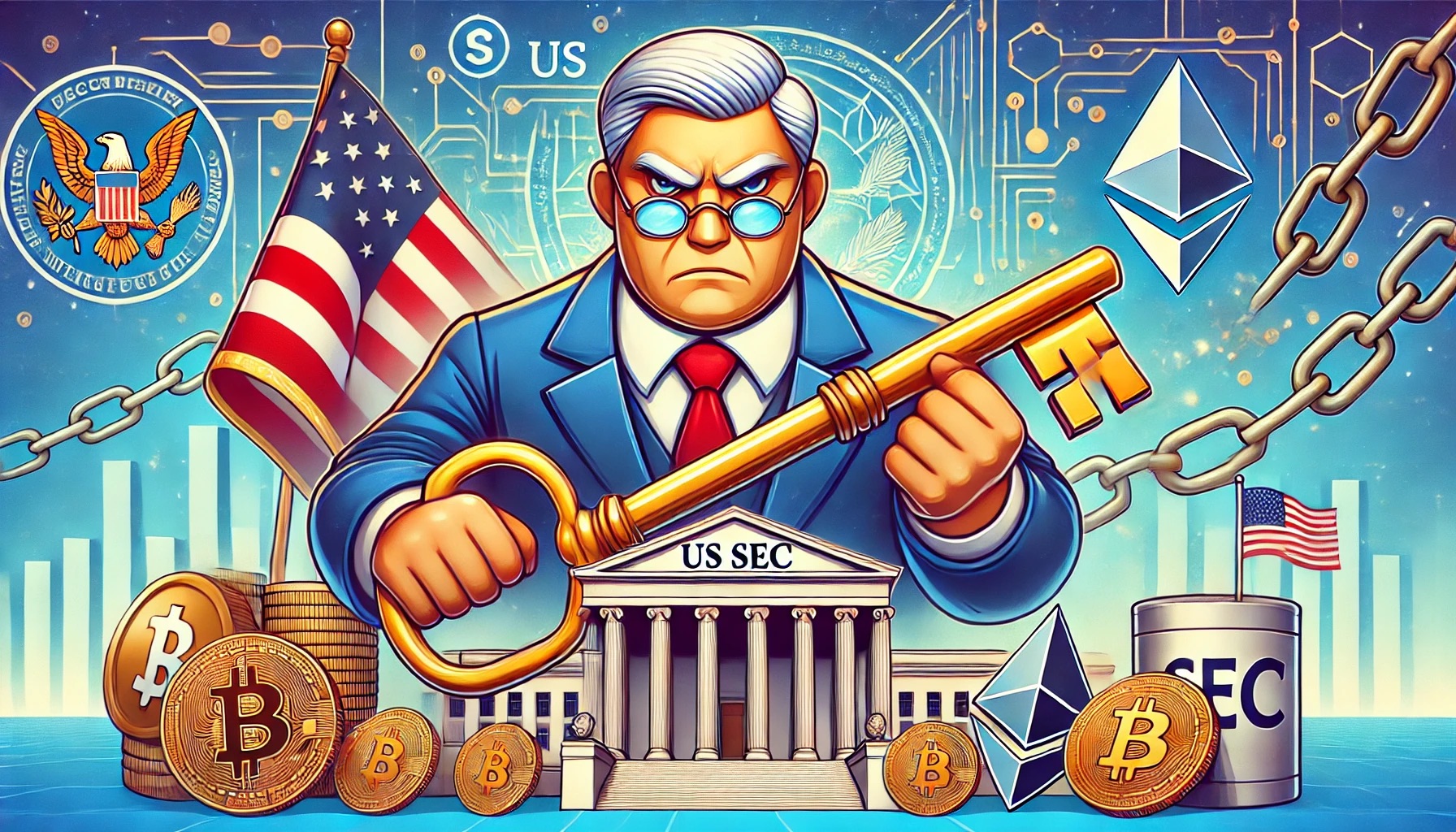
The US SEC has revoked Salt Blockchain's securities license, citing the crypto lender's failure to submit required reports since late 2021. The move underscores the SEC's increasing oversight of the cryptocurrency industry amid concerns of regulatory overreach.
SEC Targets Crypto Lender
In recent news, the US SEC revealed that it had withdrawn Salt Blockchain's securities registration. The crypto lender, situated in Delaware, is under scrutiny because, according to the report, it did not meet the standards for legal reports.
In violation of Section 13(a) of the Securities Exchange Act of 1934 and other regulations, the firm has not submitted periodic reports since December 31, 2021, according to the order.
Securities License Revoked
An important consequence of the firm's failure to comply with reporting requirements is the revocation of its securities license by the relevant regulatory body.
At the same time, Salt Blockchain seemed to have overcome the regulatory challenges it encountered in 2020. Plus, there was a time when the business actively sought for possible purchasers. Nevertheless, the most recent regulatory action brings attention to the firm's persistent difficulties with compliance.
September 6, 2024: Revocation Date
According to Coingape, the revocation took effect on September 6, 2024, which is a major setback for Salt Blockchain as it deals with regulations.
Notably, the order demonstrated that the agency has the right to suspend or freeze a securities license if an issuer fails to maintain the legal standards, as granted by Section 12 (j) of the Securities Exchange Act.
Concerns Over SEC’s Enforcement Approach
Many are questioning the SEC's stance on crypto regulation in light of their most recent move against Salt Blockchain. Some feel that the SEC's enforcement approach is overly harsh and could prevent the digital assets market from fostering innovation and growth.
A large portion of the cryptocurrency community sees these moves as another regulation overreach. It is worth mentioning that the agency has lately been under fire for delivering a Wells Notice to OpenSea, which specifically targets NFTs.
Furthermore, VariantFund's Chief Legal Officer Jake Chervinsky pointed out that the US SEC and CFTC, among others, may step up their enforcement activities in the weeks leading up to September 30, when their fiscal year ends.
According to Chervinsky, regulatory agencies typically step up enforcement actions in the days leading up to fiscal deadlines in order to improve performance indicators for evaluations of the budget. A recently published X post by the CLO stated:







