


 UK Warned Over Growing Reliance on US Cloud Providers
  Pentagon Launches Autonomous Warfare Command
  Ovechkin Faces Scrutiny Over United Russia Campaign Video
  Illinois Delays Crypto Tax Law Until July 2027
  Ethiopia-Tigray Fighting Intensifies as Airstrikes Kill 17
  US DOT Ends Airline Privacy Review Without Enforcement
  U.S. Plans $115 Million Counter-Drone Investment to Secure FIFA World Cup and Major National Events
  Vance Demands Iran Cut Nuclear Enrichment to End War
  Samsung, SK Hynix Shares Fall Ahead of Q3 Earnings
  Kalshi Wins CFTC Approval for S&P 500 Perpetual Futures
  Zcash Prepares for NU7 Upgrade as Zebra Gets Key Security Fixes
  Los Angeles Mayor Says White House Must Reassure Fans Ahead of FIFA World Cup
  FIFA Faces Investigation Over 2026 World Cup Ticket Pricing and Seat Allocation Issues
  JPMorgan CEO Jamie Dimon Warns Mythos AI Raises Cyber Risk Tenfold
  Amazon Eyes $8 Billion Nvidia Chip Spinoff to Fund AI Expansion
  Firmus Grid IPO Draws Strong Demand, Nvidia and Blackstone Could Raise Stakes
  Trump to Host UFC Event at White House on His 80th Birthday


 Add as a preferred source on Google
U.S. authorities have seized nearly 400 internet domains that were allegedly used to illegally stream FIFA World Cup matches, marking one of the largest anti-piracy enforcement actions tied to the global soccer tournament. The operation aims to disrupt international copyright infringement networks that profit from unauthorized live sports broadcasts while protecting fans from potential cybersecurity threats.
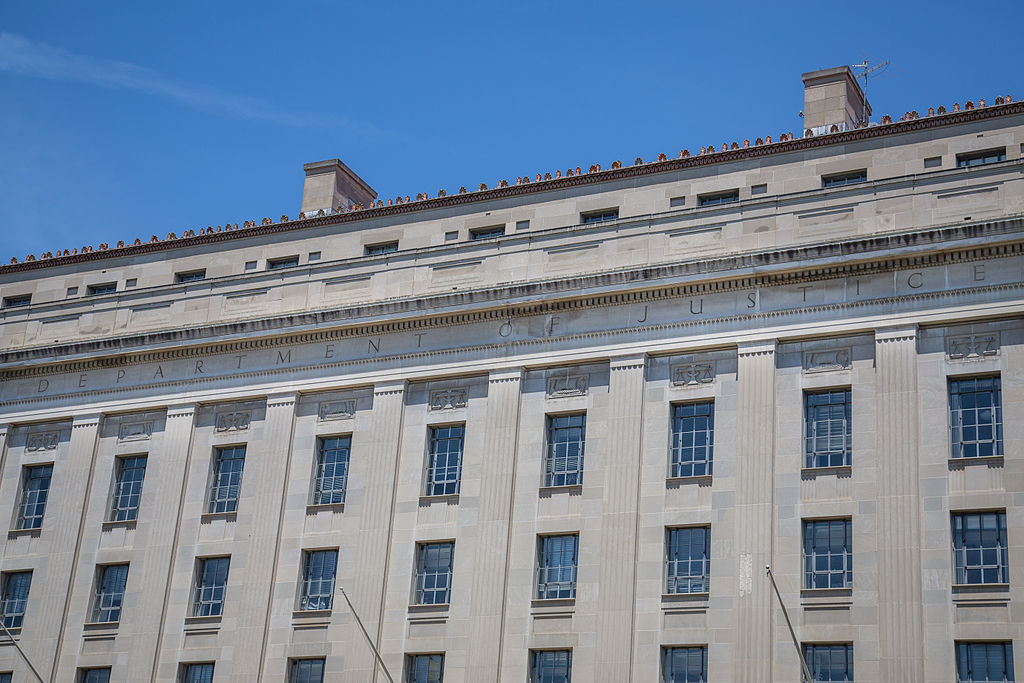
According to the U.S. Department of Justice (DOJ), the domains were identified through a collaborative effort involving FIFA, NBCUniversal, Warner Bros., and other partners. Investigators determined that the websites were providing unauthorized real-time streams of FIFA World Cup matches, allowing users to access copyright-protected content without permission from official broadcasters.
Federal officials said the crackdown targeted servers and domain infrastructure connected to illegal streaming operations in Peru and Bulgaria. Authorities also carried out related enforcement actions in Croatia, Romania, Poland, and Colombia as part of a coordinated international effort to combat digital piracy.
Eric Weindorf, Special Agent in Charge at Homeland Security Investigations (HSI), warned that illegal streaming platforms pose risks beyond copyright violations. He said these unauthorized websites can expose users to malware, insecure internet connections, and cyberattacks that may compromise personal information and financial data.
The DOJ emphasized that protecting intellectual property rights is essential for broadcasters, sports organizations, and content creators that invest heavily in securing exclusive media rights. Officials added that international cooperation remains critical in identifying and dismantling piracy networks operating across multiple countries.
The FIFA World Cup, which began on June 11 across the United States, Canada, and Mexico, continues through July 19, with matches taking place in 16 host cities. The tournament has already broken attendance records, according to FIFA, while television viewership has surged. Nielsen data showed that recent World Cup broadcasts ranked among the most-watched television programs, with the United States' victory over Australia attracting the largest audience.
The latest domain seizures highlight the U.S. government's ongoing commitment to protecting digital content, enforcing copyright laws, and safeguarding consumers from the growing risks associated with illegal online streaming services.







