


 Judge Blocks Trump Rule Limiting Foreign Student Visas
  New Zealand Moves to Ban Social Media for Children Under 16
  Trump Administration Removes Confederate Memorial Criticism From Arlington Website
  Trump Administration Pauses Visa Appointments Worldwide
  Trump Touts $5,000 Checks if Republicans Win Congress
  Trump Rejects Calls for Tougher AI Regulation
  Countries Tighten Social Media Bans for Children
  UK PM Andy Burnham Set for First Trump Meeting in New York
  29 US states are suing Meta. What might it mean for the rest of the world?
  Nvidia CEO Jensen Huang Expected at Trump-Xi State Dinner
  OpenAI Rejects Apple Trade Secret Theft Claims
  U.S. Probes Apex Logistics Over Nvidia AI Chip Shipments to China
  Saudi Arabia Shuts East-West Oil Pipeline After Drone Attack
  US Bans Canadian Alcohol, Motorcycles as Trade War Escalates
  Europe can’t achieve space sovereignty alone. Here’s why
  Google Changes EU Spam Policy Amid Antitrust Scrutiny
  Vietnam, U.S. Firms Plan 29 Deals Across Energy, Tech and Aviation


 Add as a preferred source on Google
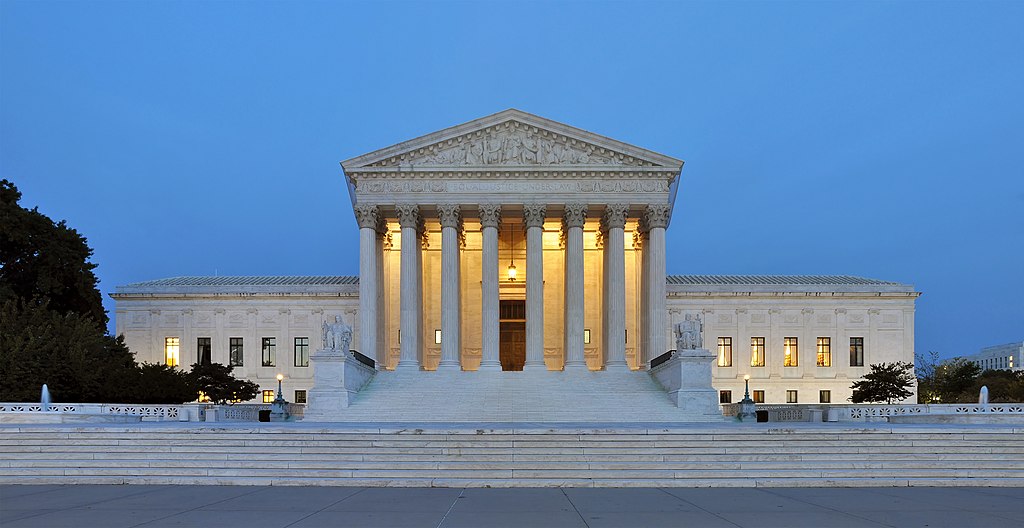
The U.S. Supreme Court declined to temporarily block a $655.5 million judgment against the Palestinian Authority (PA) and the Palestine Liberation Organization (PLO), allowing the damages award to remain in effect while the organizations pursue an appeal.
Justice Sonia Sotomayor rejected the emergency request on Monday without providing an explanation and did not refer the matter to the full Supreme Court. The ruling stems from a civil lawsuit filed on behalf of Americans who were killed or injured in a series of shootings and bombings in the Jerusalem area between 2002 and 2004.
The case was originally decided in favor of the plaintiffs in 2015, when a New York federal court awarded more than $655 million in damages. However, the 2nd U.S. Circuit Court of Appeals overturned the verdict in 2016, ruling that the federal court lacked jurisdiction. The Supreme Court declined to review that decision in 2018.
Congress later enacted the Promoting Security and Justice for Victims of Terrorism Act of 2019, expanding the ability of American victims to pursue claims against Palestinian authorities. The law treats the PA and PLO as consenting to U.S. jurisdiction if they engage in certain activities in the United States or make payments linked to attacks on Americans.
In June 2025, the Supreme Court unanimously upheld the law, leading the 2nd Circuit to reinstate the original judgment in March. The Palestinian organizations are now appealing that decision while seeking to delay enforcement.
The PA and PLO argued that collecting the judgment would inflict severe financial damage, threaten essential public services in the West Bank, and undermine regional stability. They said the plaintiffs intend to seek payment from Palestinian tax revenues collected by Israel, a major source of government funding for security, education, and sanitation services.
The organizations also contended that the judgment had effectively become void after earlier appeals concluded in 2018. Despite those arguments, Sotomayor declined to pause enforcement, allowing the legal battle over the multimillion-dollar terrorism-related damages award to continue.







