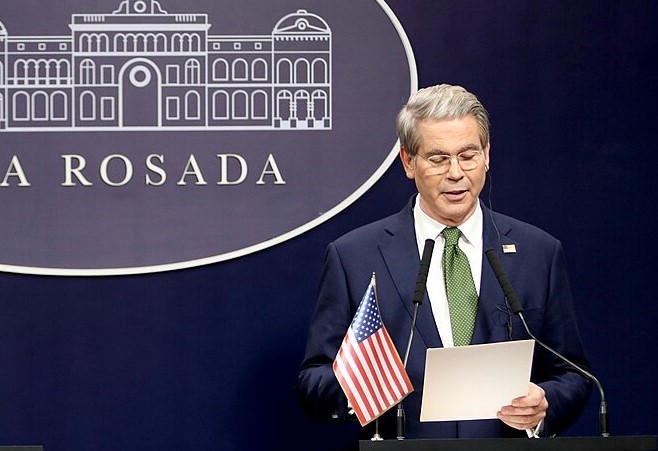
The U.S. Treasury has sufficient funds to cover any potential tariff refunds if the Supreme Court rules against President Donald Trump’s use of emergency powers to impose broad tariffs, Treasury Secretary Scott Bessent said in an interview with Reuters. However, Bessent noted that any repayments would not happen immediately and could be spread over weeks, months, or even more than a year.
Bessent emphasized that he remains skeptical the Supreme Court will ultimately rule against Trump’s emergency tariffs, which were imposed under the International Emergency Economic Powers Act. According to him, even if the court delivers an unfavorable decision, the outcome may be nuanced rather than a straightforward approval or rejection, potentially complicating the refund process for importers.
Addressing concerns from businesses and trade lawyers, Bessent described potential refunds as a “corporate boondoggle,” arguing that many companies likely passed tariff-related costs on to consumers. He questioned whether firms seeking refunds would return that money to customers, citing retailers such as Costco, which is involved in litigation challenging the tariffs. From his perspective, refunding companies that already offset costs through higher prices would not benefit consumers.
Bessent also pushed back against claims that Trump’s tariffs contributed significantly to inflation. He stated that there has been “very, very little, if any, pass-through” of tariffs to consumer prices and noted that goods inflation has remained below overall headline inflation. These comments come amid ongoing debate over the economic impact of U.S. tariffs on global trade and domestic prices.
While importers expected a Supreme Court decision on the tariff case recently, the court instead issued a ruling on a separate matter, leaving the timing of a decision uncertain. Bessent suggested that the longer the delay continues, the more likely it is that the court will rule in favor of the Trump administration.
As of Thursday, the U.S. Treasury held nearly $774 billion in cash, more than enough to manage any potential tariff refunds. Bessent stressed that even if refunds are required, the process would be gradual and manageable, ensuring that Treasury operations would not be disrupted.