Restrictions on access to US technology risk pushing companies operating in China toward Chinese artificial intelligence models, WPIC Marketing and Technologies’ co-founder and chief executive said at a business summit on Nov. 17.
The restrictions affect access to tools used by businesses, including American companies operating in China. Clients want opportunities to discuss the changes with policymakers and understand how the measures affect their operations.
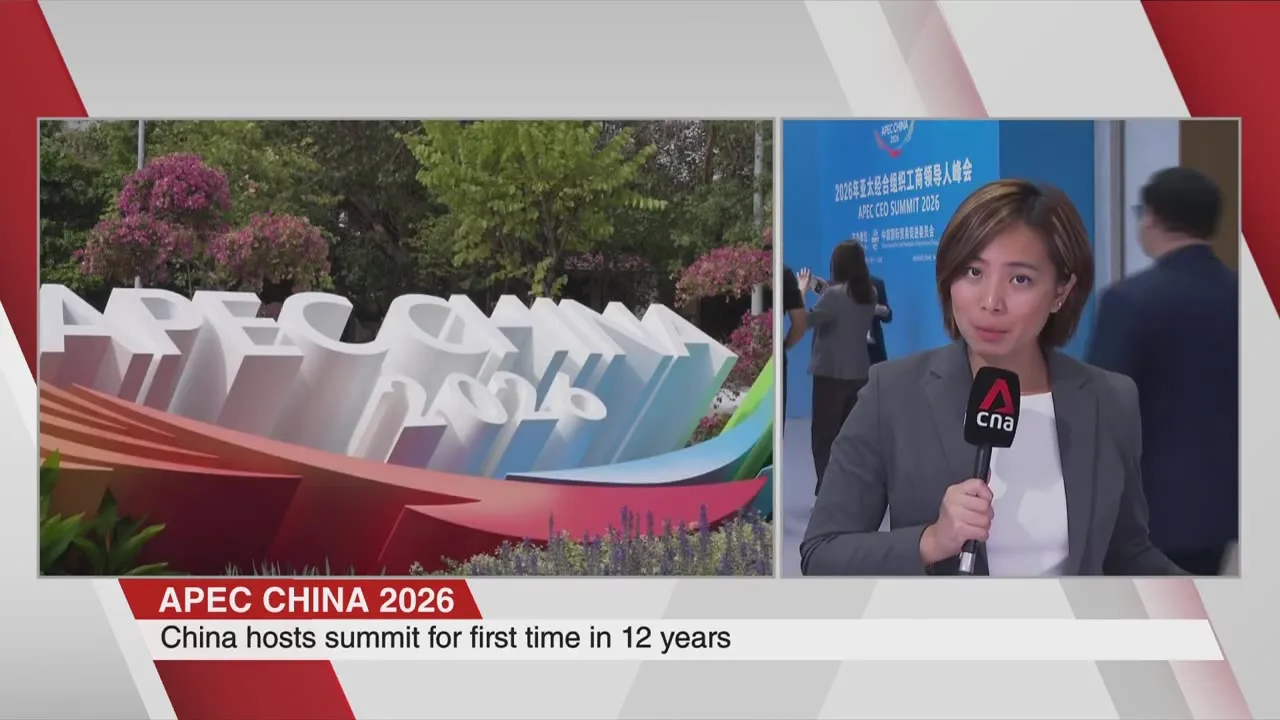
The remarks appeared in CNA’s “US chip curbs spark business uncertainty as Shenzhen rolls out welcome for APEC leaders,” covering the Asia-Pacific Economic Cooperation CEO summit in Shenzhen.
WPIC helps businesses expand across Asia. Its chief executive described confusion among clients over the latest controls, alongside acceptance of the need to regulate artificial intelligence and concern about how authorities implement those rules.
“These are huge mistakes,” he said of further restrictions on access to technology tools. He also raised concerns about restrictions in China on products built using Anthropic’s technology, including products used by American companies.
“That’s not ideal for how we operate over here,” he said. He expected companies facing those restrictions to turn to Chinese models, describing that shift as something businesses would be forced to make.
The latest chip export controls also include licensing requirements for shipments to Singapore, Malaysia and Thailand. Their reach puts the consequences beyond China on the agenda for businesses attending from across the region.
The summit was expected to draw representatives from 115 Fortune Global 500 companies, with American firms accounting for nearly one in five foreign corporate participants, CNA reported. Executives from Qualcomm, Google and Xiaomi were among those attending.
The talks preceded a meeting between the US and Chinese presidents later in the week. Restrictions on chip exports and access to rare earths were expected to feature in those discussions.
Shenzhen is home to Huawei and BYD, among the Chinese companies facing US government scrutiny. Some of their chief executives were attending the summit and were scheduled to speak in panel discussions.
The WPIC executive hoped US officials would engage with Chinese business leaders. Differences between governments did not necessarily mean businesses disagreed, and he described business partnerships as good.
He wanted dialogue to help companies cooperate and resolve practical difficulties. His remarks left open whether officials would meet those executives, whether restrictions would change and how businesses would secure continued access to the tools they use.