Residents of Russian-occupied Ukraine who lack Russian passports face possible expulsion, job loss and property seizure, Ukraine’s Defence Intelligence said after Russian officers raided occupied areas in an October operation.
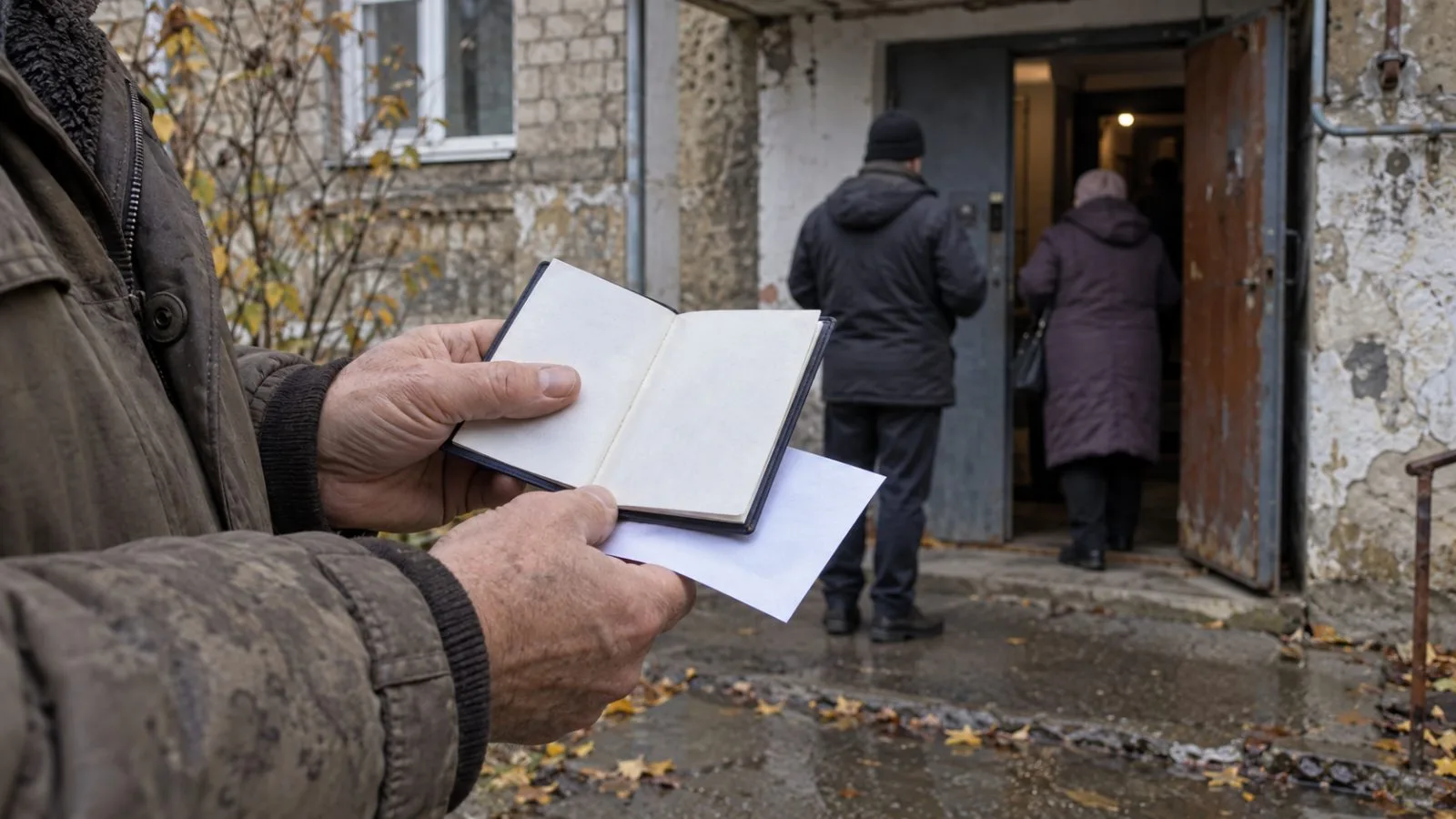
The agency, known as HUR, said Russian police and Federal Security Service (FSB) officers carried out raids from Oct. 1-10 under an operation called “Illegal-2026.” It said the operation targeted residents who had refused Russian citizenship. HUR said occupation authorities apply Russian migration law to people without Russian passports, treating them as foreign citizens. Residents may be pressured to accept Russian citizenship or face expulsion, dismissal from work and property seizure, it said. The agency provided no count of raids or people affected.
In occupied Luhansk, HUR said, security personnel checked minors’ documents. Parents who refused to obtain Russian passports for their children were threatened with fines, imprisonment and loss of parental rights, it said. The agency did not give a count of families affected.
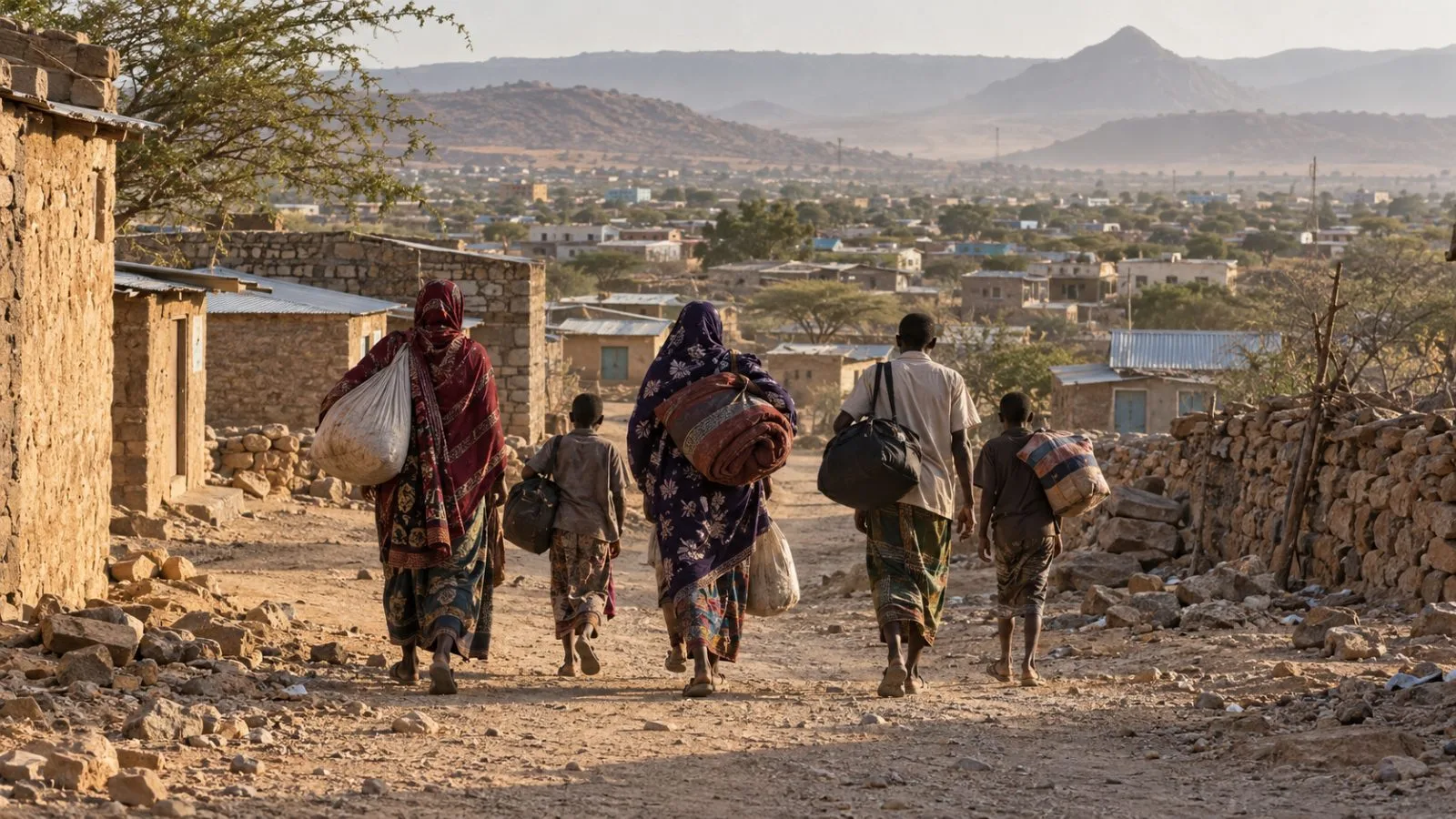
The U.N. Human Rights Monitoring Mission in Ukraine said in a March 20 release that discriminatory policies had driven thousands from their homes and made it harder for more than 870,000 internally displaced people to return to occupied territory. The mission said people without Russian passports faced restrictions on health care, pensions, social security, employment and property ownership.
Danielle Bell, head of the U.N. Human Rights Monitoring Mission in Ukraine, said some people had fled because they “could not — or would not — comply with unlawful requirements imposed by the occupying power.” A U.N. report traces the imposition of Russian governance, administration, justice and education systems in occupied territory to Russia’s 2014 occupation of Crimea.
Lugansk Information Center reported that Taras Babenko, acting head of the immigration-control department in the Russian-installed Luhansk authorities’ migration directorate, described a June 1-10 phase of the campaign. Babenko said officials drew up more than 300 administrative protocols, expelled more than 40 people, checked more than 1,600 sites and examined about 1,000 foreign nationals. His account did not specify how many of those expelled were Ukrainians who had refused Russian passports.