Major General Vadym Skibitsky, deputy chief of Ukraine’s military intelligence service, told The Times that Russia’s planned Rassvet network could extend drone operations across Europe. The Independent reported the warning on Nov. 26.
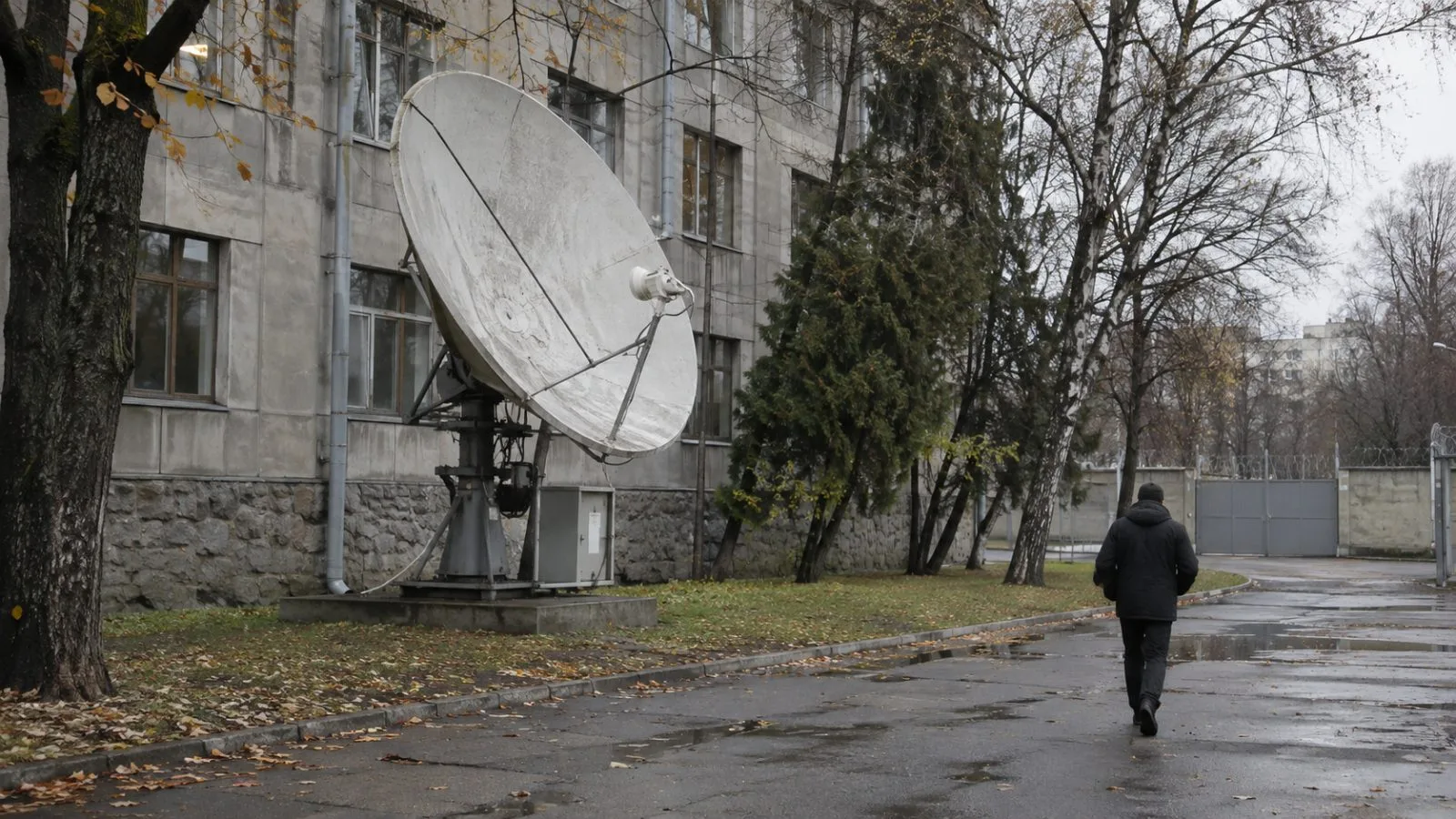
Skibitsky said Russian President Vladimir Putin has a 10-year plan running to 2035 under which he hopes to deploy 924 satellites. He said the system could let Russia direct naval and aerial unmanned systems beyond the Black Sea, including in Europe, Africa, the Middle East and the Far East.
He said a Russia-based operator could eventually control a drone near London traveling at up to 250 kilometers per hour. Ukraine’s military intelligence service has identified 49 Russian businesses involved in expanding the network, Skibitsky said.
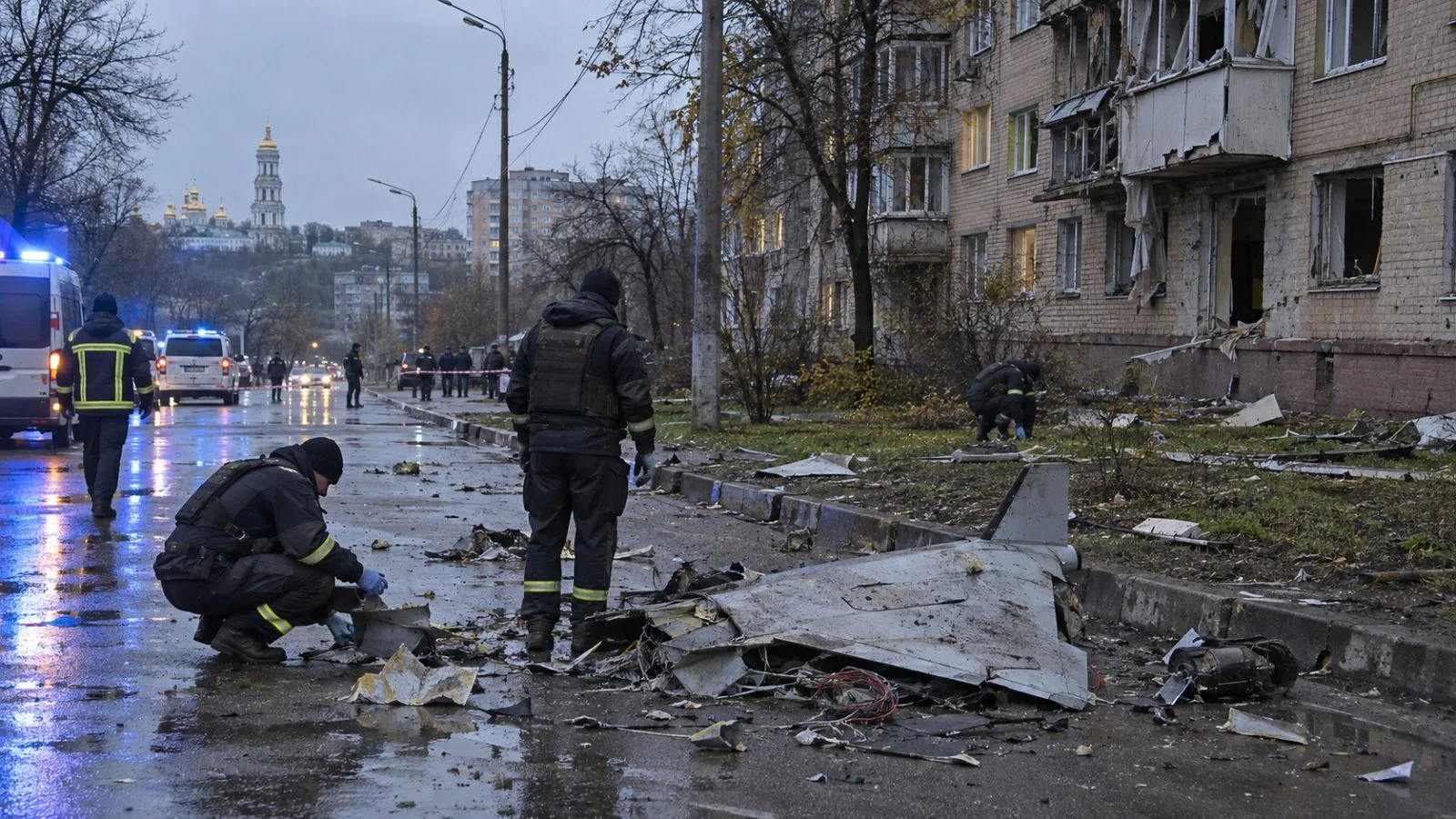
Some Iranian-made Shahed drones, designated Geran by Russia, can already cover up to 2,000 kilometers while carrying a 50-kilogram warhead. Moscow and London are about 2,500 kilometers apart in a straight line. These one-way drones generally are not remotely piloted and instead follow predetermined targets.
A joint report by Germany’s NDR, WDR and Sueddeutsche Zeitung said the German military and Federal Intelligence Service had warned other NATO members that Russia could put a satellite carrying a nuclear warhead into orbit by the end of 2026. The Kremlin said the reports should not be taken seriously.
Separate satellite images of Russian military facilities have also focused attention on the RS-28 Sarmat, a nuclear-capable intercontinental ballistic missile. The International Institute for Strategic Studies said this month that the missile could be entering service with Russia’s 62nd Missile Division of the Strategic Rocket Forces at Uzhur.
The missile has an estimated range of about 18,000 kilometers, or 11,000 miles. It underwent successful tests in 2022 and 2026, although repeated failures had raised doubts about its reliability.