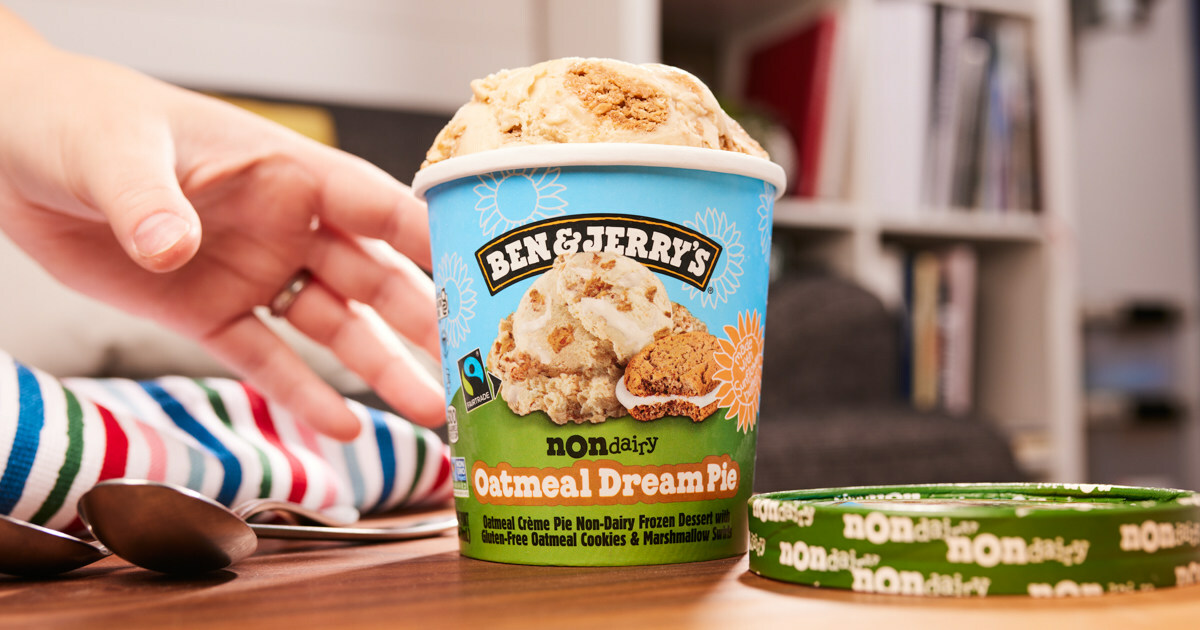
Unilever has revealed plans to separate its Ice Cream business, which includes popular brands such as Wall's, Ben & Jerry's, and Magnum, from the parent company. This strategic move is set to be completed by the end of 2025, marking a significant step in Unilever's Growth Action Plan (GAP) acceleration strategy.
Separation Announcement
According to a press release, the decision to spin off the Ice Cream segment aims to streamline Unilever's focus on a portfolio of premium brands in high-demand categories. By isolating Ice Cream, Unilever intends to leverage its innovation and marketing capabilities more effectively in other strategic areas.
Streamlined Business Structure
BBC reported that the plan following the separation is for Unilever to transition into a more straightforward organization, operating under four key Business Groups: Beauty & Wellbeing, Personal Care, Home Care, and Nutrition. These groups are designed to complement each other regarding market presence and operational functions.
The separation of the Ice Cream division aligns with Unilever's GAP objectives, emphasizing efficiency, impact, and consistent growth. Unilever aims to enhance productivity and performance across its diversified portfolio by focusing on core strengths and global scalability.
Business Optimization
The restructuring will enable Unilever to optimize its resources and concentrate on high-growth segments within the four Business Groups. This strategic alignment reinforces Unilever's market competitiveness and expands its global reach.
The separation of the Ice Cream business is expected to create a leading entity in the industry, boasting a strong presence in domestic and international markets. The new business entity is poised for substantial growth with a combined turnover of €7.9 billion in 2023.
The Ice Cream division holds a significant market share, with five of the top 10 global ice cream brands under its umbrella. Brands like Wall’s, Magnum, and Ben & Jerry’s have become consumer favorites worldwide.
Unilever's decision to separate its Ice Cream business underscores a strategic shift towards a more focused and agile operational model. This move is expected to drive enhanced performance and foster a culture of continuous improvement within the organization.
Enhanced Productivity
The separation paves the way for Unilever to enhance its productivity, simplicity, and performance culture. By streamlining operations and concentrating on core competencies, Unilever aims to achieve sustained growth and operational excellence.
Photo: PR Newswire