Venezuela's defense of a stronger oil sector at COP31 sharpened a debate over energy priorities, while island states sought faster emissions cuts and developing nations called for climate finance.
Acting President Delcy Rodriguez argued that Venezuela should be able to reinforce its energy sector and oil industry for national development, asserting a “sovereign right.” Her remarks followed calls by United Nations leaders to end reliance on fossil fuels. A new law has also created a route for local firms to contract for upstream oil operations.
Leaders from Saint Lucia, Tuvalu, the Bahamas and the Solomon Islands called for faster climate action. Rising seas leave island countries especially exposed. Saint Lucia Prime Minister Philip J. Pierre urged major emitters to turn climate commitments into actual emissions reductions. A United Nations report last month said the world was already on course for a breach of the 1.5 degrees Celsius threshold countries agreed to pursue under the 2015 Paris Agreement.
Turkey proposed that electricity make up 35% of global energy use by 2035, with its current portion slightly above one-fifth. British Prime Minister Andy Burnham backed the proposal, linking clean energy choices to supply disruptions tied to the U.S.-Israeli war with Iran and Russia's war with Ukraine. Reuters reported that Turkey had not said whether the added energy consumption would come from renewable sources.
Officials from developing countries again asked wealthier nations to help pay for energy transitions, climate adaptation and recovery after climate damage. Reuters reported that similar requests have recurred through years of U.N. climate talks. It also reported that wars and inflation have lowered climate issues among governments' political priorities.
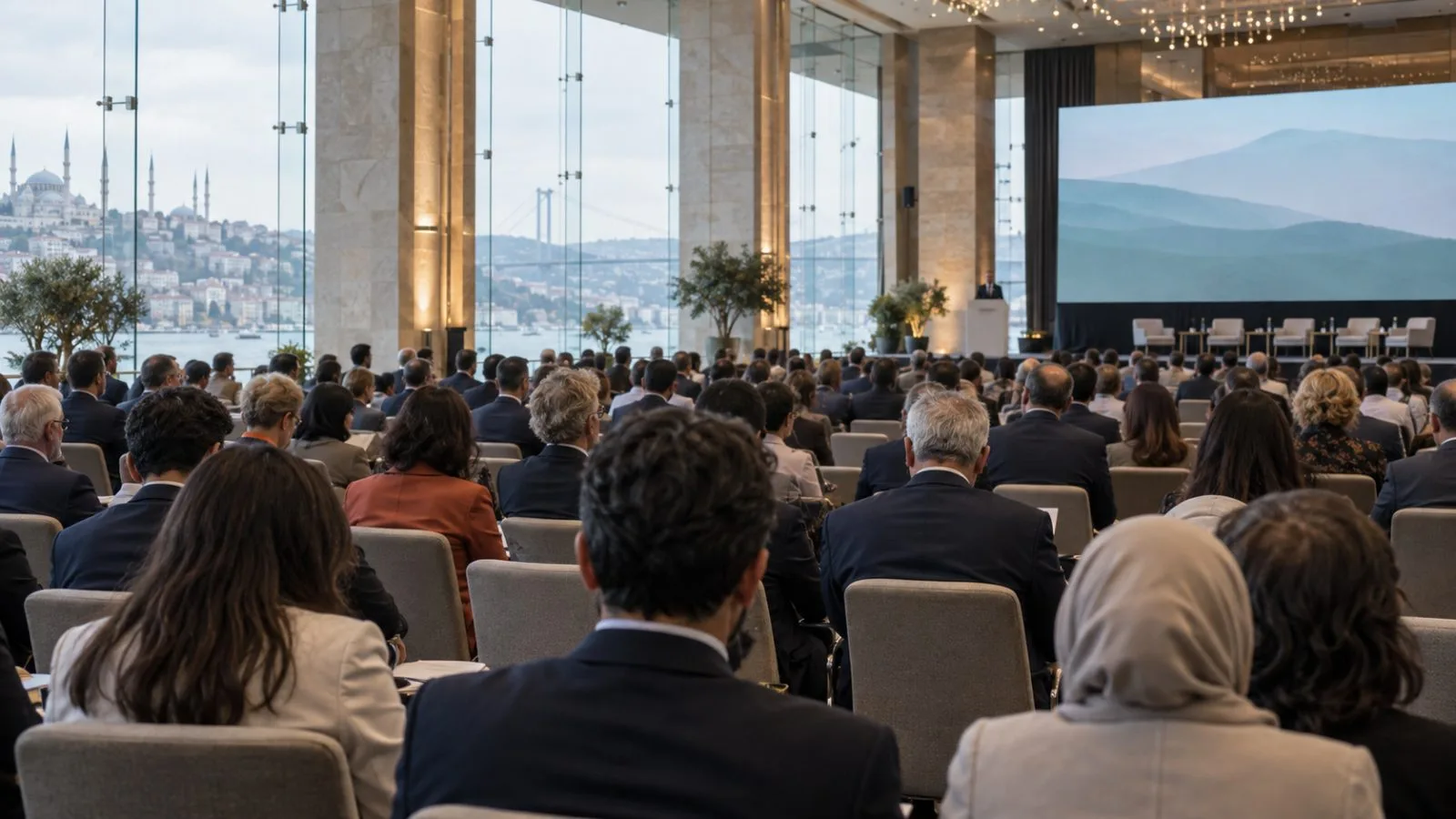
Negotiations are now taking up the competing positions. Turkey is hosting the conference, while Australia is leading the talks. Chris Bowen, Australia's COP31 president of negotiations, told Reuters further consultations with partners lay ahead.