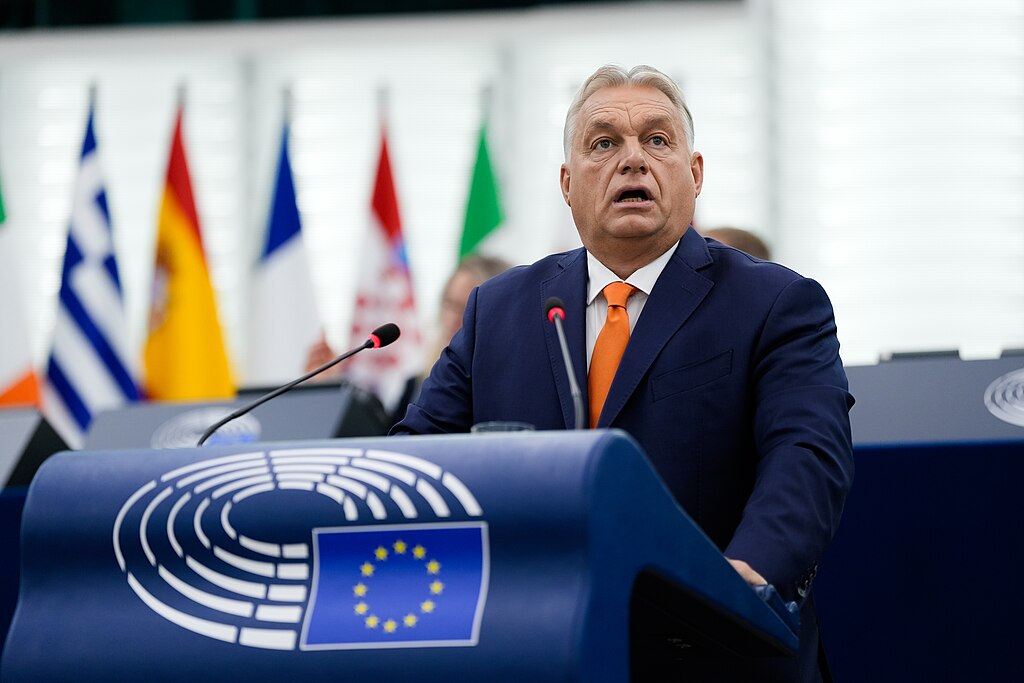
Hungary’s former Prime Minister Viktor Orban has been re-elected as leader of the opposition Fidesz party, signaling his determination to remain a key figure in Hungarian politics despite the party’s recent election setback.
At the Fidesz party congress held on Saturday, Orban secured overwhelming support from delegates, receiving 729 votes out of 737 cast. The 62-year-old nationalist leader ran unopposed and will continue to head the party for another year following its loss of power in Hungary’s April 12 parliamentary election.
The election marked a significant political shift, with Prime Minister Peter Magyar’s centre-right Tisza party winning a two-thirds parliamentary majority. The result gave Tisza enough legislative power to reverse constitutional changes introduced during Orban’s long tenure in office.
Orban, who has led Hungary’s political landscape for much of the past decade and a half, acknowledged responsibility for Fidesz’s defeat. Addressing party members before the vote, he emphasized his commitment to rebuilding the party and returning it to government in the future.
“I do not give up,” Orban told delegates, stressing that Fidesz must adapt to its new role as an opposition force. He described the party as a successful governing organization over the past 16 years but said reforms would be necessary to make it an effective opposition movement capable of regaining voter confidence.
The re-election comes amid growing questions about Orban’s political future. Following Fidesz’s loss, some former allies and long-time supporters publicly urged him to step aside, marking one of the rare instances of open criticism since he returned to power in 2010.
Recent opinion polls suggest the challenge facing Fidesz remains significant. A survey conducted by the Publicus Institute in May showed support for the Tisza party rising to 55%, up from the 53% it received in the election. Meanwhile, support for Fidesz dropped sharply to 17%, compared with 39% during the election campaign.
Despite declining popularity, Orban’s re-election demonstrates that he still retains strong backing within Fidesz as the party prepares for its next chapter in opposition politics.