West Texas Intermediate futures fell 0.9% to $84.99 a barrel late Monday, as the International Energy Agency’s outlook pointed to renewed oversupply that could shape crude costs for U.S. refiners.
Reuters reported the 73-cent decline at 11:30 p.m. ET Monday (04:30 UTC Tuesday). The IEA forecast the global oil market would return to surplus in the fourth quarter of 2026, with a larger supply build in 2027.
The agency’s October balance showed supply exceeding demand for the first time since the Iran war began, as Gulf exports recovered faster than consumption. Global supply increased by 2.3 million barrels per day to 105.4 million barrels per day. Exports from the Gulf, excluding Oman, reached 18.4 million barrels per day, but were still 26% below prewar levels. The figures extend the IEA’s earlier account of October’s shift to an oil supply surplus.
The IEA projected that global oil demand would drop by 2.7 million barrels per day in 2026, to 102.3 million barrels per day. It said high fuel prices were weighing on consumption and encouraging electrification and greater fuel efficiency. U.S. refiners benefited from cheaper crude, the agency said, while lower gasoline prices reduced their profits. Record freight costs affected Asian refiners.
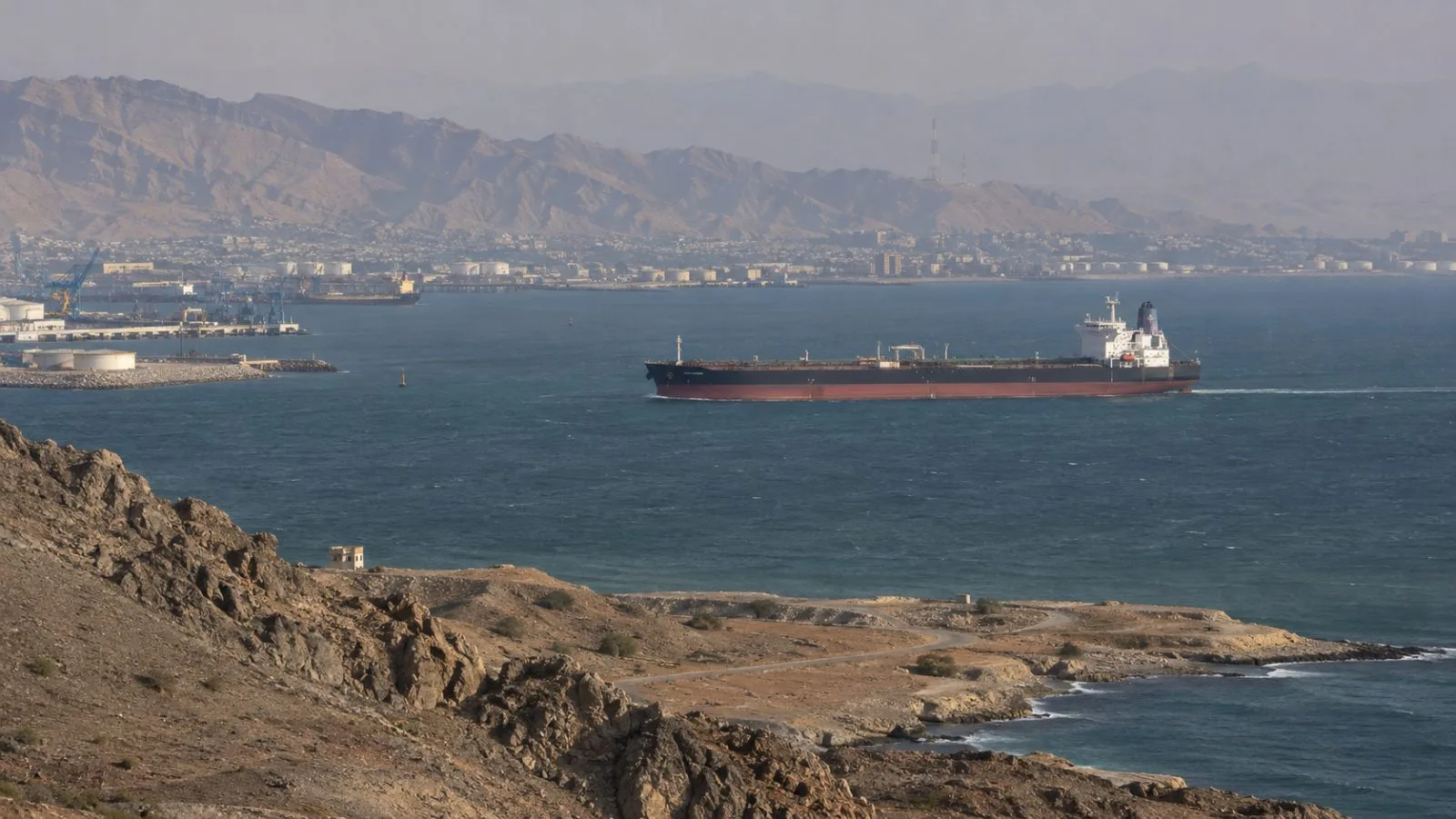
Shipping risks were also in focus. The United Kingdom Maritime Trade Operations (UKMTO) said a tanker company security officer reported an outbound vessel was struck by an unknown projectile in the Strait of Hormuz at 12:58 a.m. ET Monday (05:58 UTC), causing an engine-room fire; no casualties were reported. At 2 p.m. ET (19:00 UTC), a third party reported an attack that disabled a tanker seven nautical miles north of Khasab, Oman. The vessel’s crew were reported safe, and UKMTO said damage and environmental effects were unknown in both incidents.
The American Petroleum Institute’s schedule lists its weekly statistical bulletin for Tuesday, Nov. 17, with releases generally set for around 4:30 p.m. ET.